-


Source and credit: @zqlee
Looking for art inspiration ideas? You’re in the right place. In this post, we’ll be exploring some of the most amazing architecture the world has to offer. From the wildly experimental Soviet bus stops to the bold plans of the Hundertwasserhaus in Vienna, there’s something for everyone here.The world is full of art inspiration if you know where to look. We’ve curated some of our favorite examples below to help you develop your own practice. Remember, amazing things happen when you dare to dream!
Soviet Bus Stops – Christopher Herwig Photos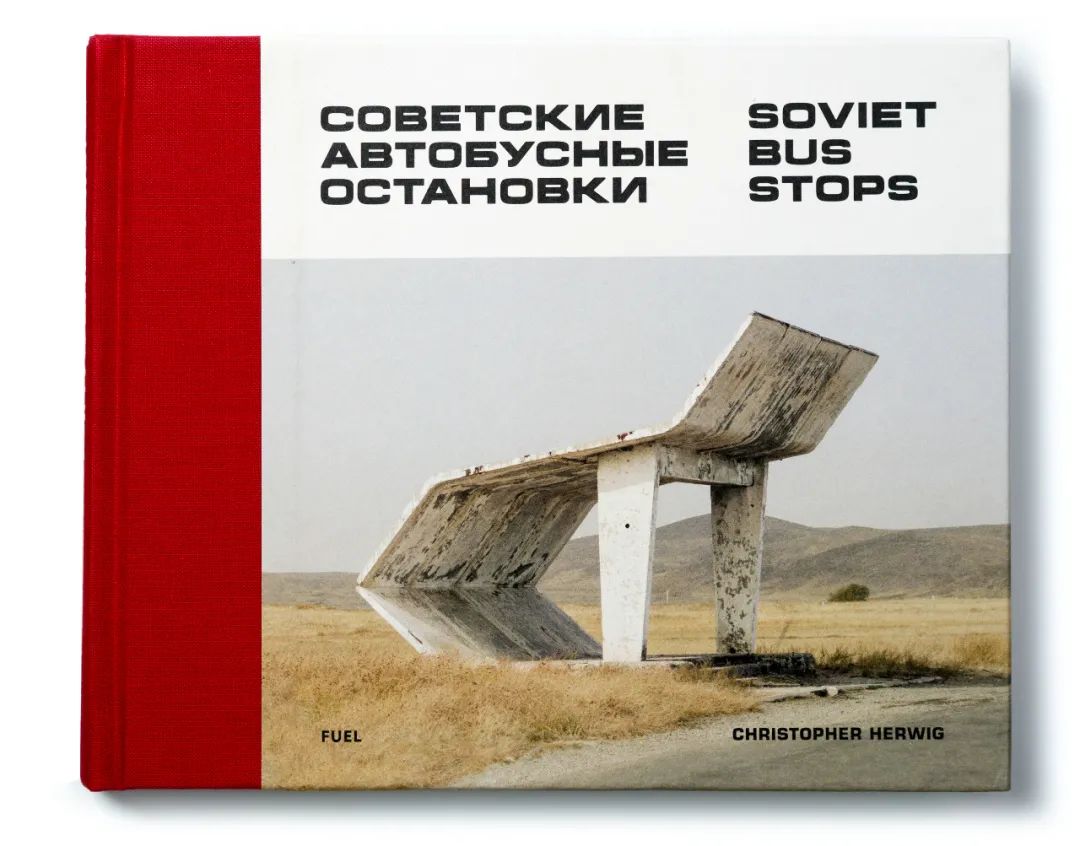
Source and credit: herwigphoto
Conjure an image of Soviet-era architecture in your mind. Chances are you pictured foreboding slabs of concrete as far as the eye can see. Thanks to the work of photographer Christopher Herwig, we can safely say that this image is far from accurate.
Herwig traveled across former Soviet territories, capturing the wildly inventive bus stops that were installed by the communist regime. These structures are a testament to creativity, architectural innovation, and flair for the sake of flair.
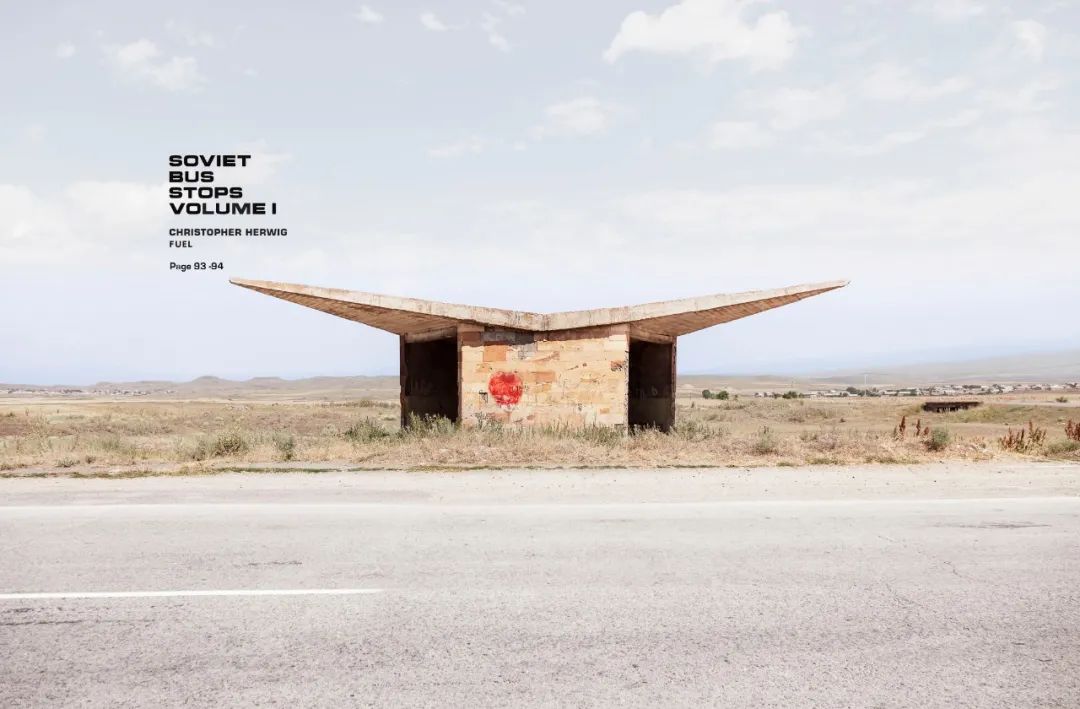
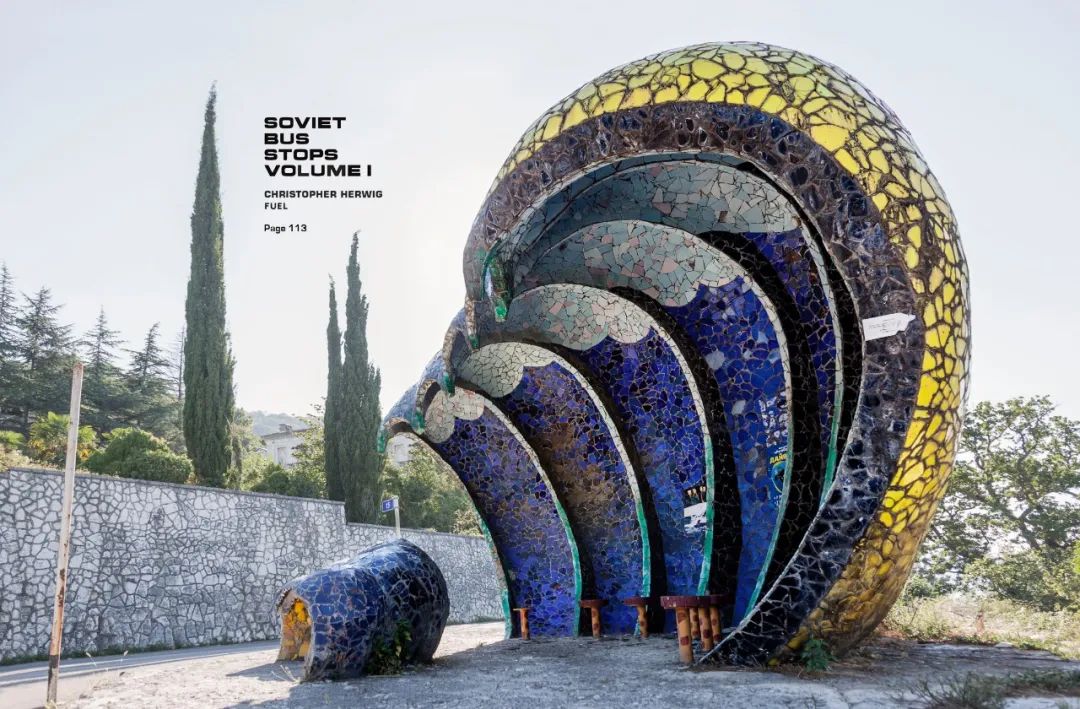
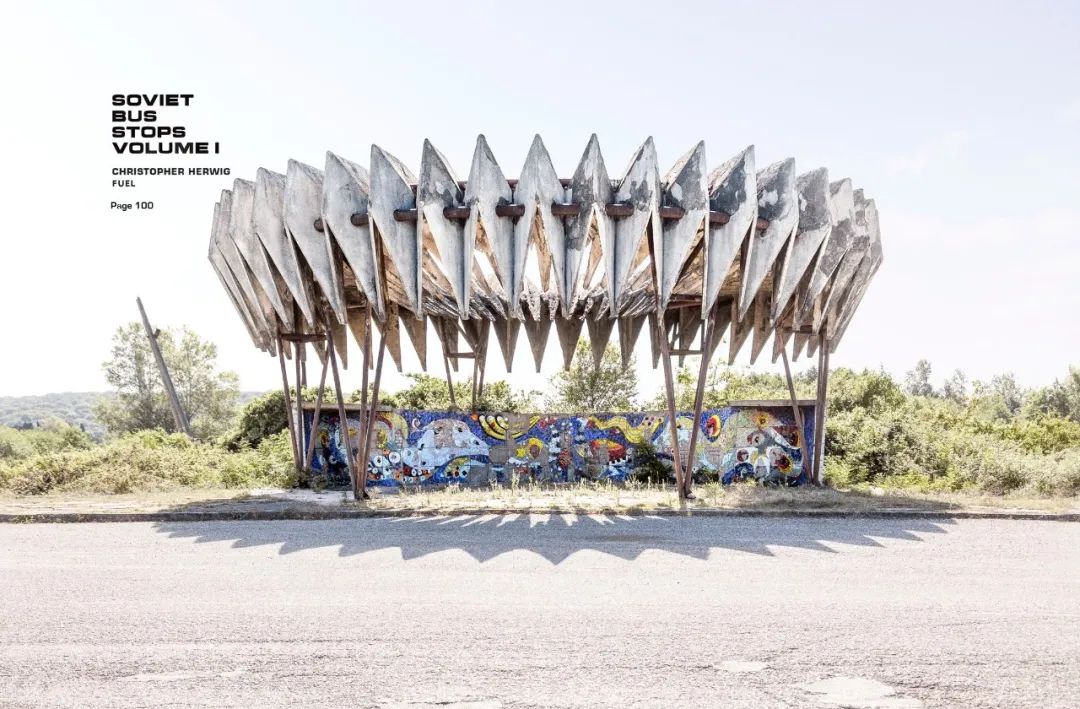
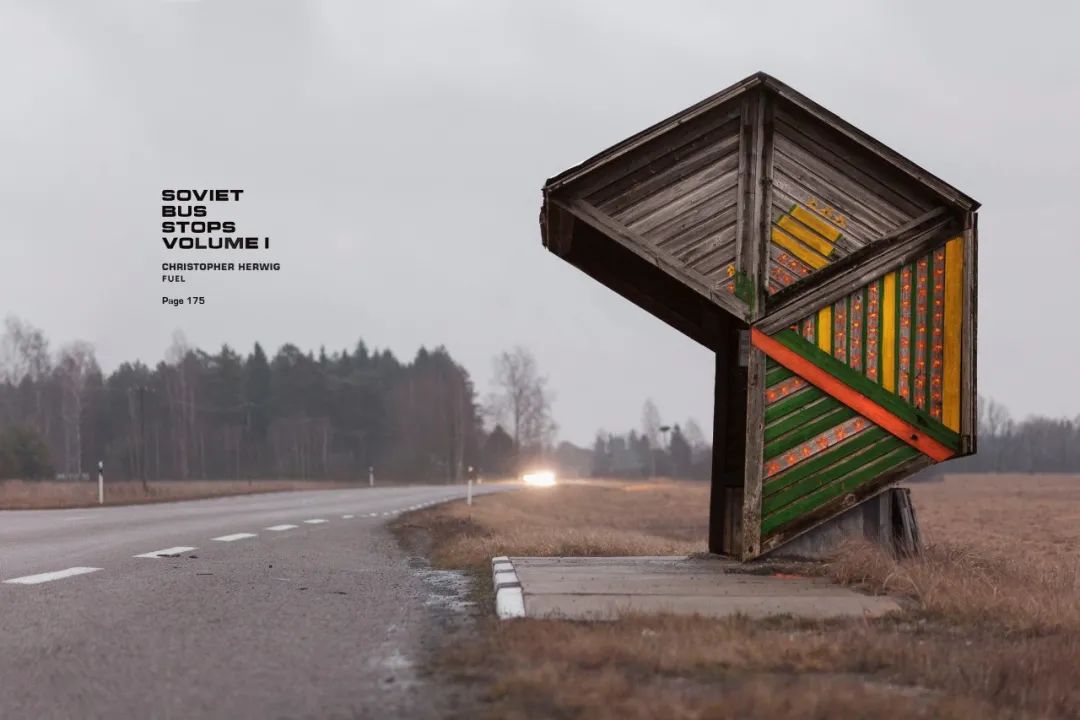

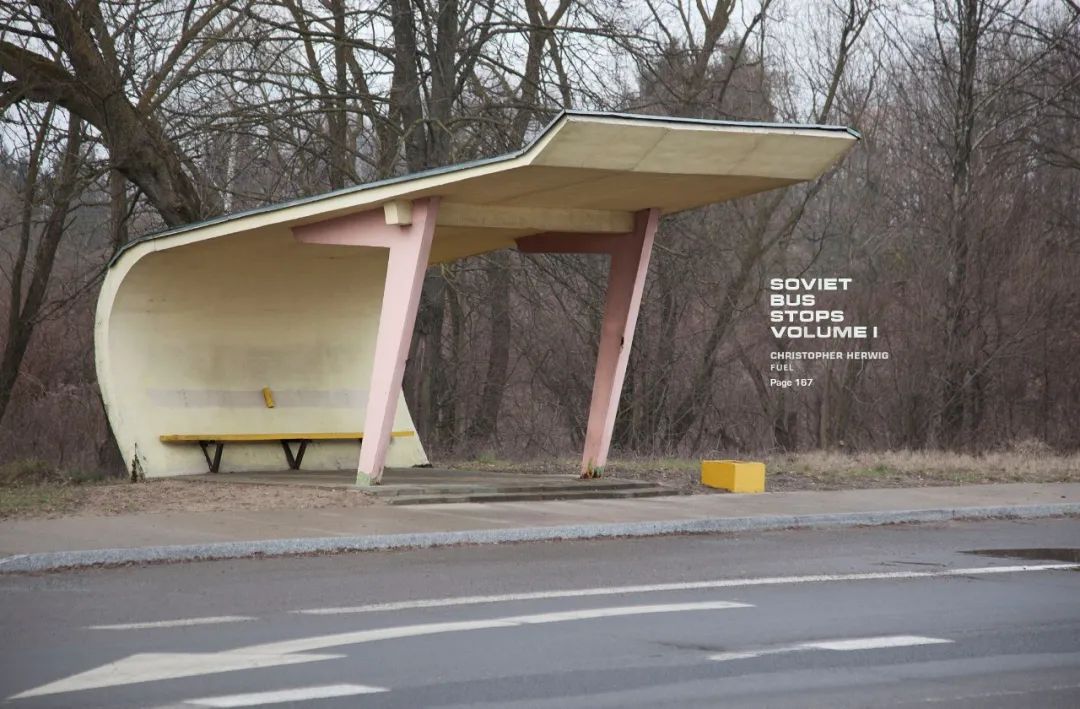
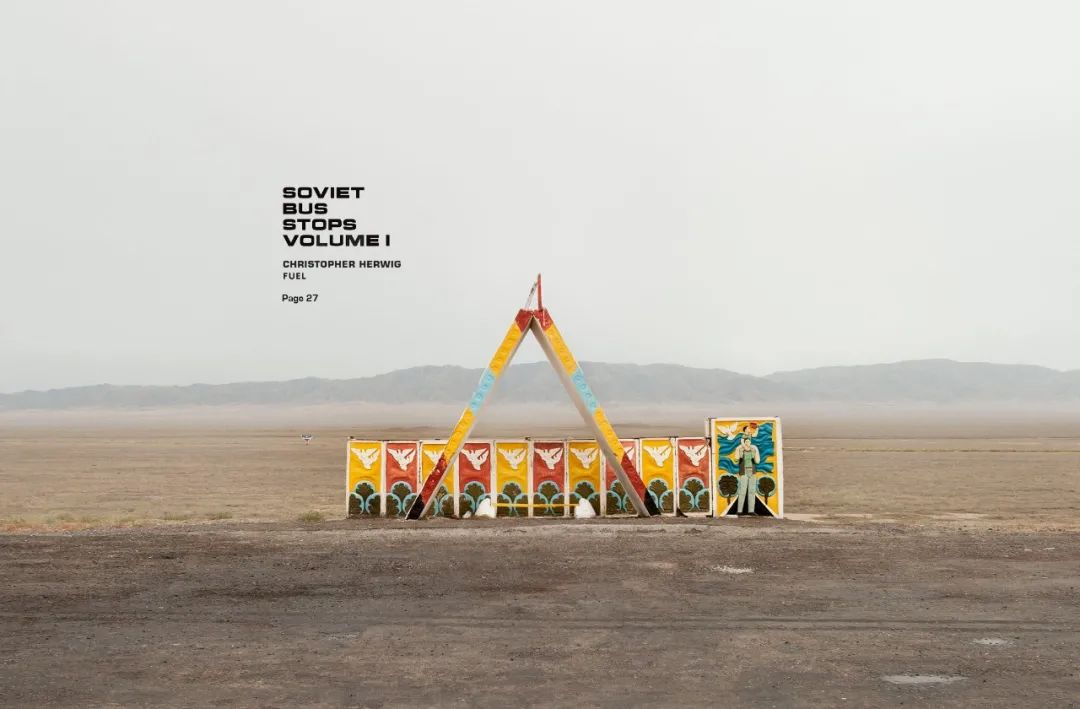
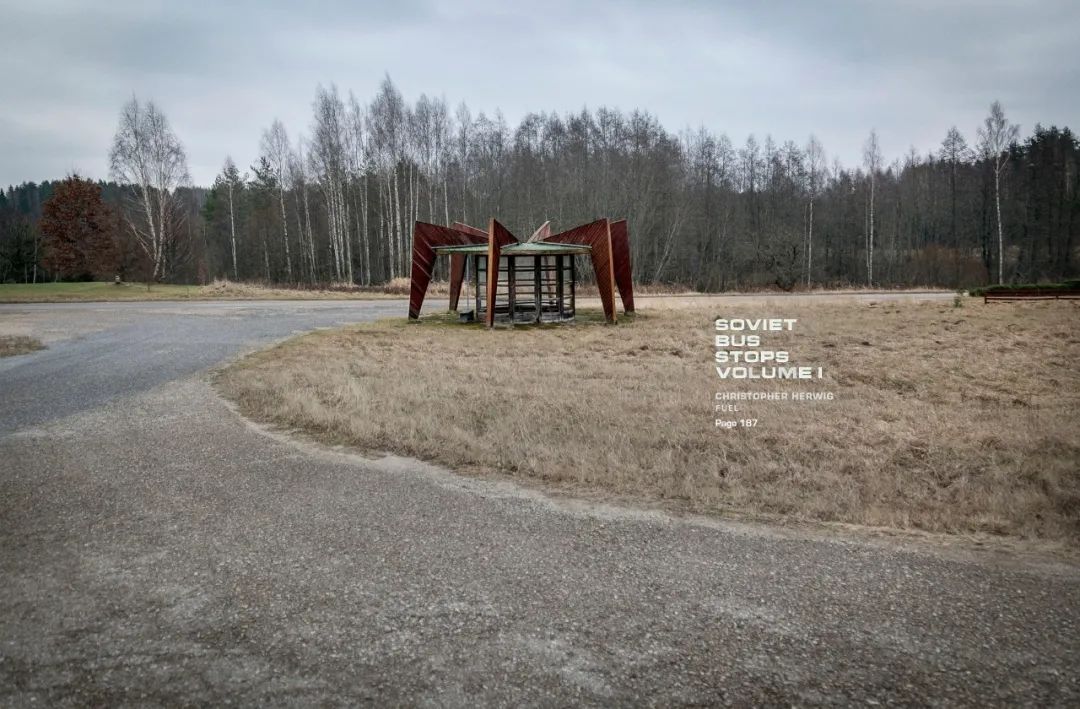
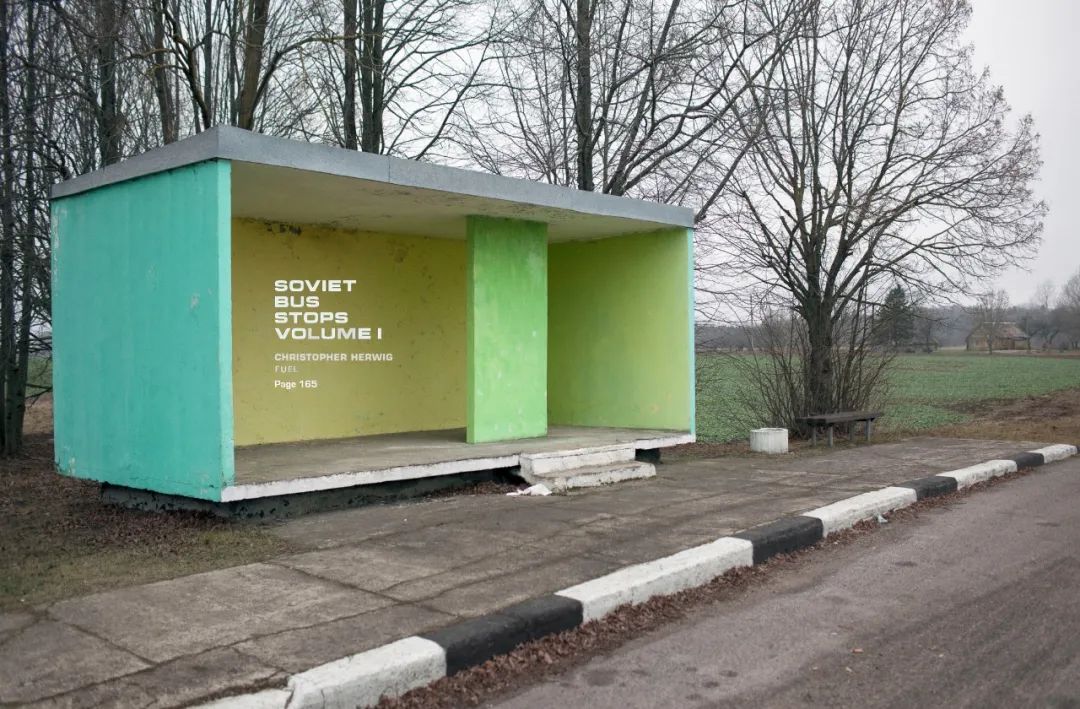
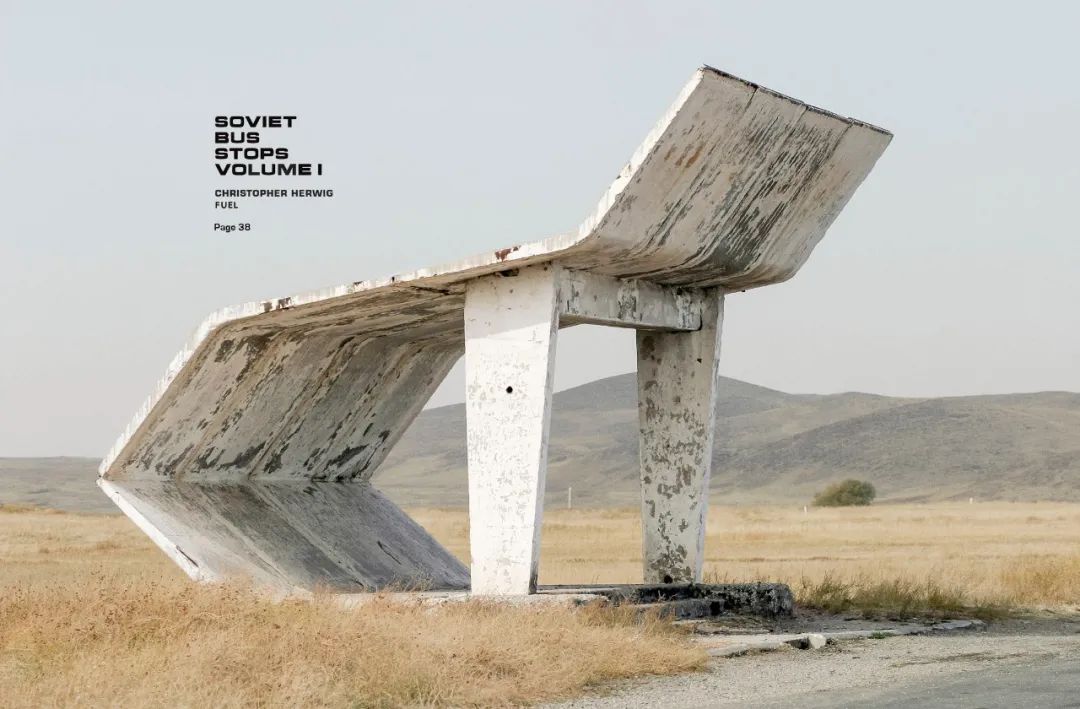
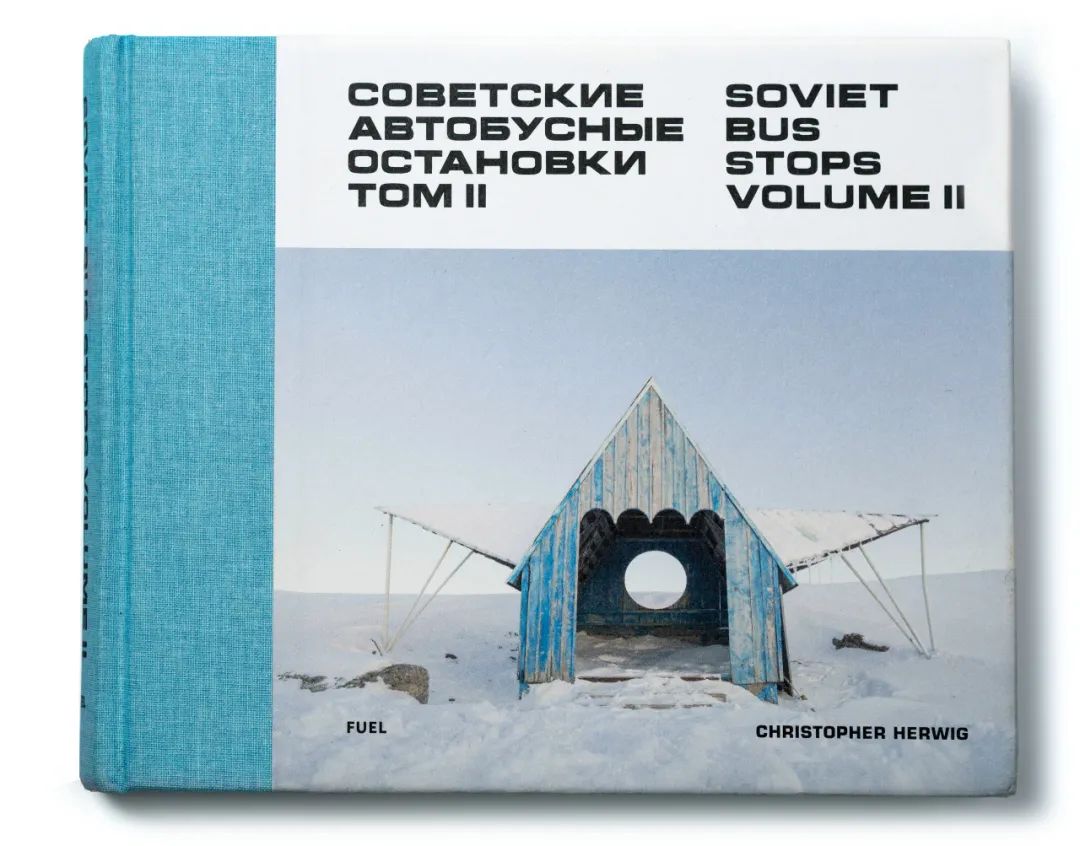




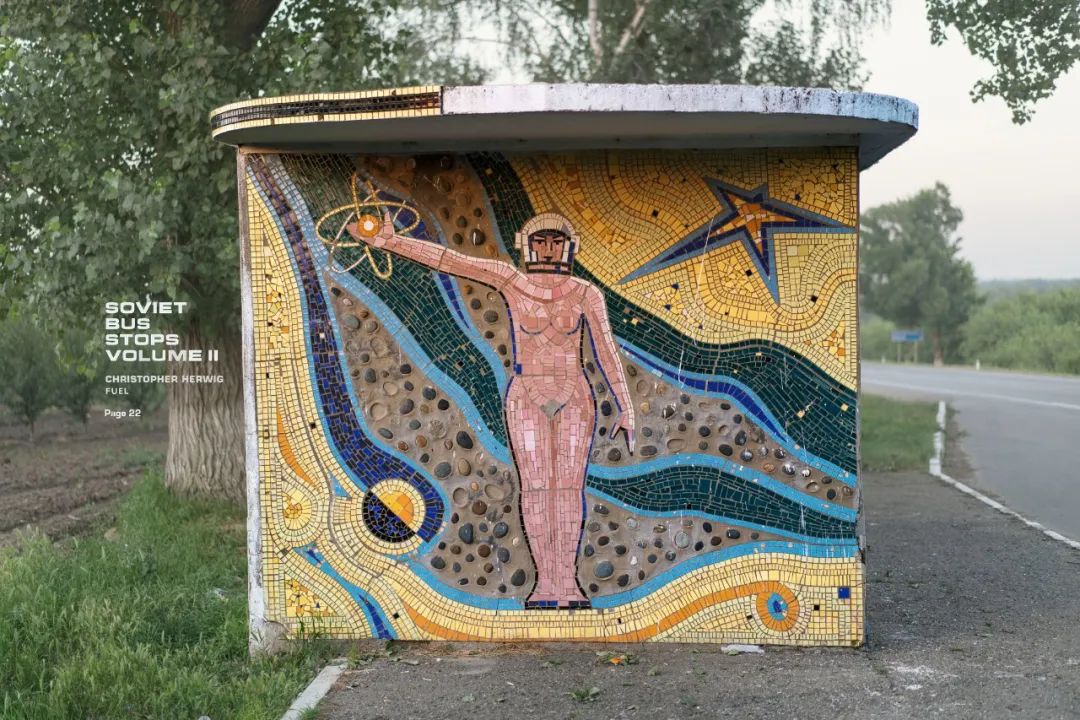
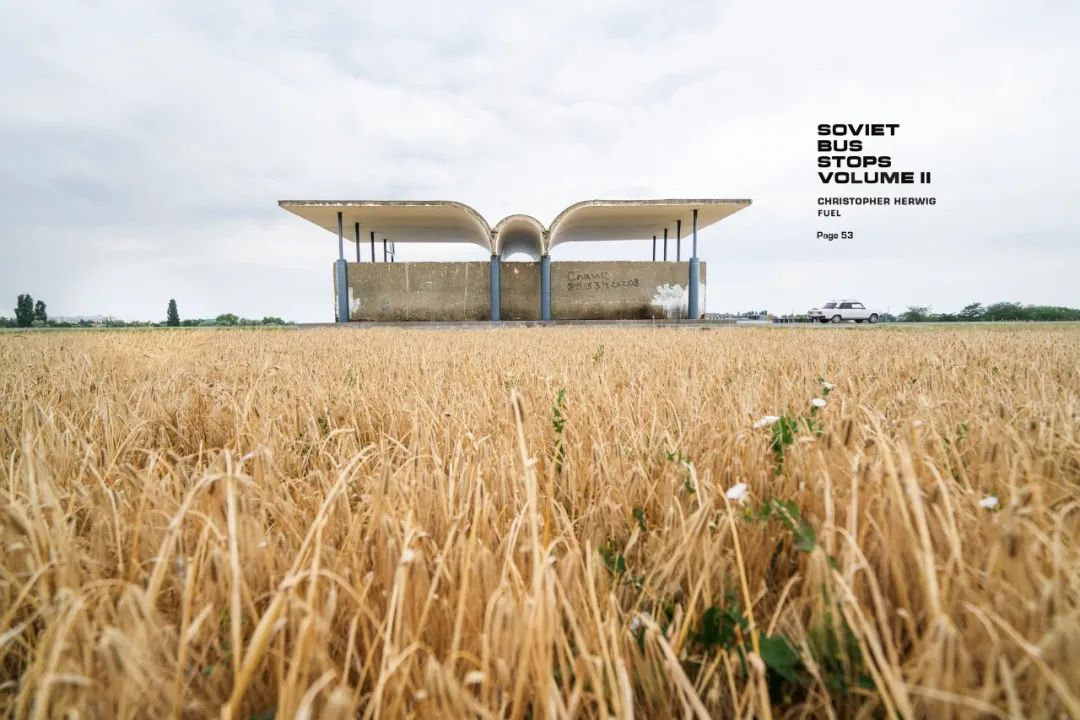
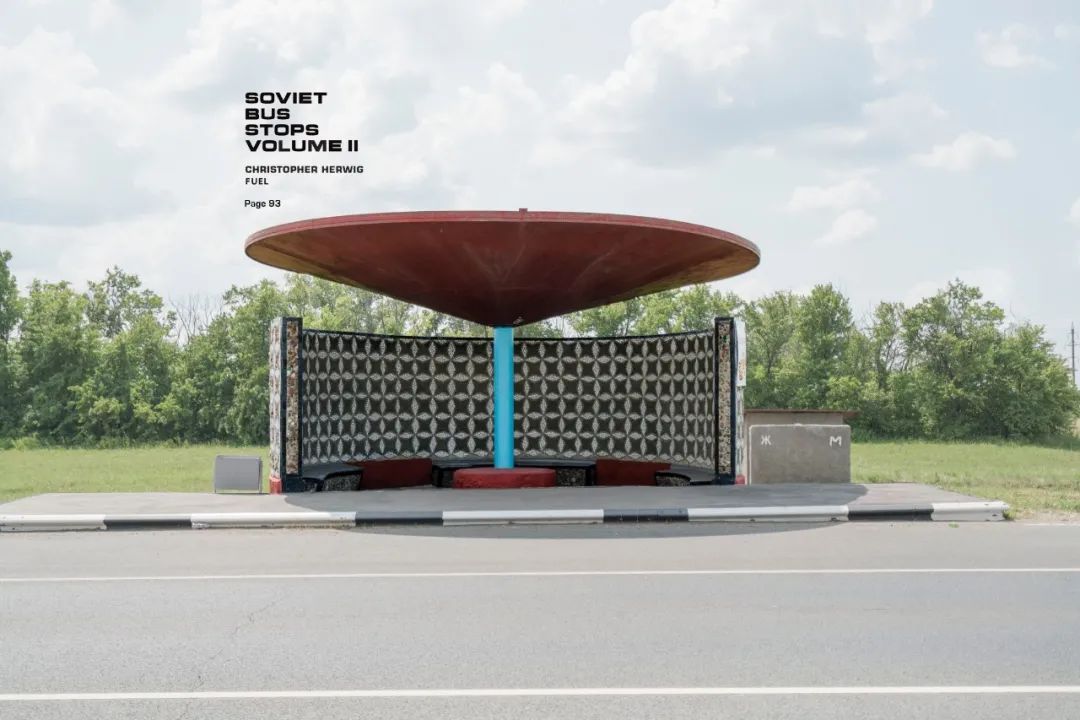

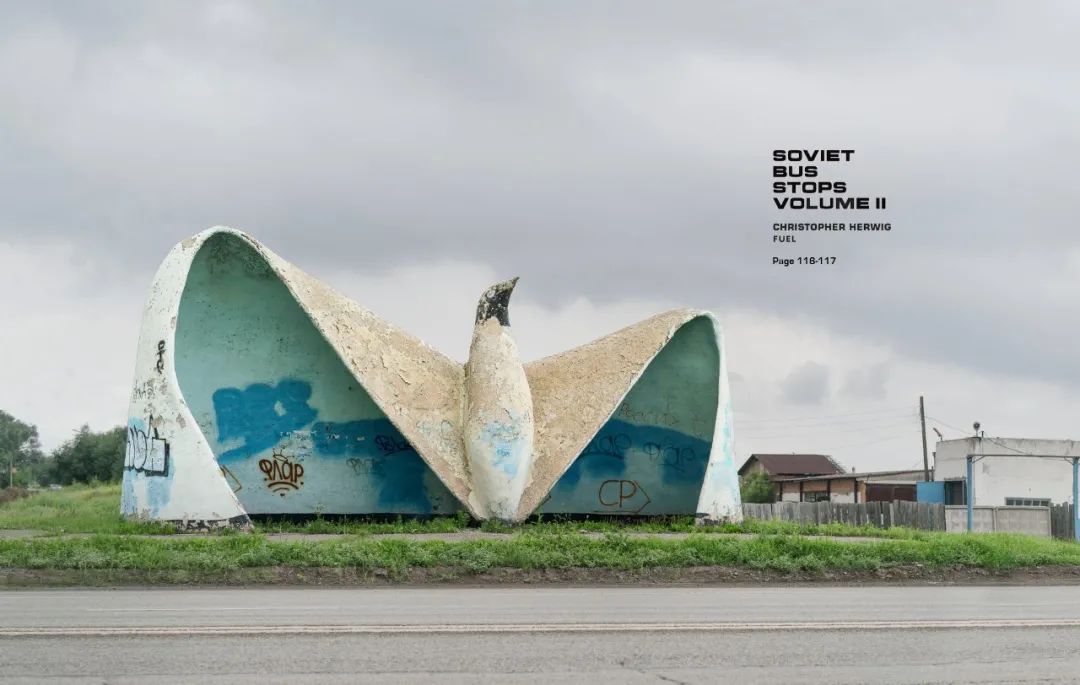
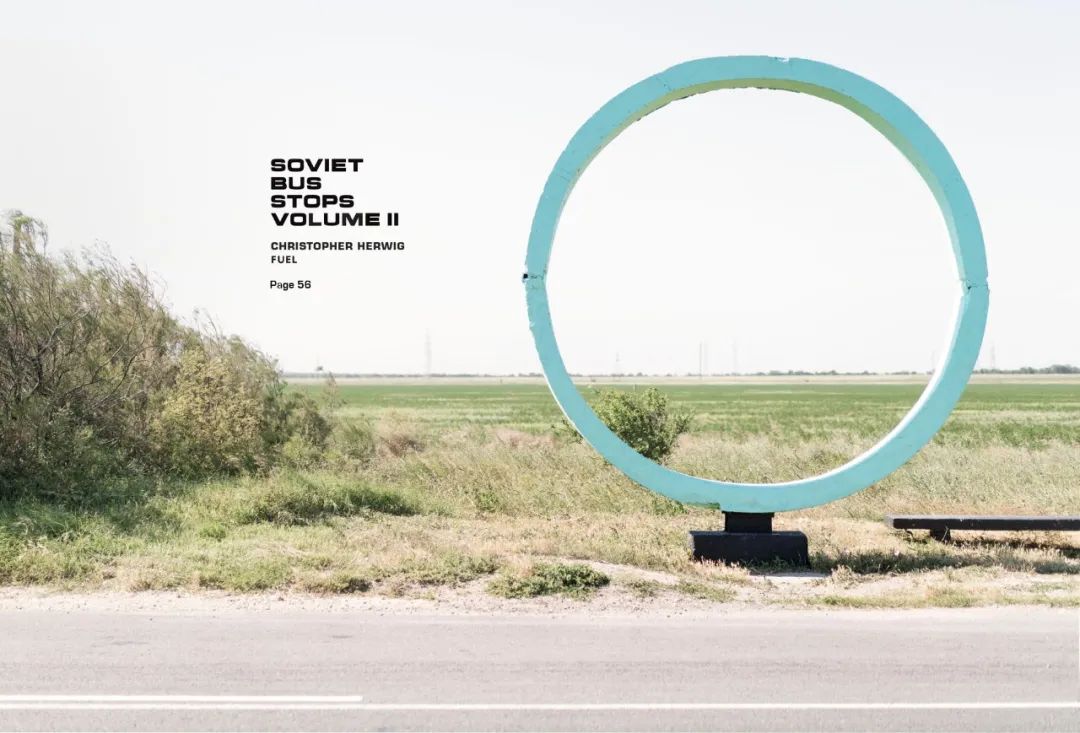
The Barbican Centre London
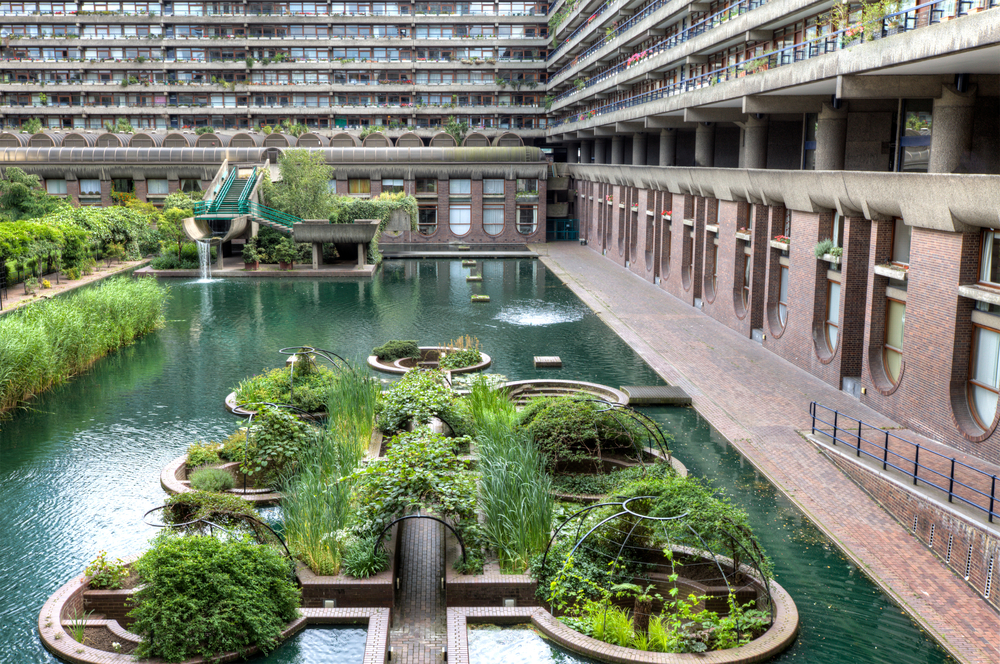
Source and credit: montcalmroyallondoncity
The ever-controversial Brutalist style of architecture had reached its peak of popularity in 1980s Britain. During this time, a remarkable location, The Barbican Centre, was first dreamt up by Peter Chamberlin, Geoffry Powell, and Christoph Bon.
The center was first designed as a council estate for the wealthier middle classes at the time. Clandestine layouts, towering structures, and discombobulating walkways were employed to create a space that was a safe haven for residents and a confusing mystery to strangers.
Everything from medical facilities to libraries to grocery stores to recreational buildings was all housed inside the center. Residents never had to leave their tiny pocket of London! Today, the Barbican is home to a world-renowned arts and theatre space with a few bustling restaurants and residential flats thrown in for good measure.
Hundertwasserhaus Vienna
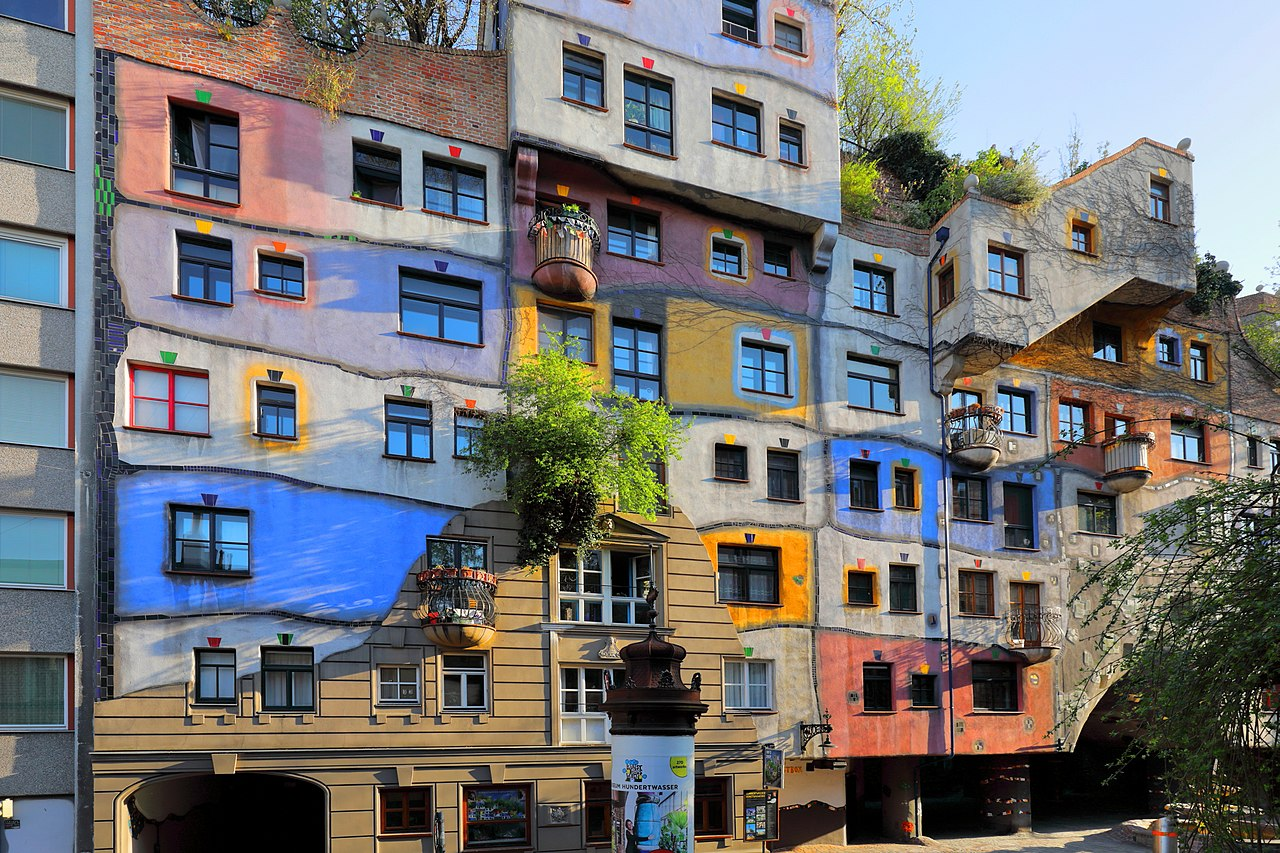
Source: © Bwag/Commons on Wikipedia
Friedensreich Hundertwasser began his artistic career as a painter in the 1950s. His eye for ‘natural forms of decay’ soon led him to develop a unique approach to residential architecture. Hundertwasser envisioned residential homes that worked in harmony with nature rather than disrupting it.To this end, he designed blocks of residential housing in Vienna that employed several unique features to help them integrate more smoothly with the local ecosystem. For example, space and encouragement were made for residents to decorate their balconies with local plant life.
Sagrada Família
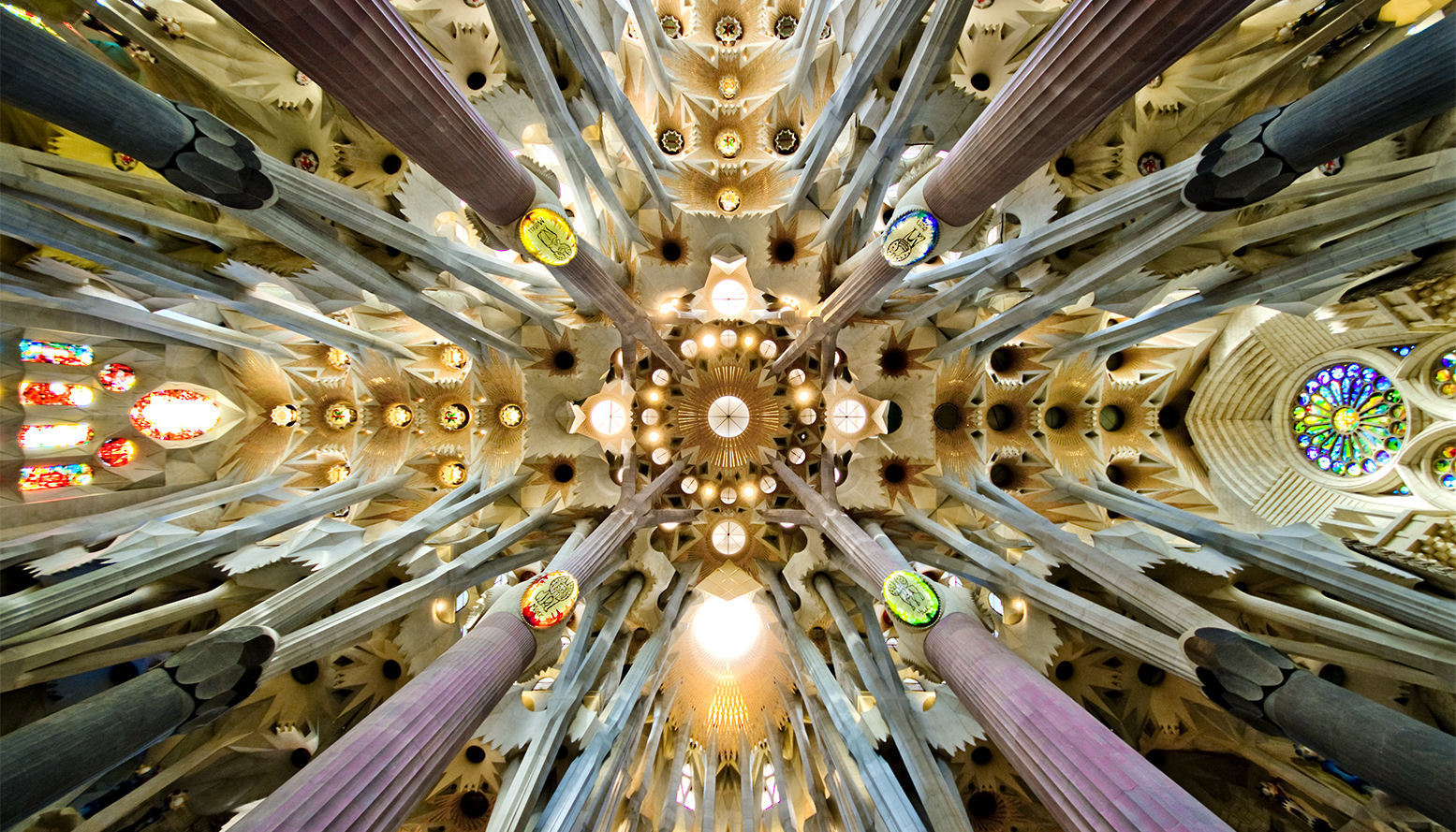
Credit and source: From SBA73 on Wikipedia
This is an architectural project so monumental that it’s still in progress. Since 1882, this remarkable building has been under construction in Barcelona. The architect Antoni Gaudí was responsible for the project’s fusion of gothic revival, art nouveau, and modernist styles.
From spectacular sprawling spires to breathtaking stained glass windows, this building is well worth a visit and has truly earned its classification as a UNESCO World Heritage Site. When it comes to art inspiration ideas, it doesn’t get much better than this!
Gants Hill East London
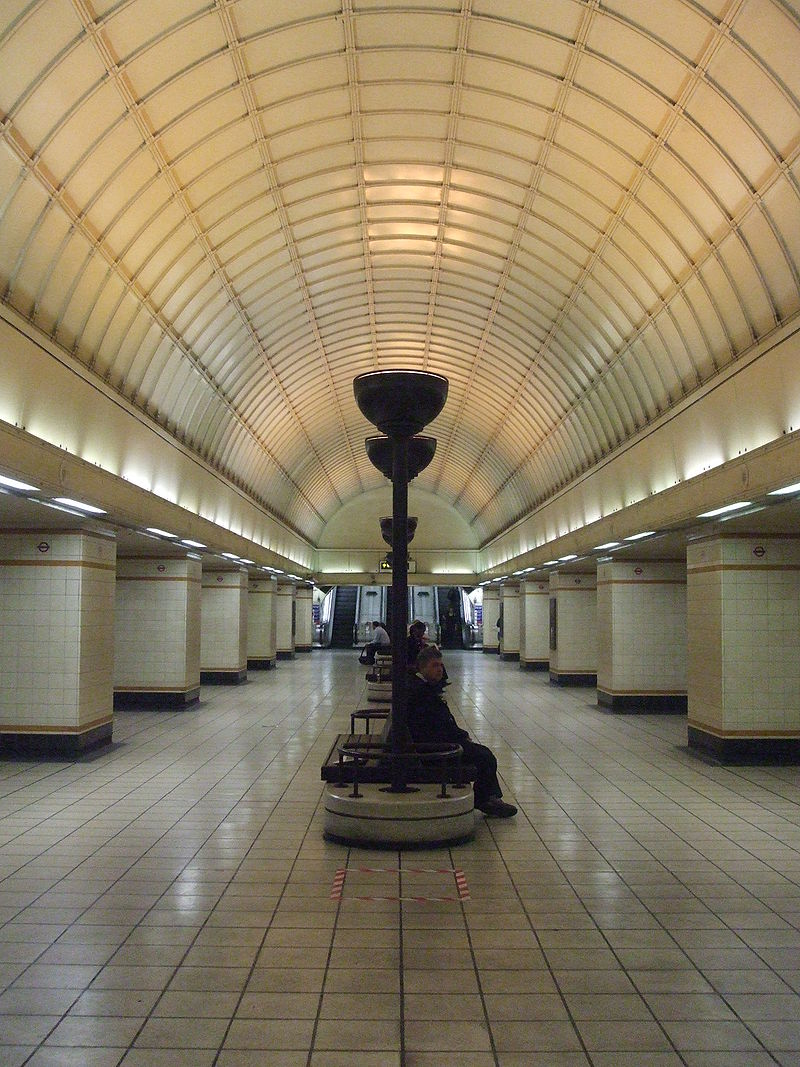
Source: Sunil060902 on Wikipedia
The architecture of Moscow’s metro system is known around the world for its artistic flair and opulence, but did you know that a tube station in East London feels like it was lifted straight out of the Russian capital?
When plans for Moscow’s metro system were first underway, several prominent figures from the London Underground were asked for advice and design ideas. These British engineers brought a flavor of these plans home with them. The result? The striking design of Gants Hill tube station in East London!
SOA Arts – Your Art Inspiration Generator!
Still hungry for ideas? Use us as your art inspiration generator! We’ve got more than a decade’s worth of experience in producing, curating, and commissioning incredible artwork for your business or collection.Get in touch today and we’ll be happy to help!
-End-
-
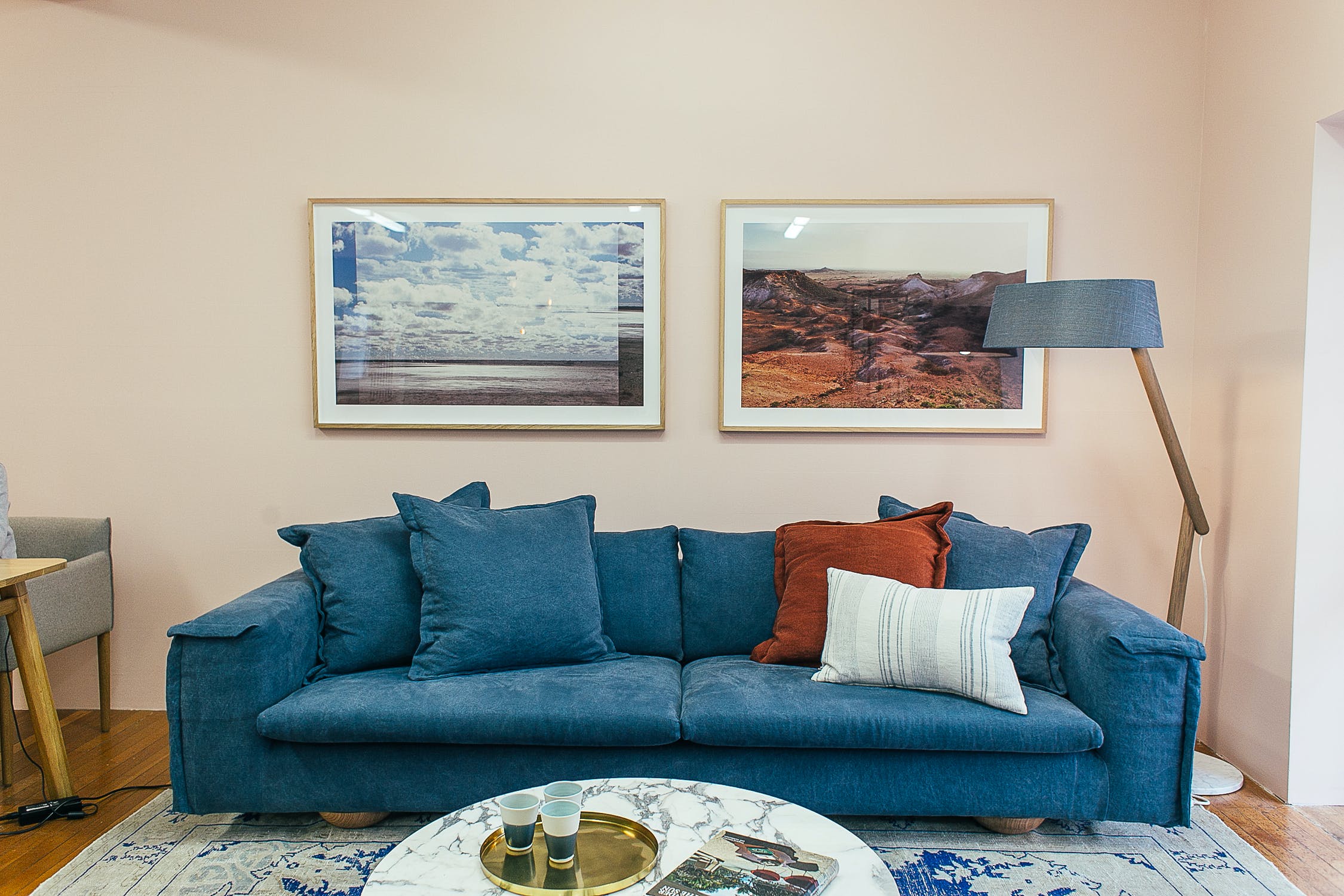
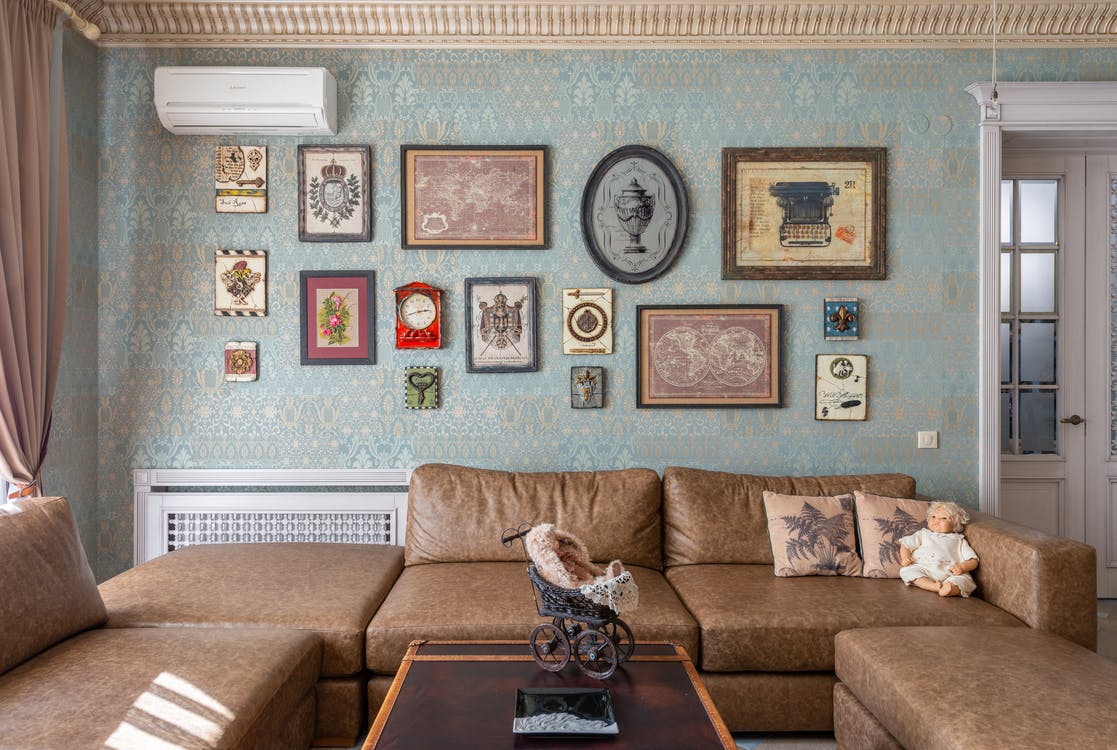
Interior design for the home can feel intimidating if you’re a newcomer to the topic. However, with a little knowledge applied in the right areas, it can be far more accessible than many people expect. On this page, we’ll be exploring a few simple tips to help you elevate the spaces you call home.
A beautiful home doesn’t have to be reserved for people with lots of money. With our in-home interior design advice, you’ll be living in paradise before you know it! Let’s jump into it.
In-Home Interior Design Ideas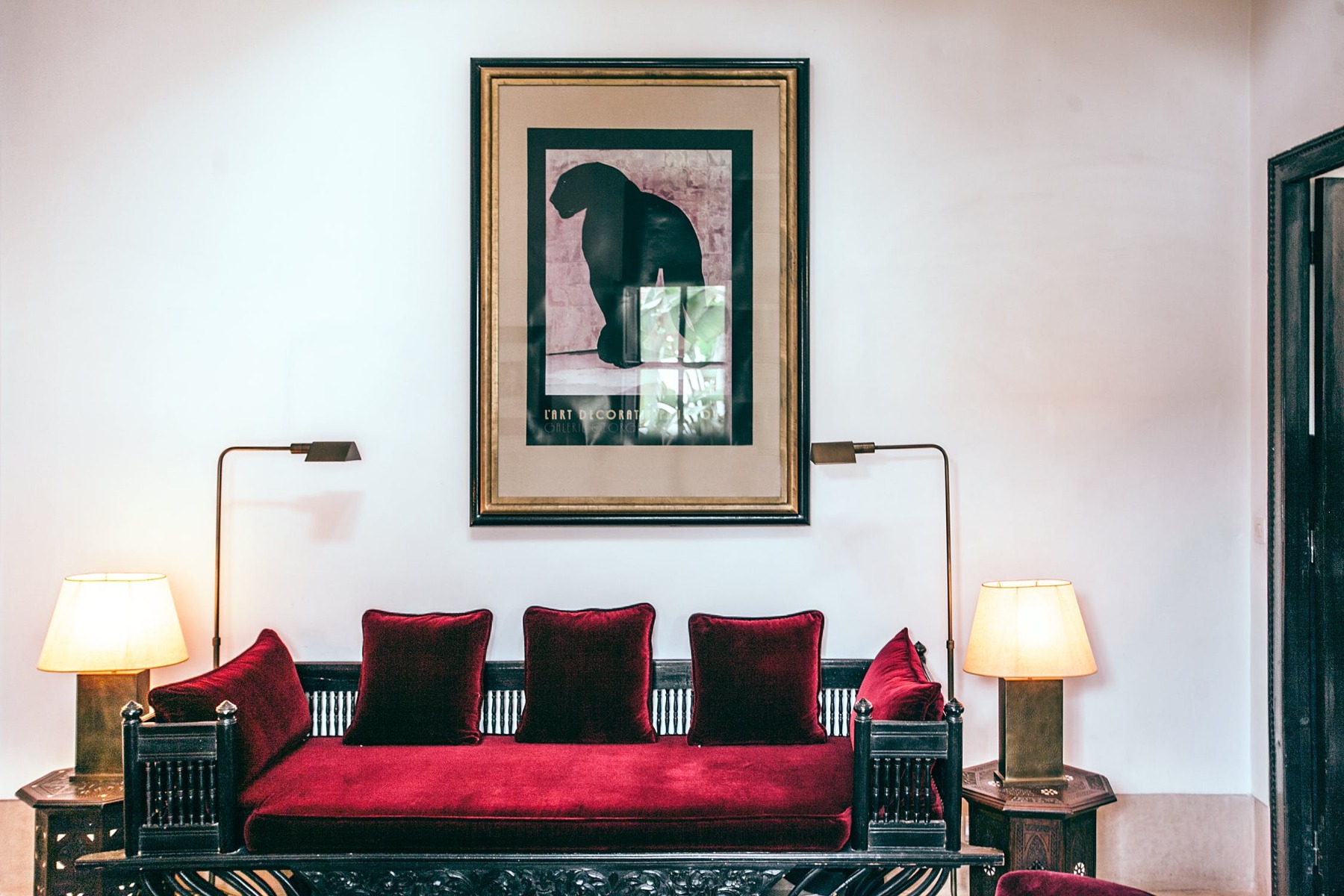
The list below contains some in-style interior design ideas that will work perfectly for 2022 and beyond. Browse these suggestions at your leisure and pick the ideas that work best for your home.Tip 1 – Use Wallpaper Creatively
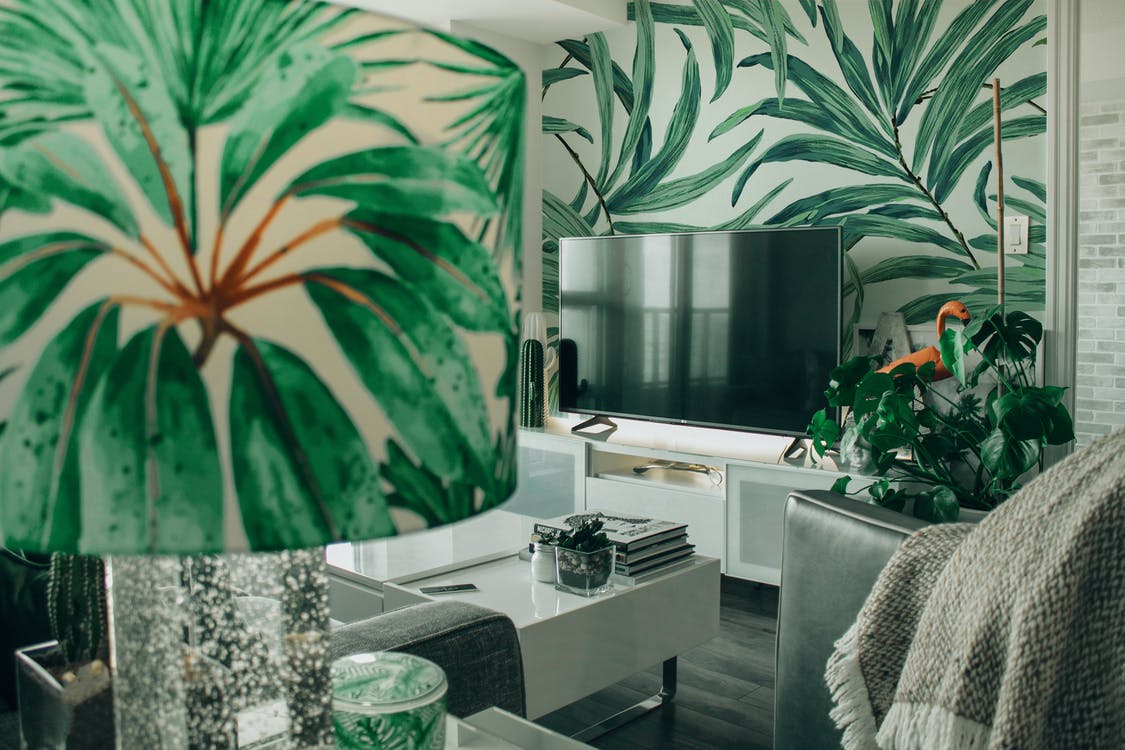
Most people know how effective some well-placed wallpaper can be, but it’s possible to take things one step further. Peel and stick wallpaper can be bought relatively inexpensively and is very easy to use.Why not try applying your favorite patterns to your fridge or other appliances at home. This can add the perfect flair to an otherwise average space. The great thing about this tip is that it’s super easy to reverse.
This kind of wallpaper can be removed if you change your mind.
Tip 2 – Test Paints Before You Buy

Interior design for the home can be endlessly rewarding, but it comes first to get things right. Want our advice? Always test your new paints before you ‘pull the trigger’. The last thing you want is to paint an entire room only to find that things don’t look quite right.
Choose either an indiscrete part of your wall or some scrap wood material to test your paints. Be sure to see how the dried paints look in different lighting conditions. The amount of sun and artificial light in a room can significantly change the way that certain colors are perceived.
Tip 3 – Mirrors Can Open a Space Considerably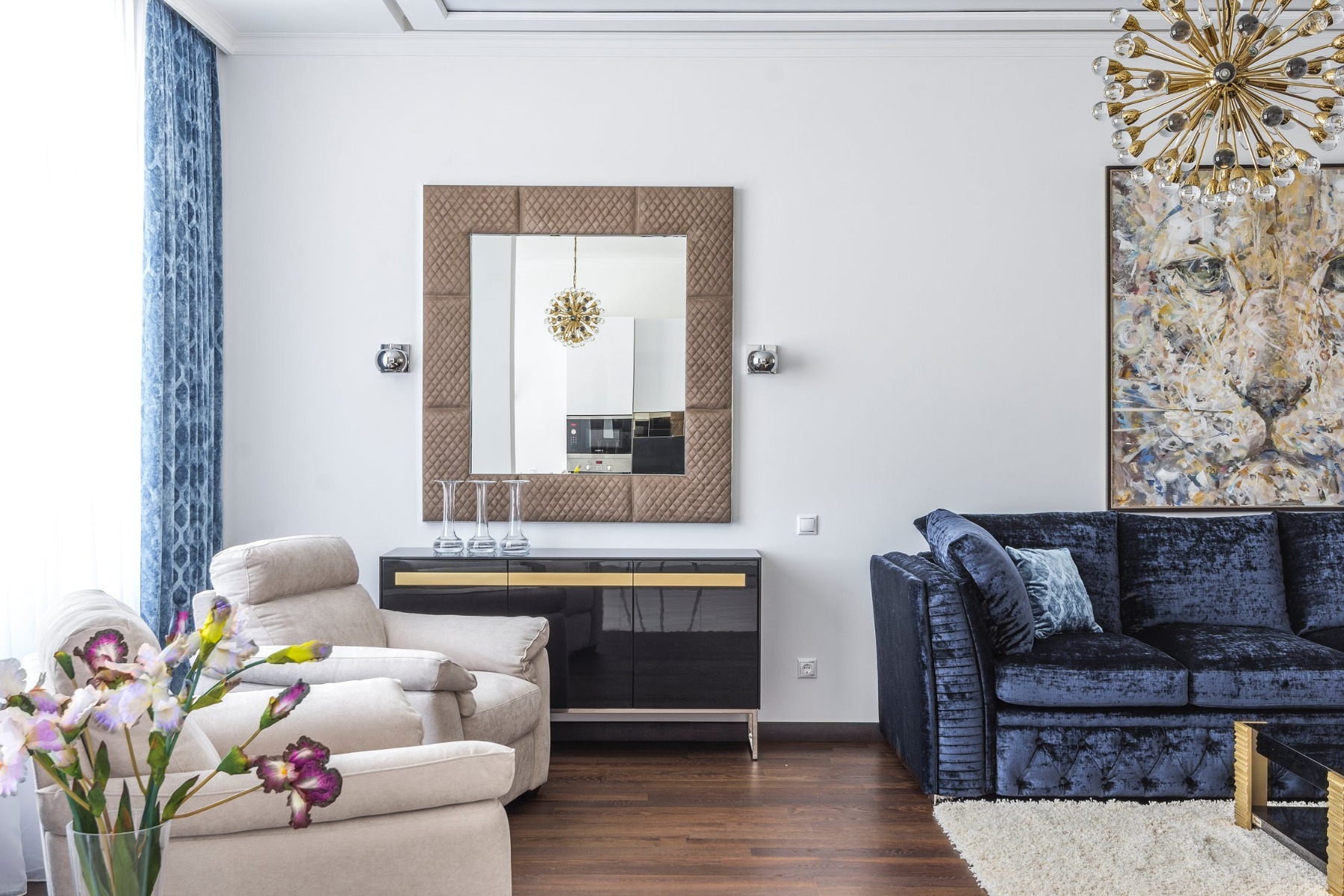
Working with a limited amount of space? It’s probably worth using mirrors creatively in some of your rooms. A well-placed pair of mirrors can dramatically transform the look of a room. It can expand and open a space far more than you might expect.Be sure to place your mirrors in areas where they’ll be easy to clean; a dirty mirror will not be suitable for your in-home interior design!
Tip 4 – Think of All 5 Senses

A lot of interior design relies on the visual aspects of a room. In many ways, this makes perfect sense – especially when you’re preparing a room for photographs.That said, it can pay dividends to consider the other senses when working. What enticing scents, textures, and sounds can you incorporate into your design? Striking textured woods? A soothing wind chime? It’s up to you!
Tip 5 – Design for You and You Alone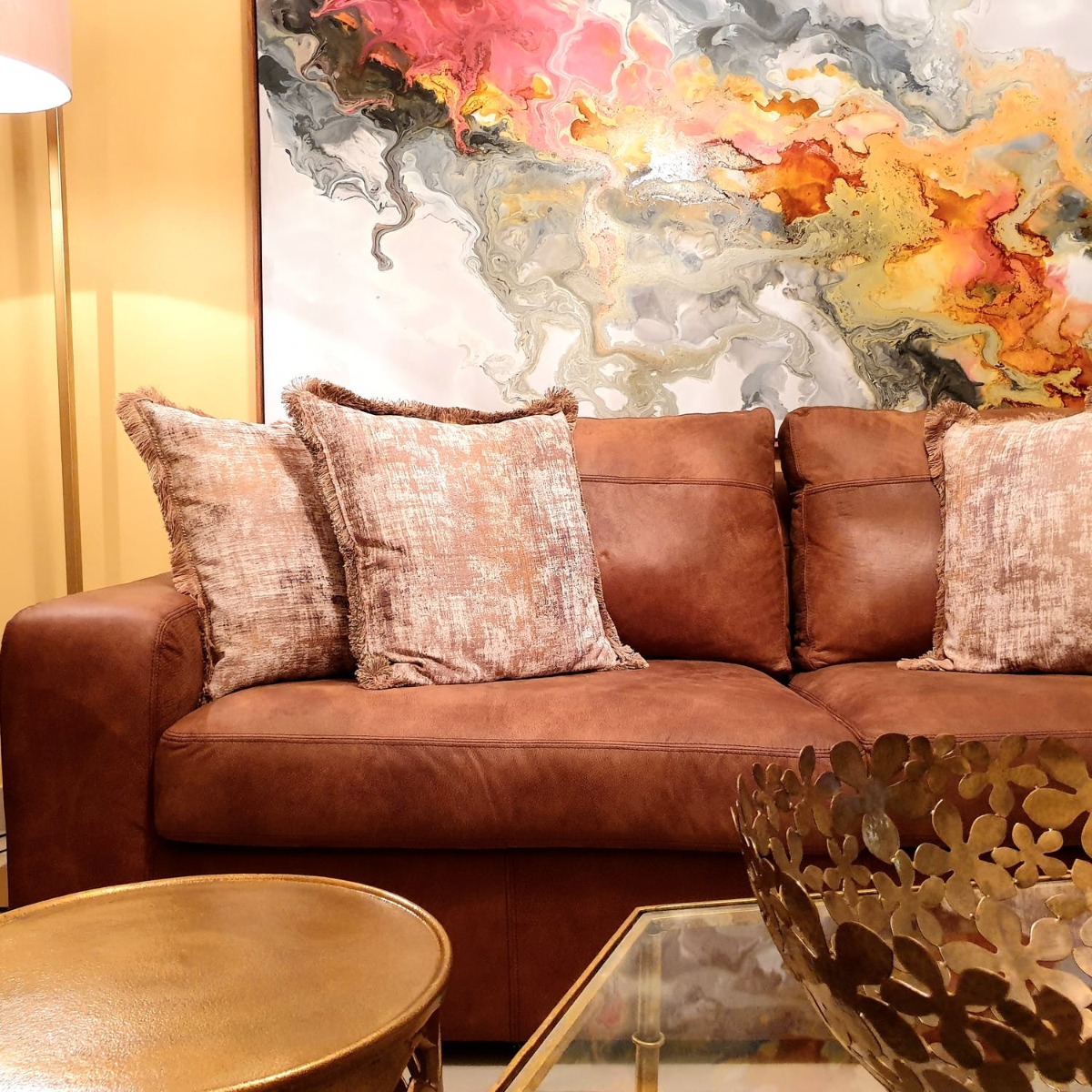
Interior design for the home is all about what you are looking for. It’s natural to worry about what other people might think of your designs, but this should never be your major concern. If you only ever try to please other people, you’ll never be happy with what you create.
Not everyone will fall in love with what you design and that’s ok. All that matters is that it makes you happy.
Interior Decorating Design for the Home and SOA Arts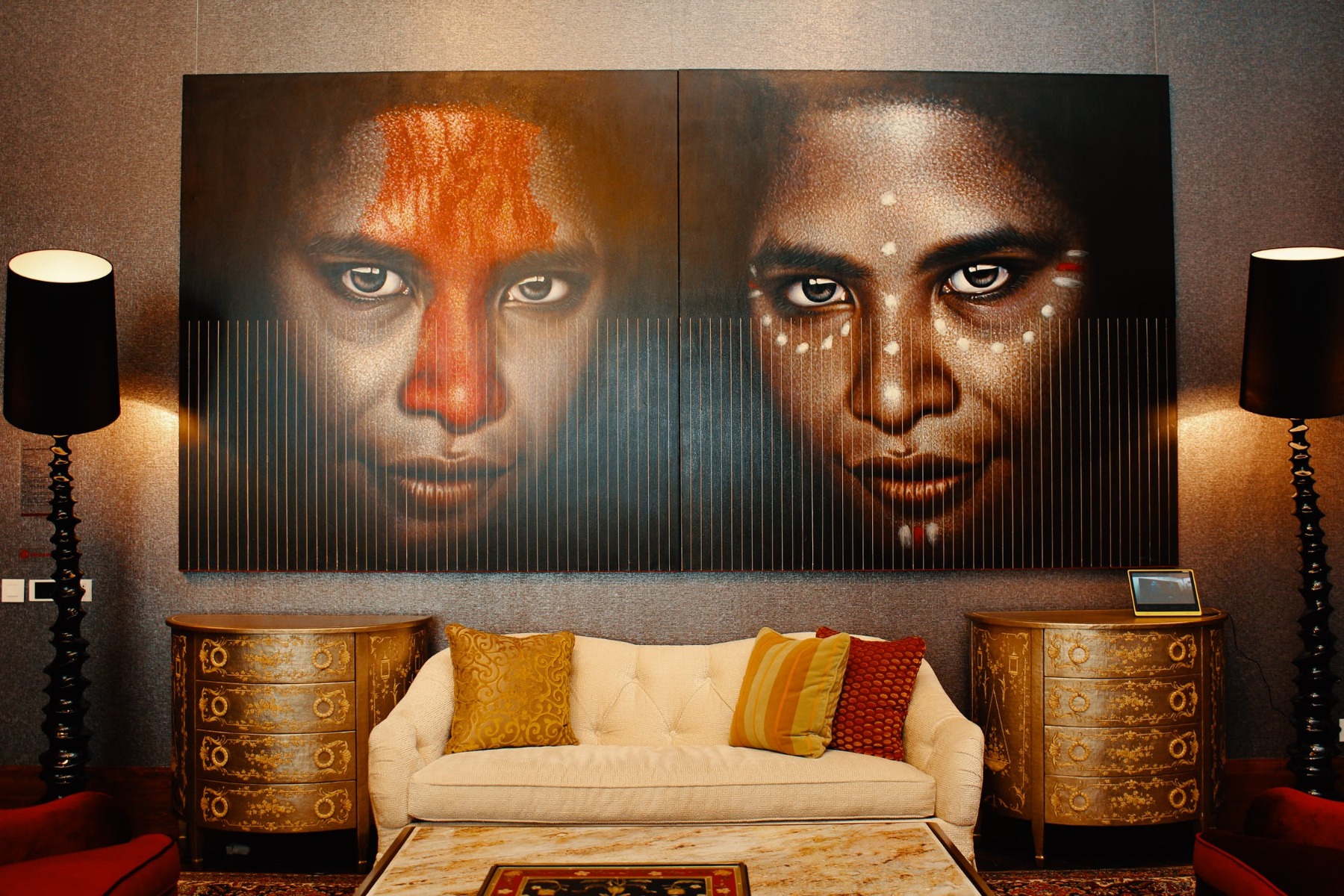
As a premium Chinese art factory, we love helping home and business owners improve their interior design. We have more than 10 years of experience in producing, curating, and sourcing incredible art and pieces for your space.
Want to get started on your interior design journey? Get in touch today and we’ll be happy to help.
-
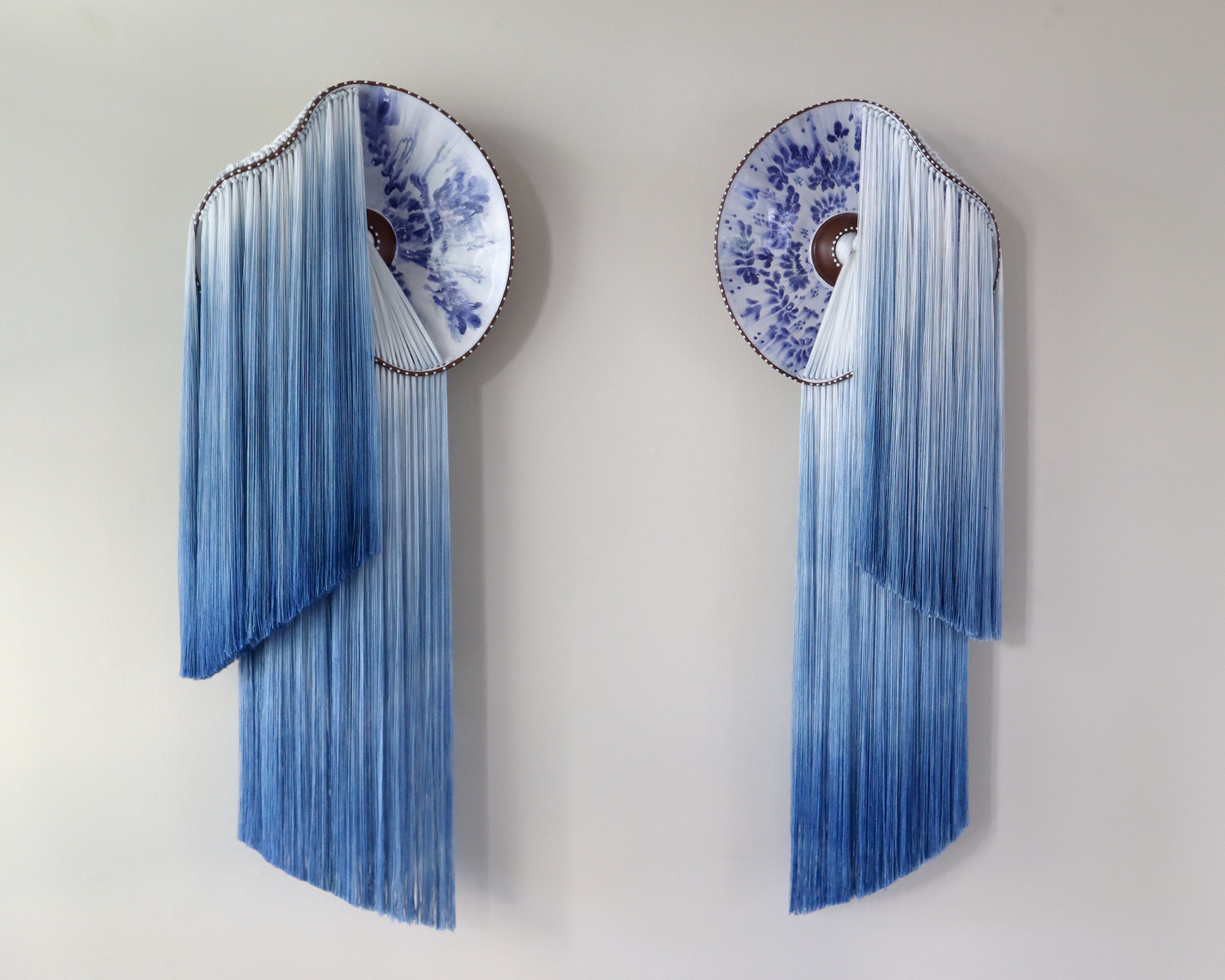
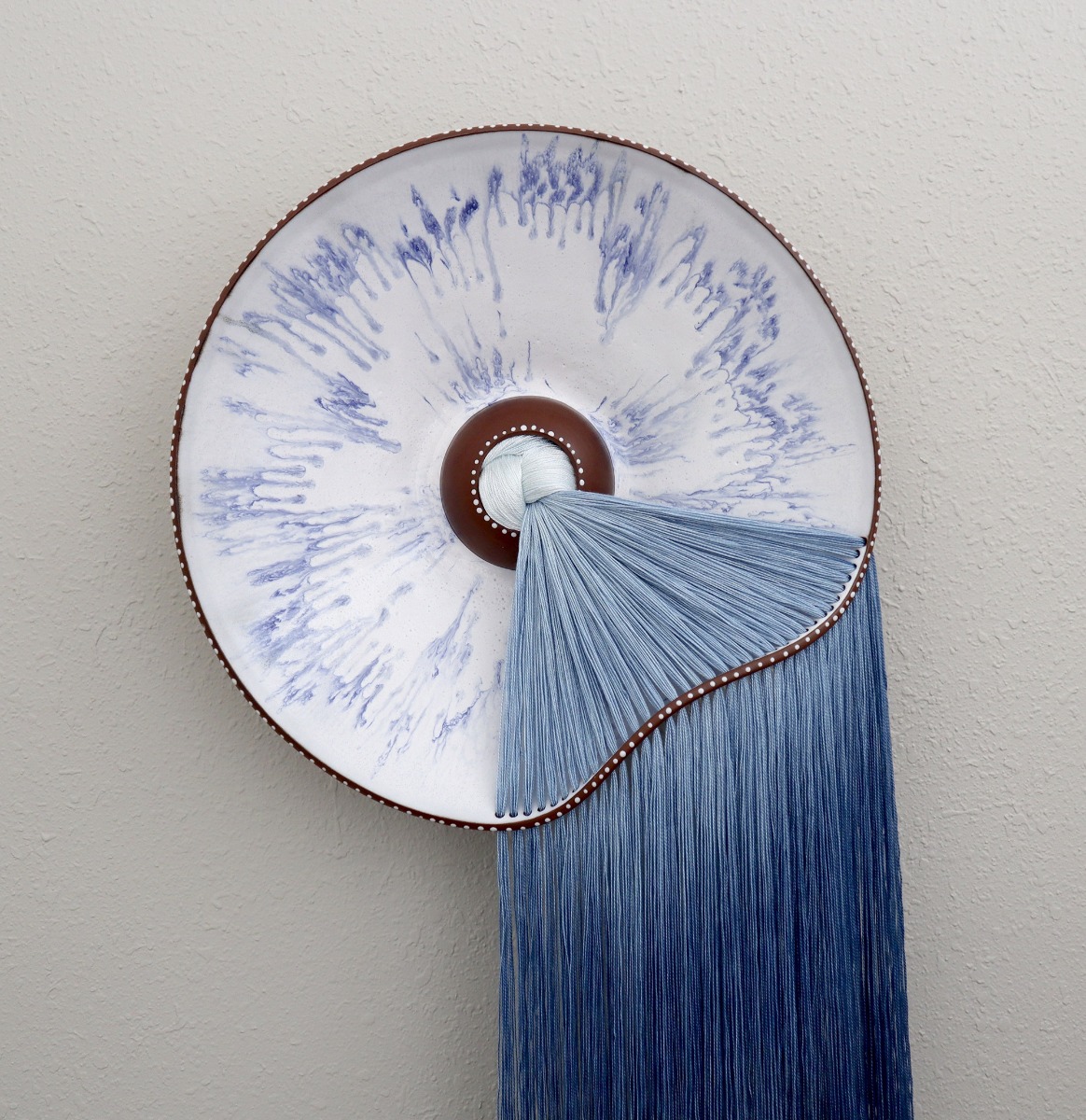
Navigating two different cultures may be challenging but that’s exactly what sets Nicole McLaughlin apart from other conceptual designers in her generation. She blends together ceramics and fiber, both of which are historically domestic crafts, to create stunning pieces that explore identity, heritage, and traditions.
While born and raised in Massachusetts, McLaughlin spent her early childhood years in her mother’s hometown of Cuernavaca, Mexico. She went on to study at the Kansas City Art Institute, where she received a Bachelor of Fine Arts. Since then, her work has been included in exhibits across the world and has fetched high prices from private collectors.
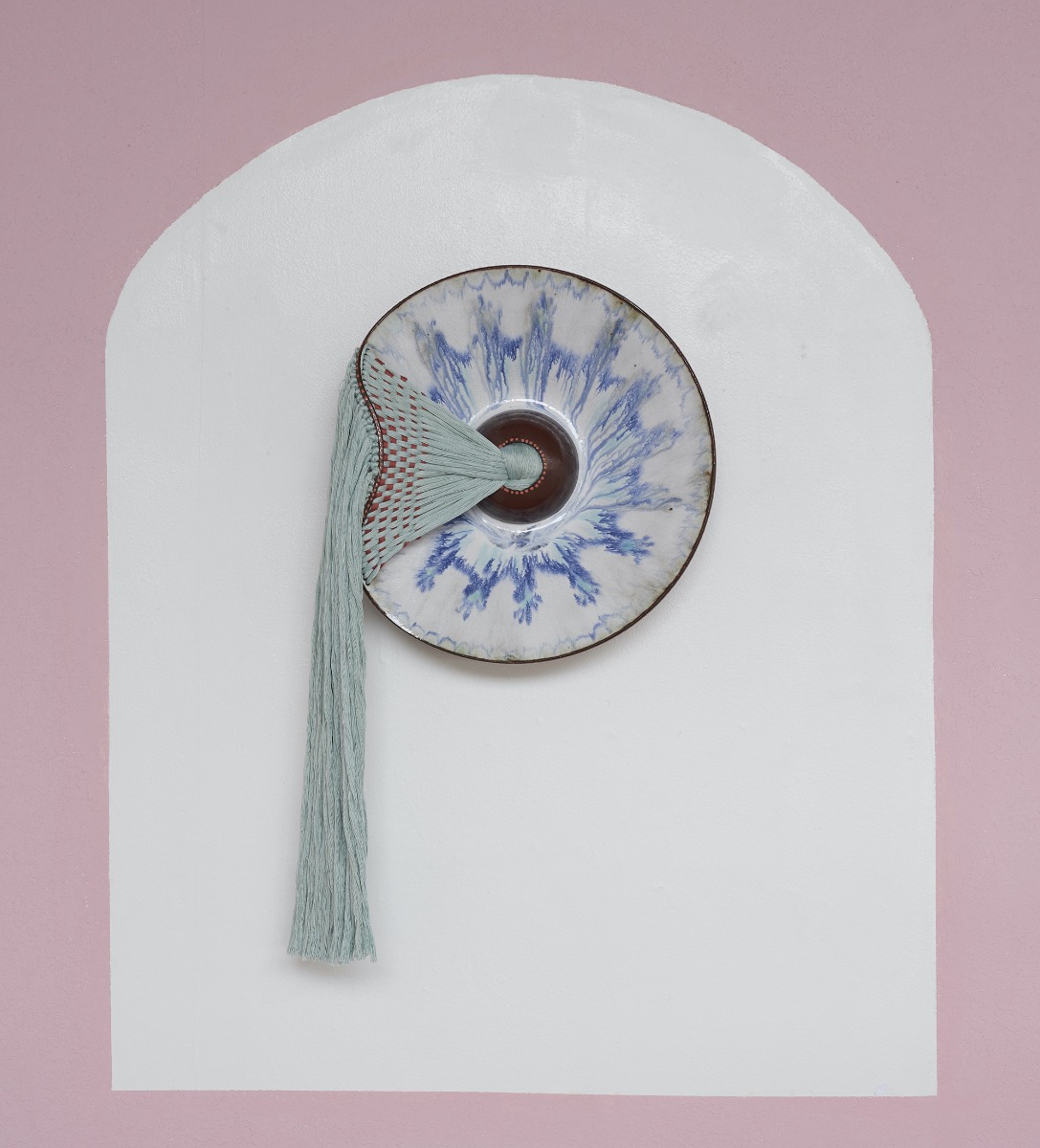
A first generation Mexican-American, McLaughlin uses her art to explore the similarities and differences between her two cultural identities.
“As a product of an American father and a Mexican mother, I am influenced by the conflicting expectations I have received as a woman within my two cultures,” she says in her artist statement. “My studio practice, a ritualization that celebrates and questions my cultural inheritance as a woman, depicts the dichotomies of my heritage through the combination of ceramics and fiber. With a manipulation of traditional processes and materials of domesticity, I begin to bridge the misunderstandings present between the maternal generations of my lineage.”
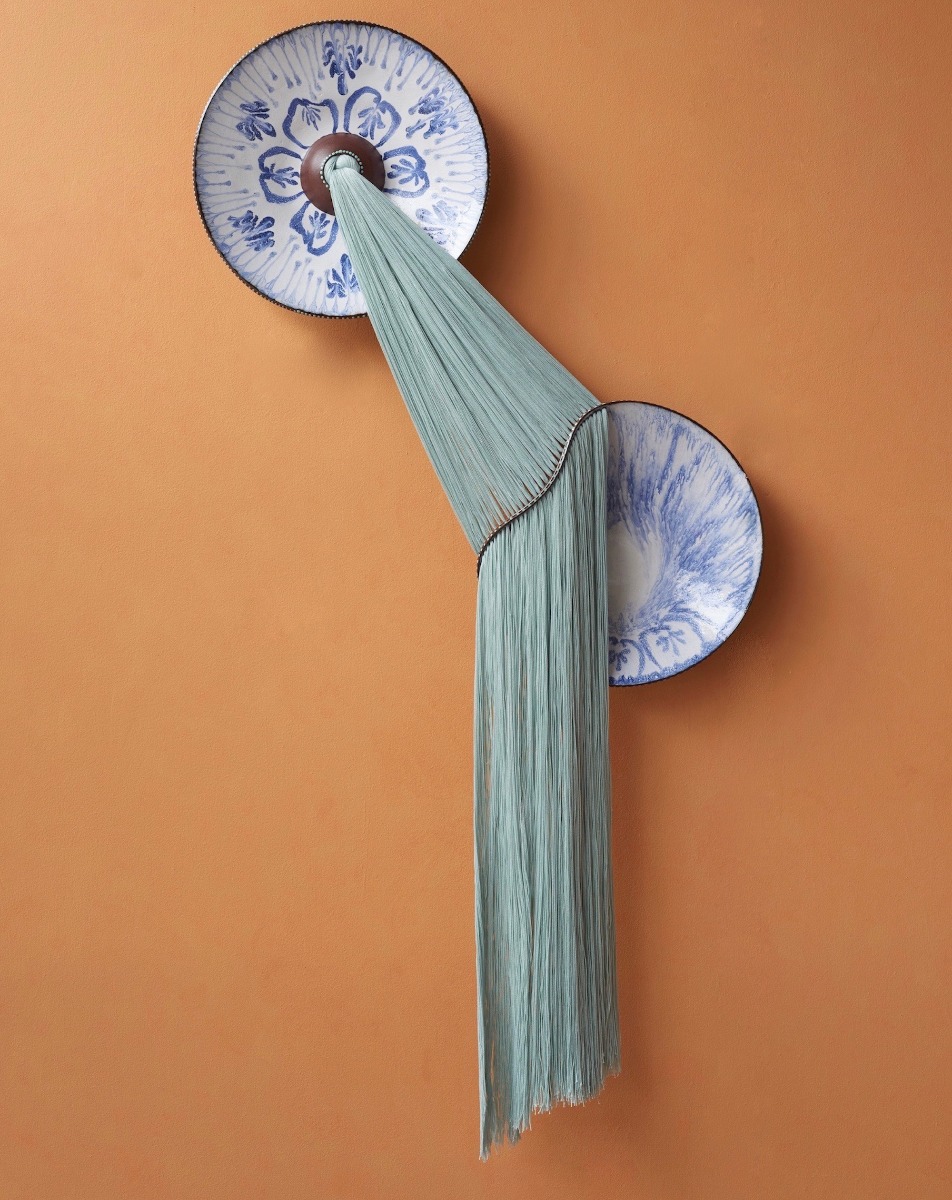
Using ceramics and fiber, McLaughlin creates dynamic sculptural installations that reflect the interwoven traditions and expectations that she has inherited as a Mexican-American woman. Apart from her background, the pieces also explore questions of memory and personal history, as well as ideas of femininity.
“In her mixed-media works, the artist contrasts the soft, pliable fibers with the fragility of the plates painted with blue-and-white motifs,” writes journalist Grace Ebert, who recently published a feature article on McLaughlin. “Dyed in subtle gradients and earth tones, the loose threats are woven through the sloping ceramic edges and knotted in the center.”
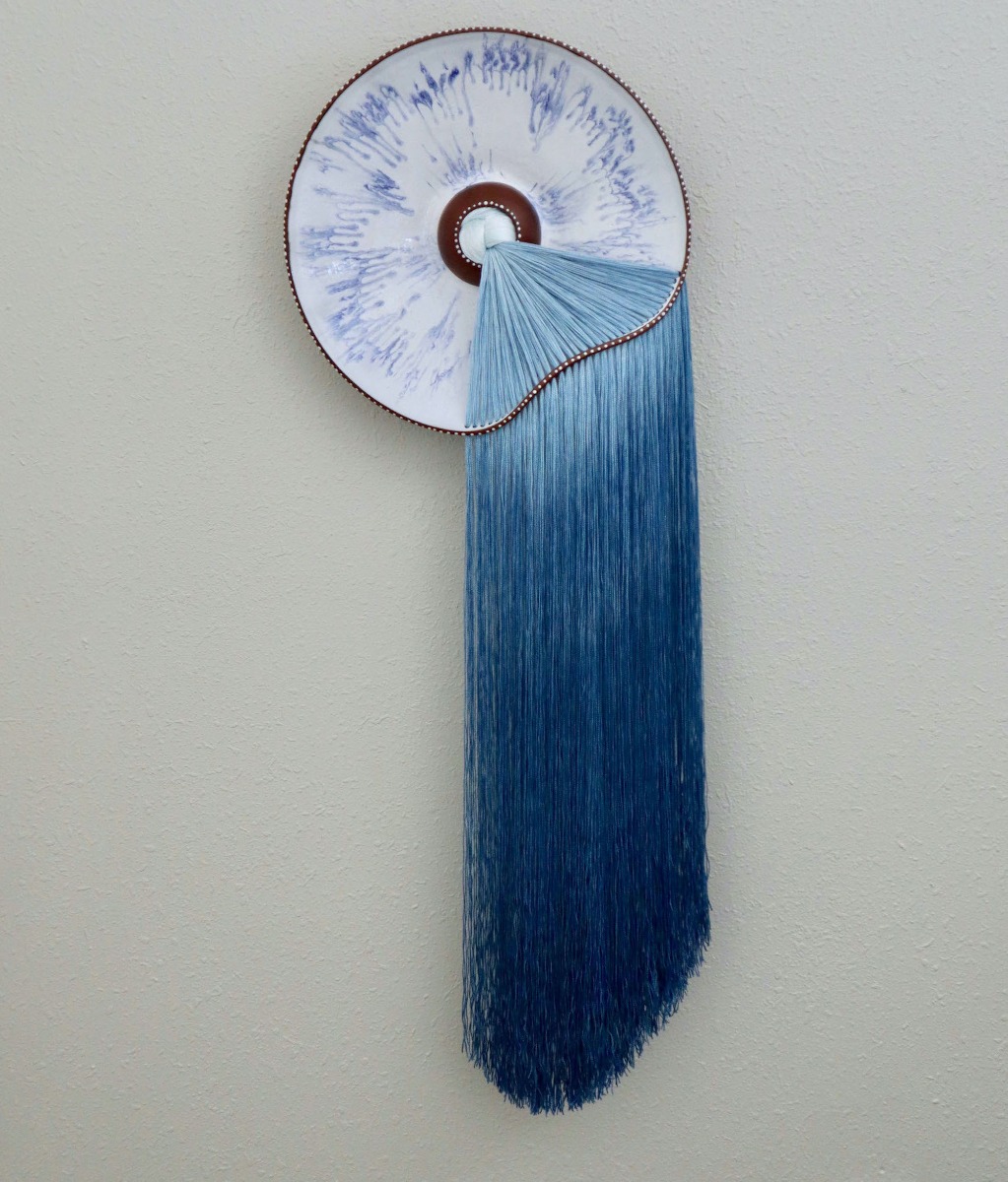
“[The vessels] serve as vehicles for fiber,” explains McLaughlin. “As the fiber flows from, weaves into, or frames the ceramic, it distorts the functionality but becomes a meaningful component as plate and cloth merge. The vessels contain an expression of femininity an an essence of personal and cultural history.”
McLaughlin’s interest in ceramics began in high school; however, only in college did she begin finding deeper and more significant meaning in the traditionally domestic media.
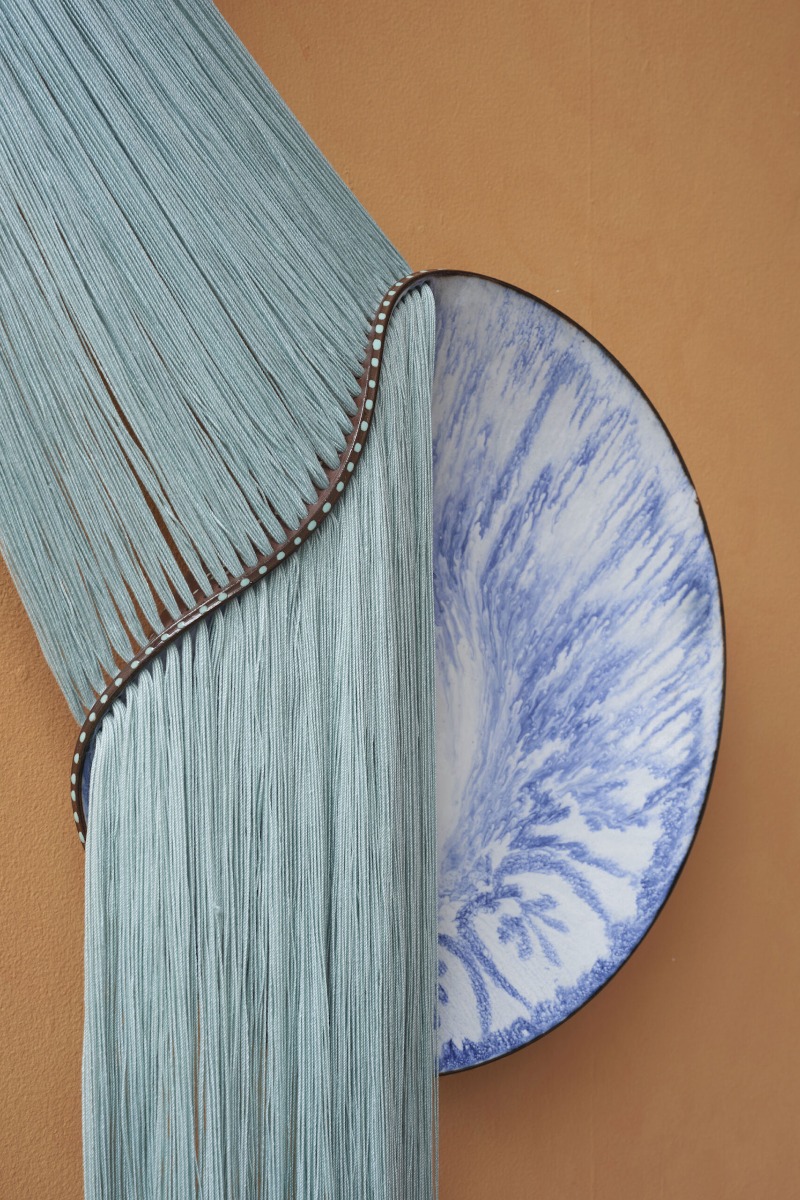
“I began thinking about my work in relation to my own personal history and experience,” she says in an interview. “Once I did that, the materials and processes I was using in my studio practice started to hold huge conceptual weight, which [brought] me to the incorporation of fiber. It really came out of this need to add another layer to my work. At the time, I was doing a lot of research into craft traditions in Mexico and the history of those techniques. Clay and fiber have since become a symbol of how my life was shaped by a collision of two cultures.”
Given the inclusion of thread and fibers, McLaughlin’s sculptural installations are far from functional. But the string adds movement to them, turning their rigid and static forms into dynamic pieces that audiences can’t look away from.
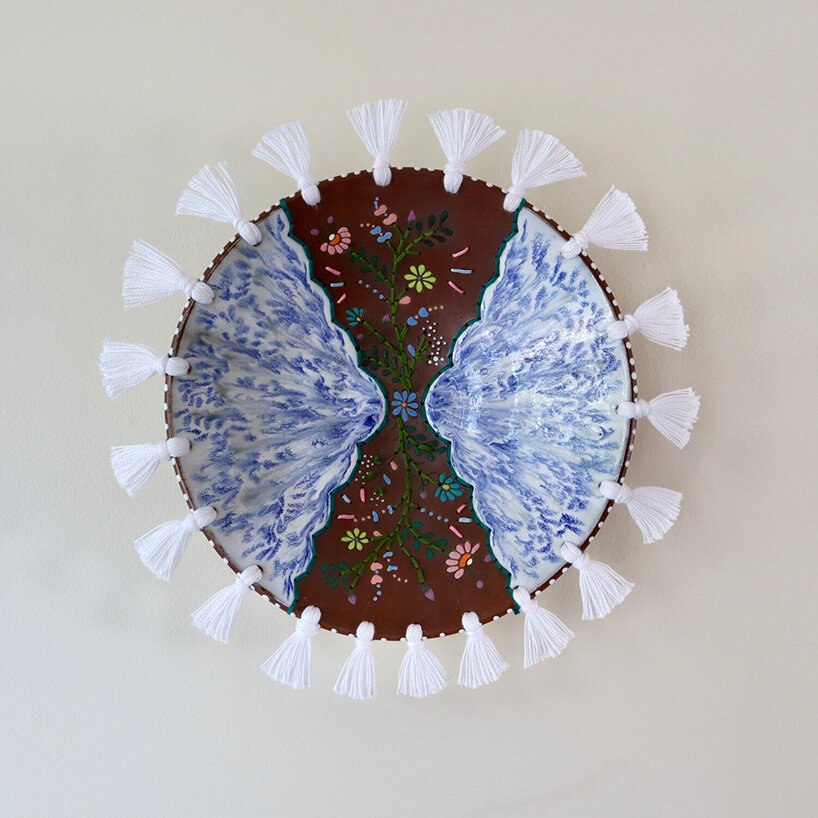
“In the end, my work serves as a way to explore and pay tribute to the traditions of womanhood in the Mexican culture – through a contemporary expression true to my own identity,” explains McLaughlin. “My life looks very different from what can be seen as traditional but that doesn’t mean I reject those values. My grandmother and mother have made huge efforts, in order for me to experience my culture and heritage. They, as the women who raised me, are the biggest influences on my creativity and drive. Although we may not see eye to eye at times, we are all grounded in our cultural roots.”
For mixed-race individuals, it’s often difficult to find the middle ground between their two cultures but McLaughlin believes that art is a medium that allows her to explore her Mexican-American heritage.
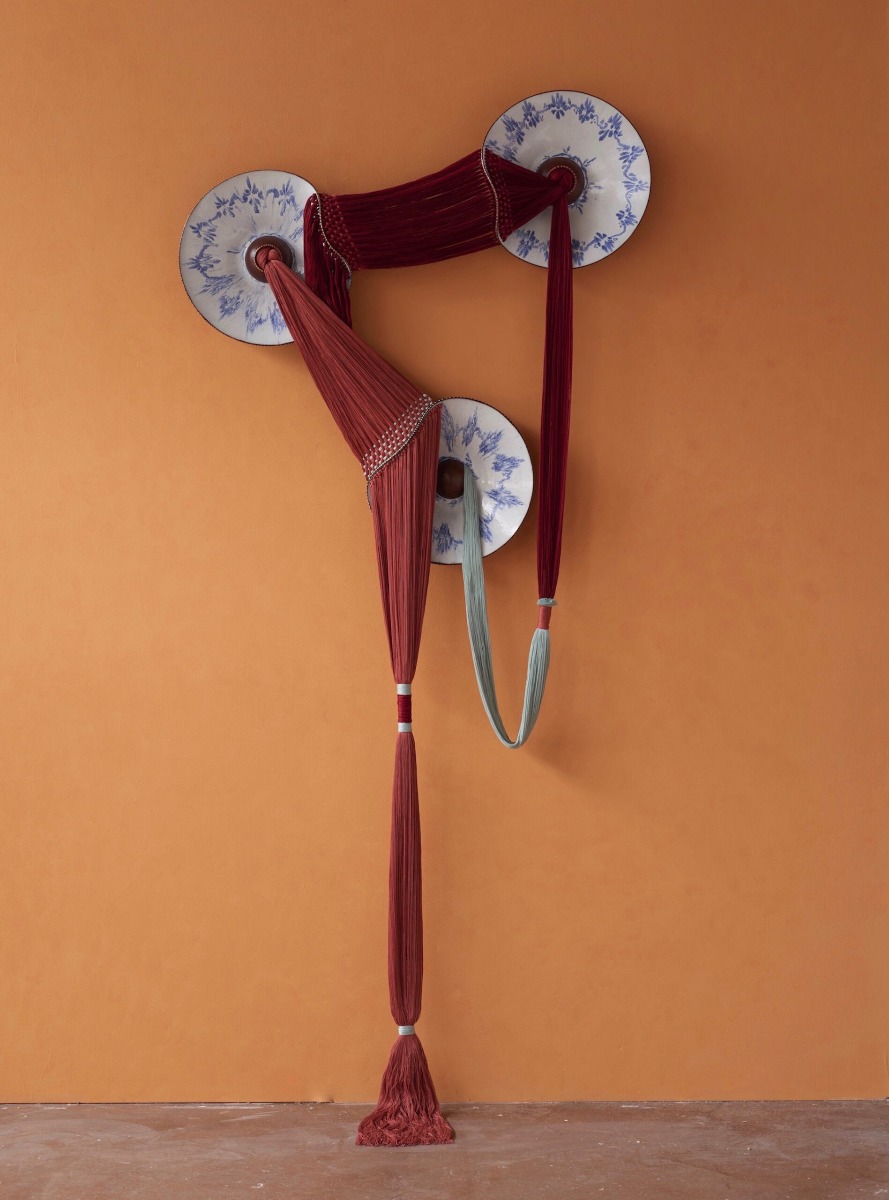
“I began making this work because I had many unanswered questions about myself, my identity, and my role as a woman within the two cultures I was raised,” says McLaughlin. “The work has really served as a way to self-discovery, a reflection of what values are important to me, and the traditions I hope to continue in my life. For that reason, I would describe myself and my work in the same way – as a collision of two cultures.”
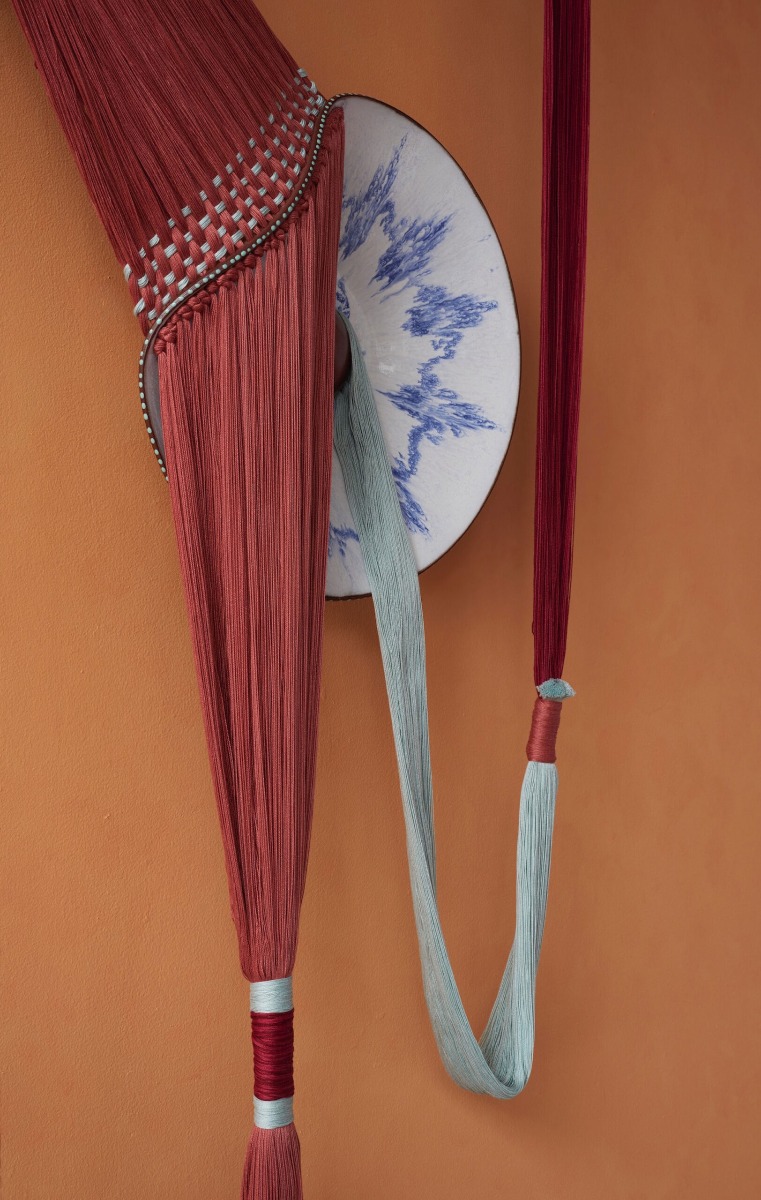
“Continuing the conversations woven into the tapestry of Mexican craft, I pick up the threads of those who came before and add my own voice,” she says in her artist statement. “Through an introspection of values, I begin to understand how clay and fiber directly relate to my lifestyle, cultures, traditions, and expectations. I simultaneously question and celebrate my identity as a woman across the generational and cultural boundaries in my life.”
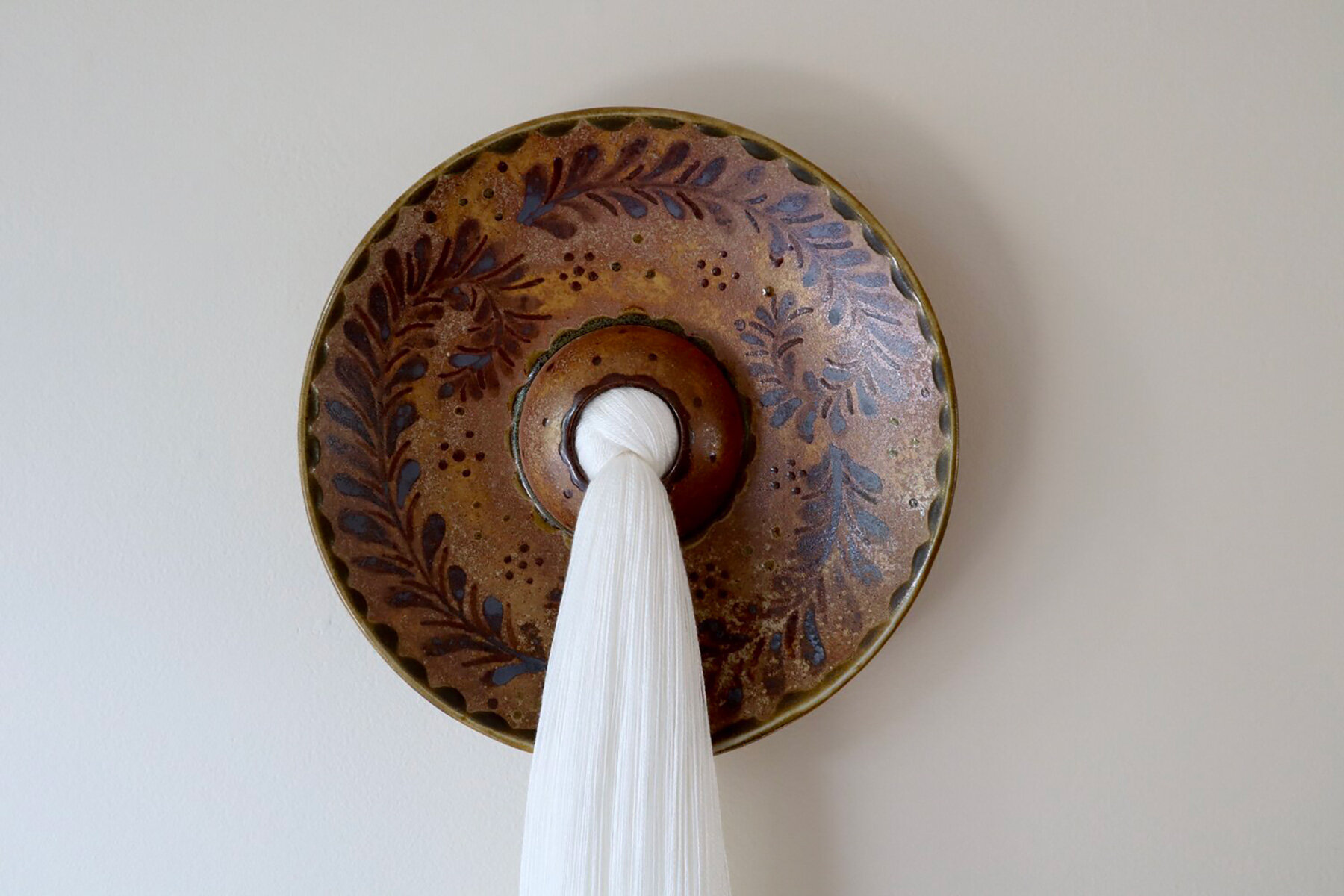
Nicole McLaughlin currently serves as the Ceramics Teaching Fellow at Tabor Academy in Marion, Massachusetts. She continues to draw inspiration from her Mexican-American heritage to manipulate ceramics and fiber into beautiful sculptural installations.
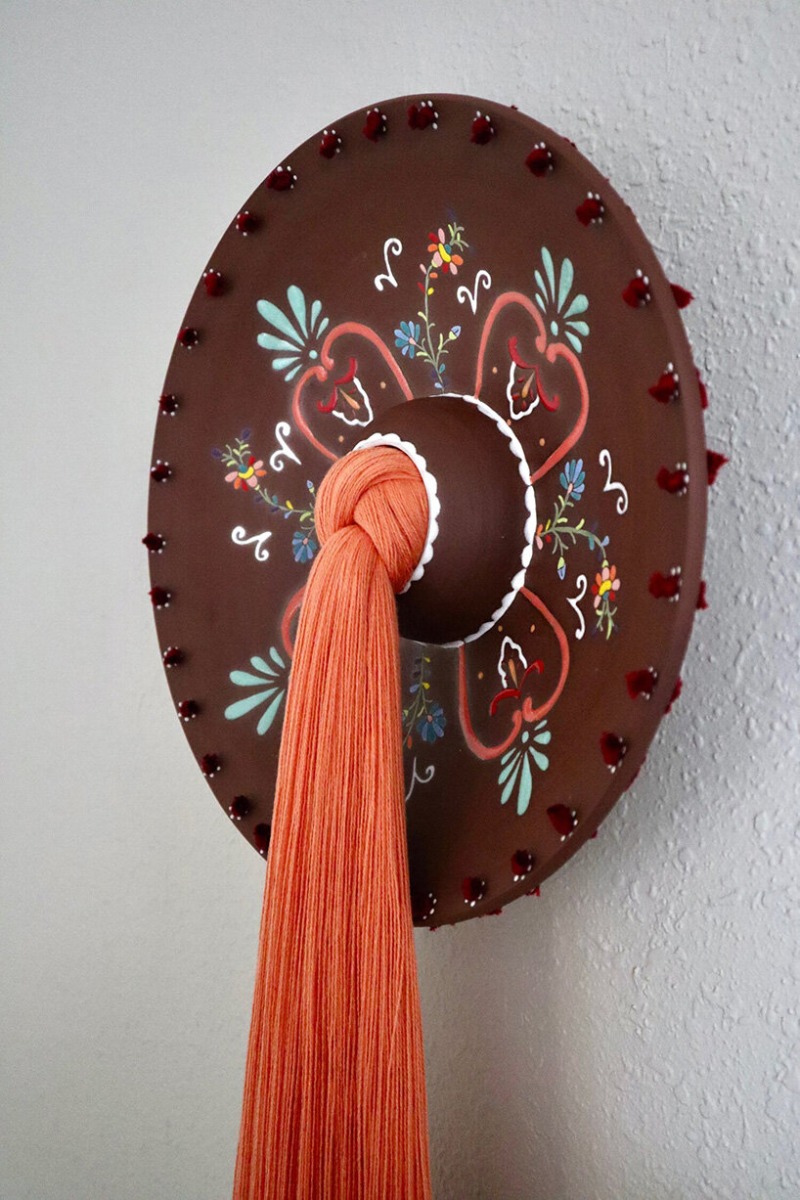
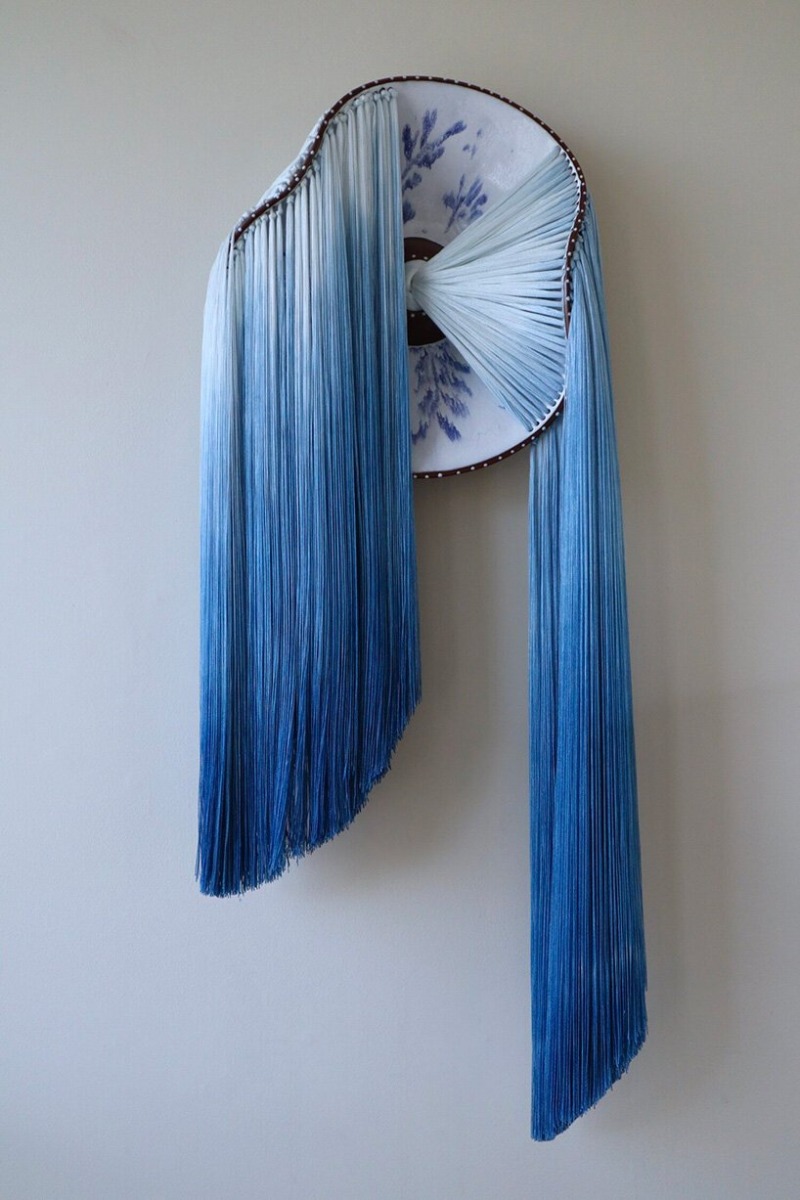
Source: © Nicole McLaughlin
-END-
-
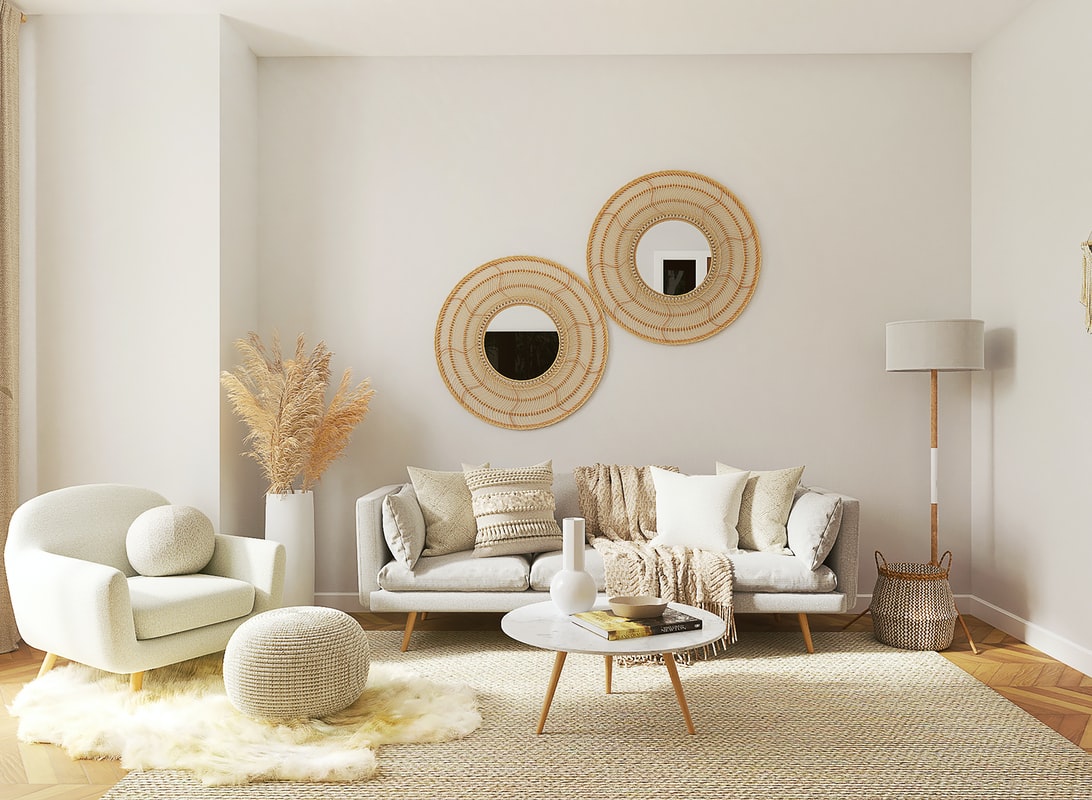
The artworks bring the space to life. Interior Design Team GRADE NEW YORK skillfully weaving a collection of modern art specifically into the interior design and renovation of spaces. Let’s explore!
ABOUT
GRADE NEW YORK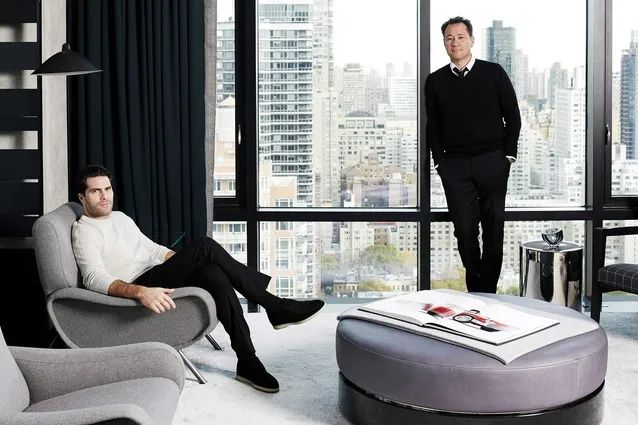
Edward Yedid / Thomas Hickey, AIA
“We share a vision about what living spaces should be—ordered, inviting, artful and enduring. Since GRADE’s founding in 2004, it has been our belief that integrating architecture and interior design from the outset creates the most beautiful, balanced and cohesive solutions. We travel widely for inspiration, and our obsession with creating contemporary beauty for balanced living fuels each uniquely personal space we design. Our work is grounded in historical precedent and informed by context with a view to the future.”
01
Chelsea Residence
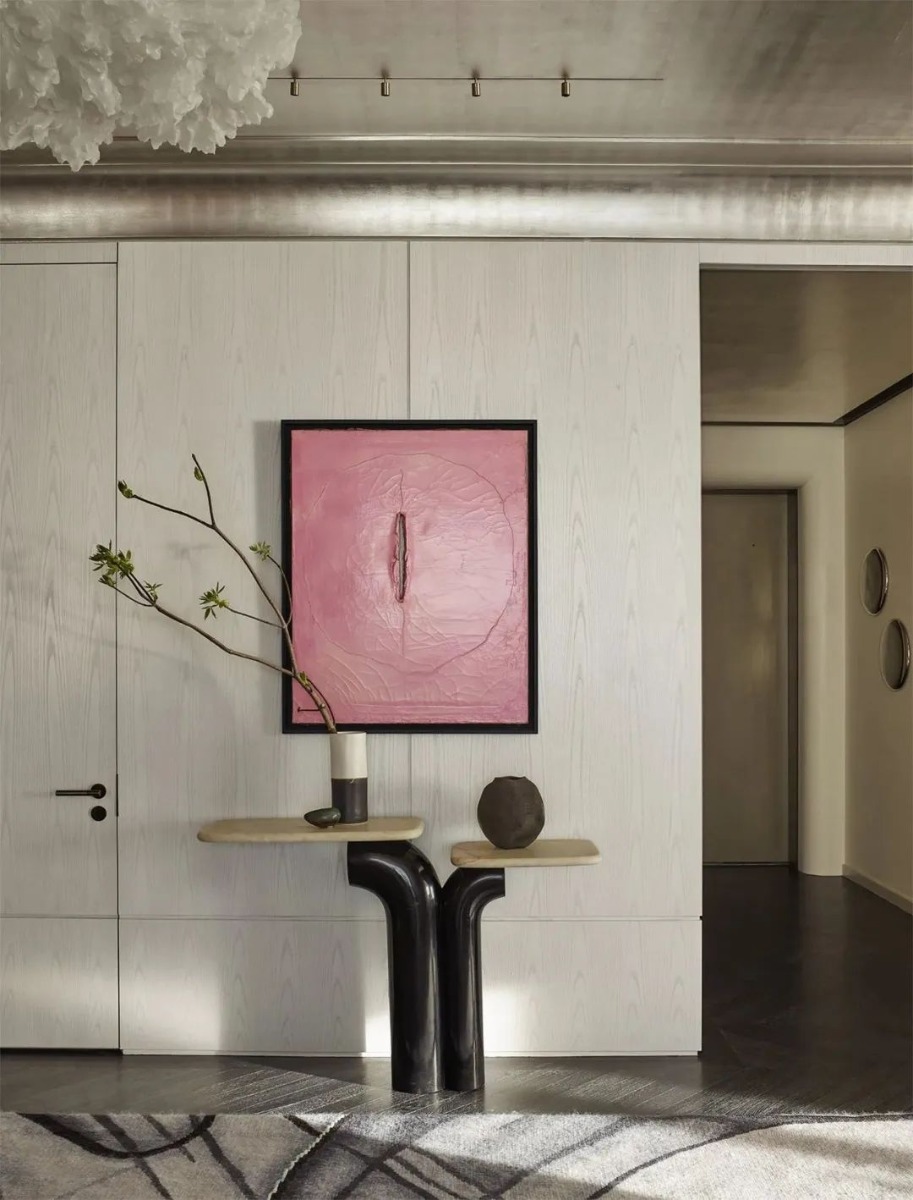
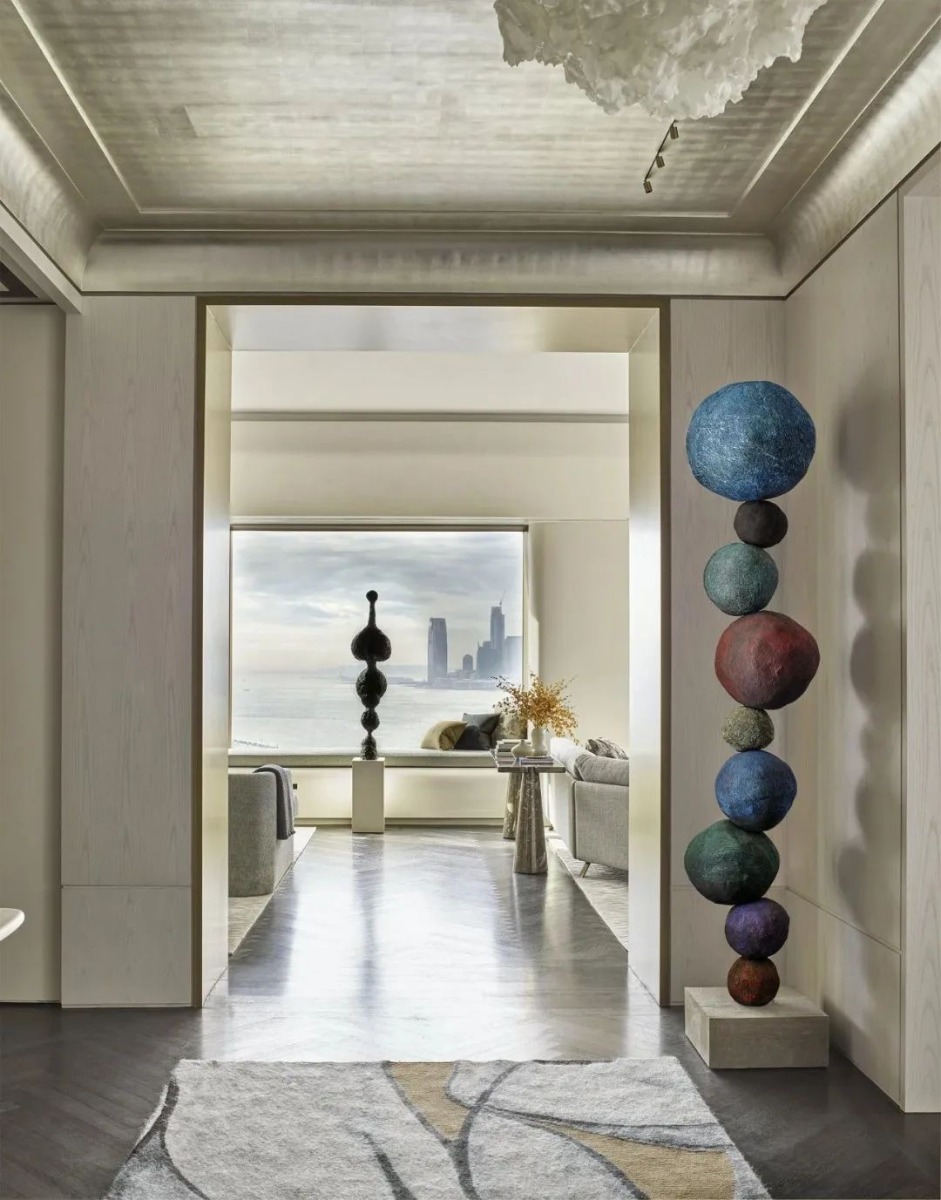
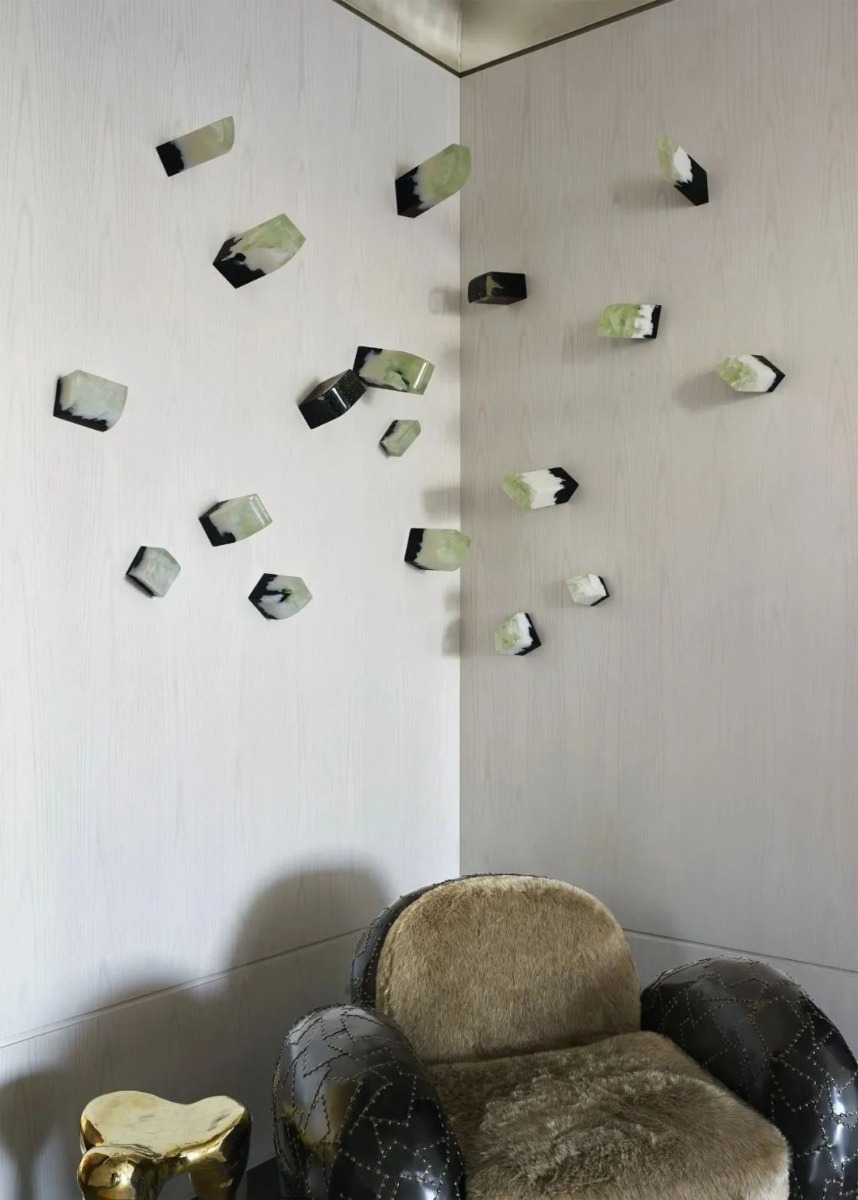
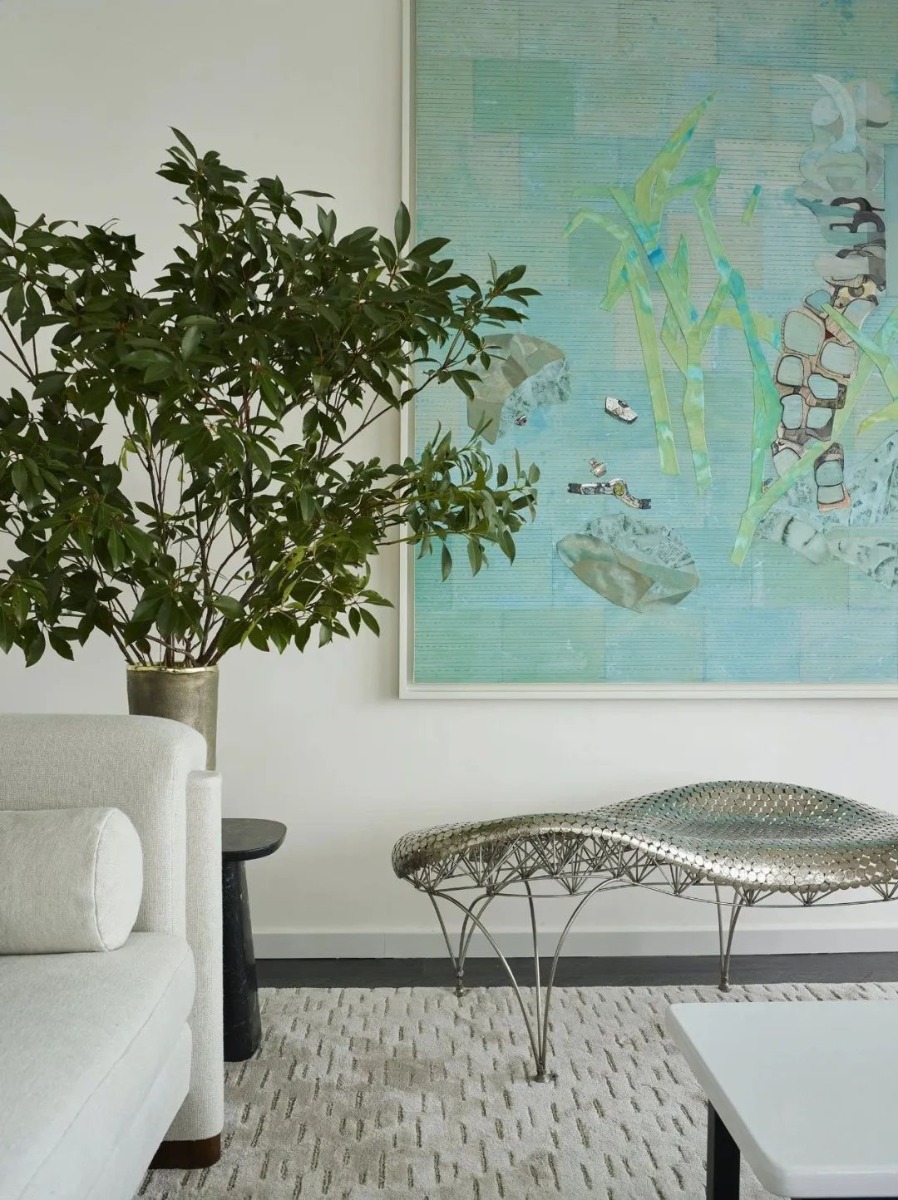
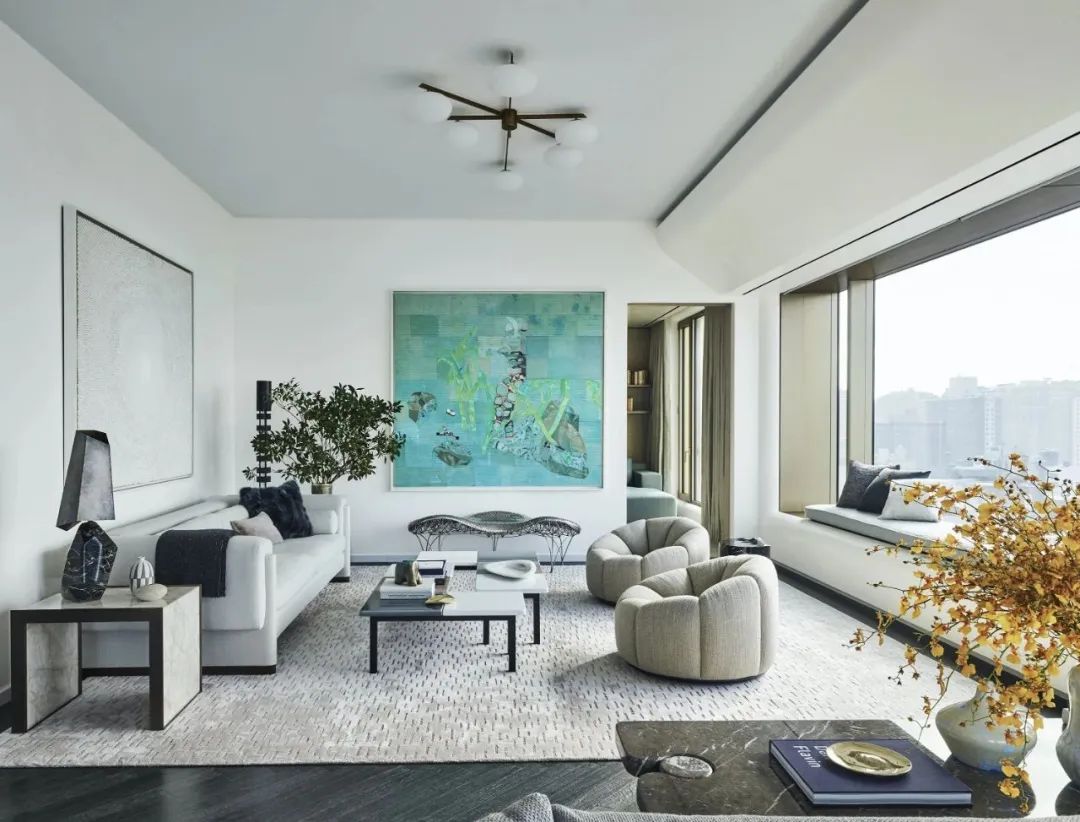
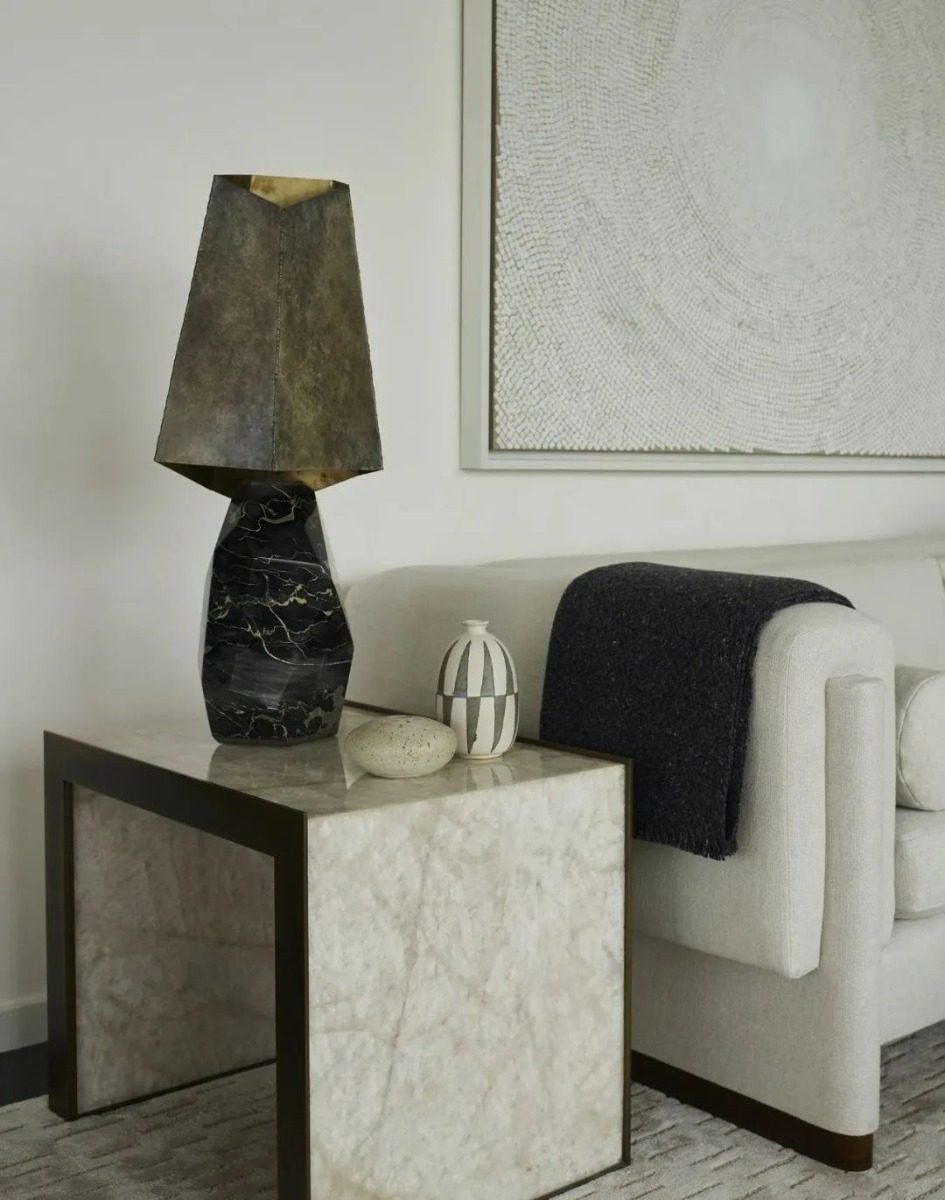
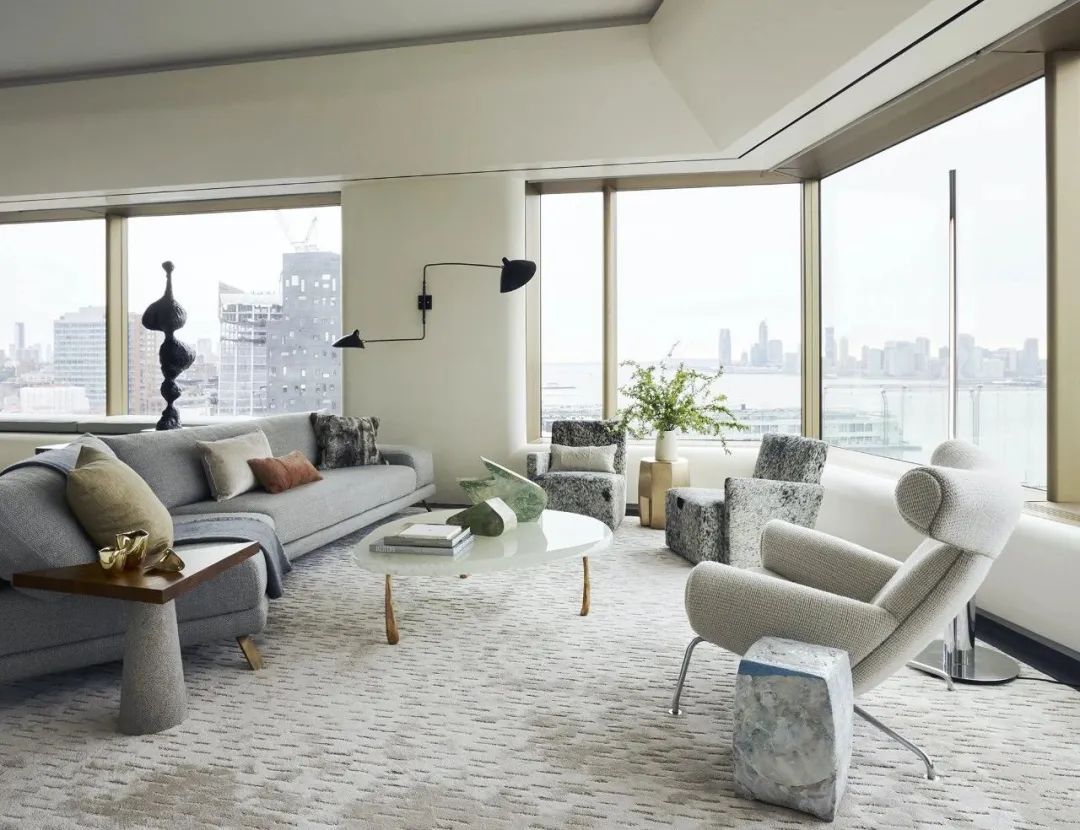
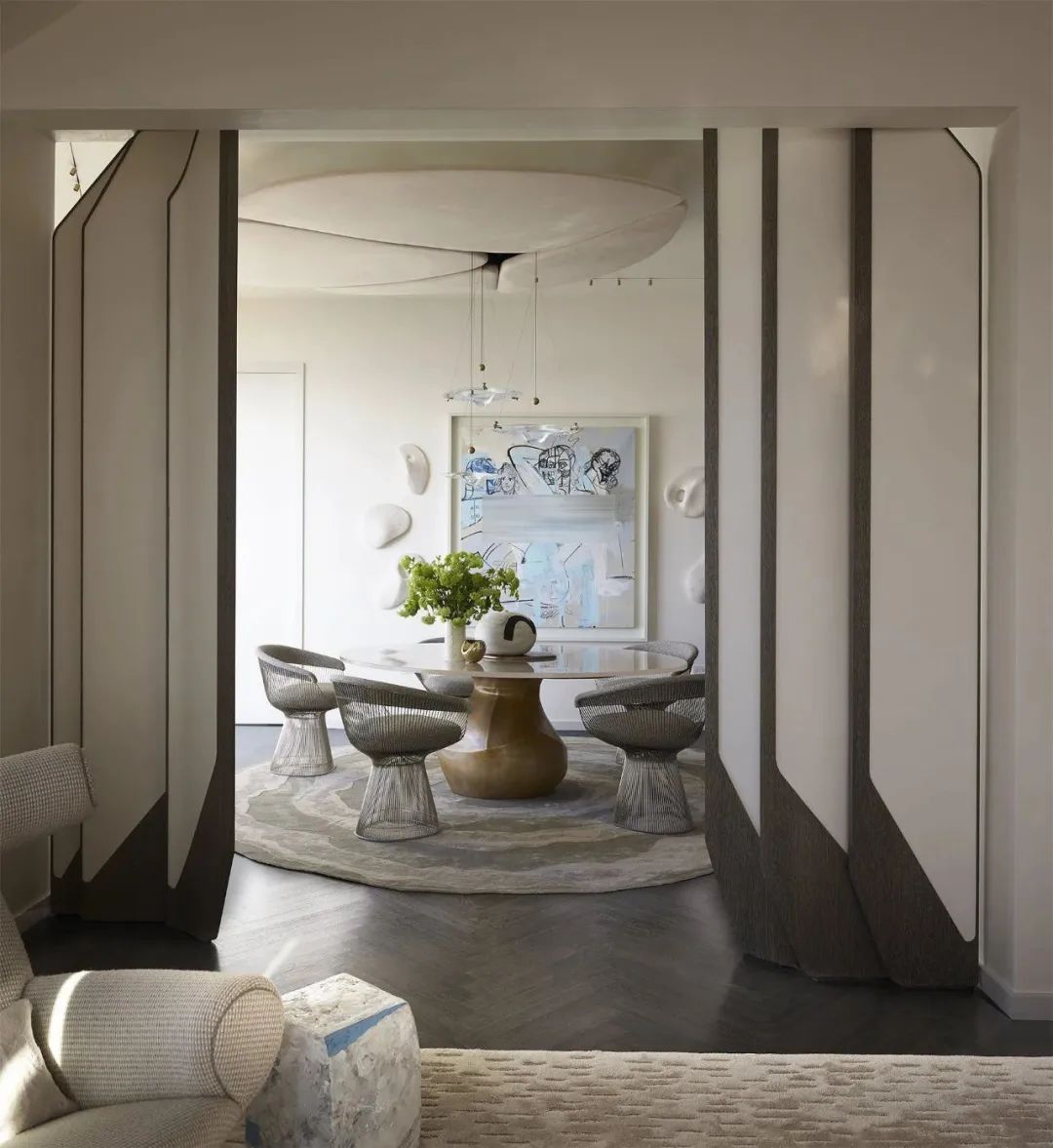
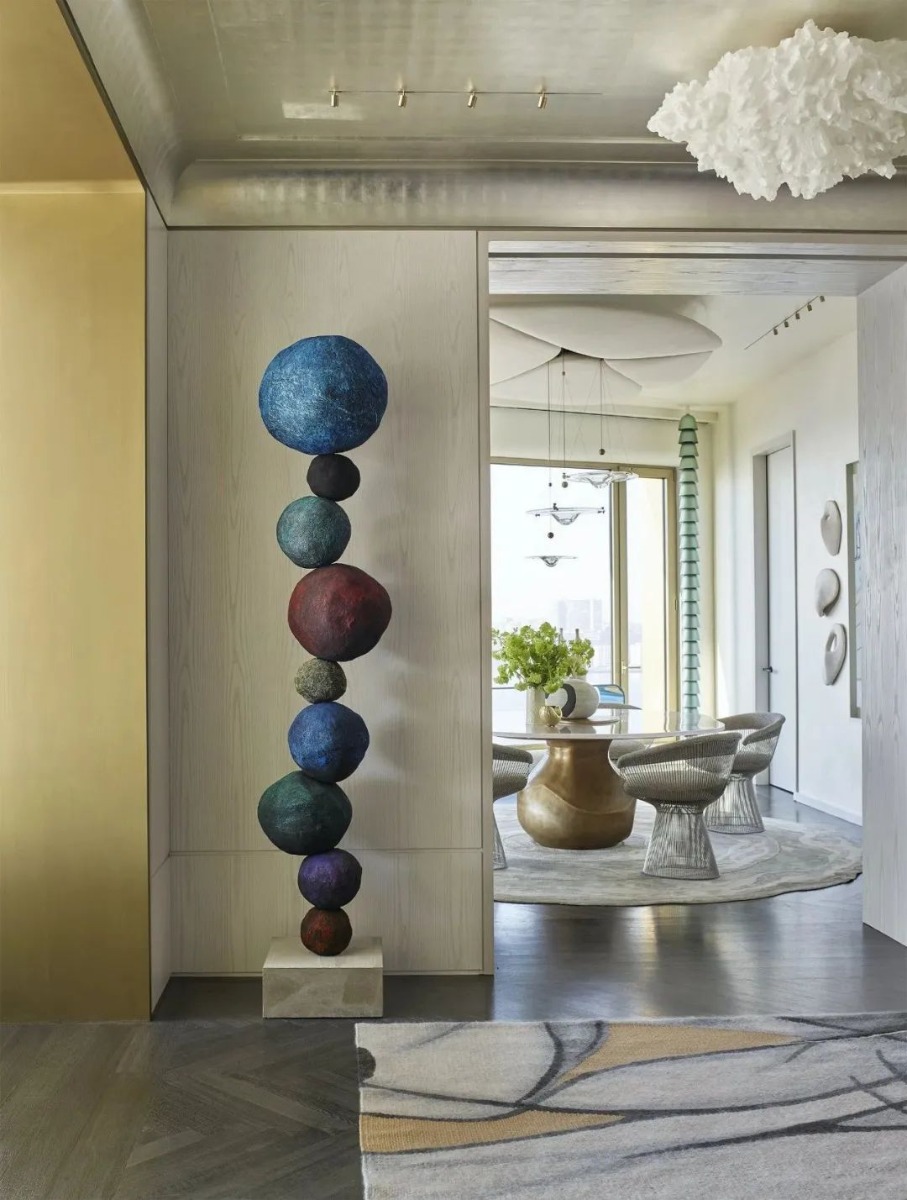
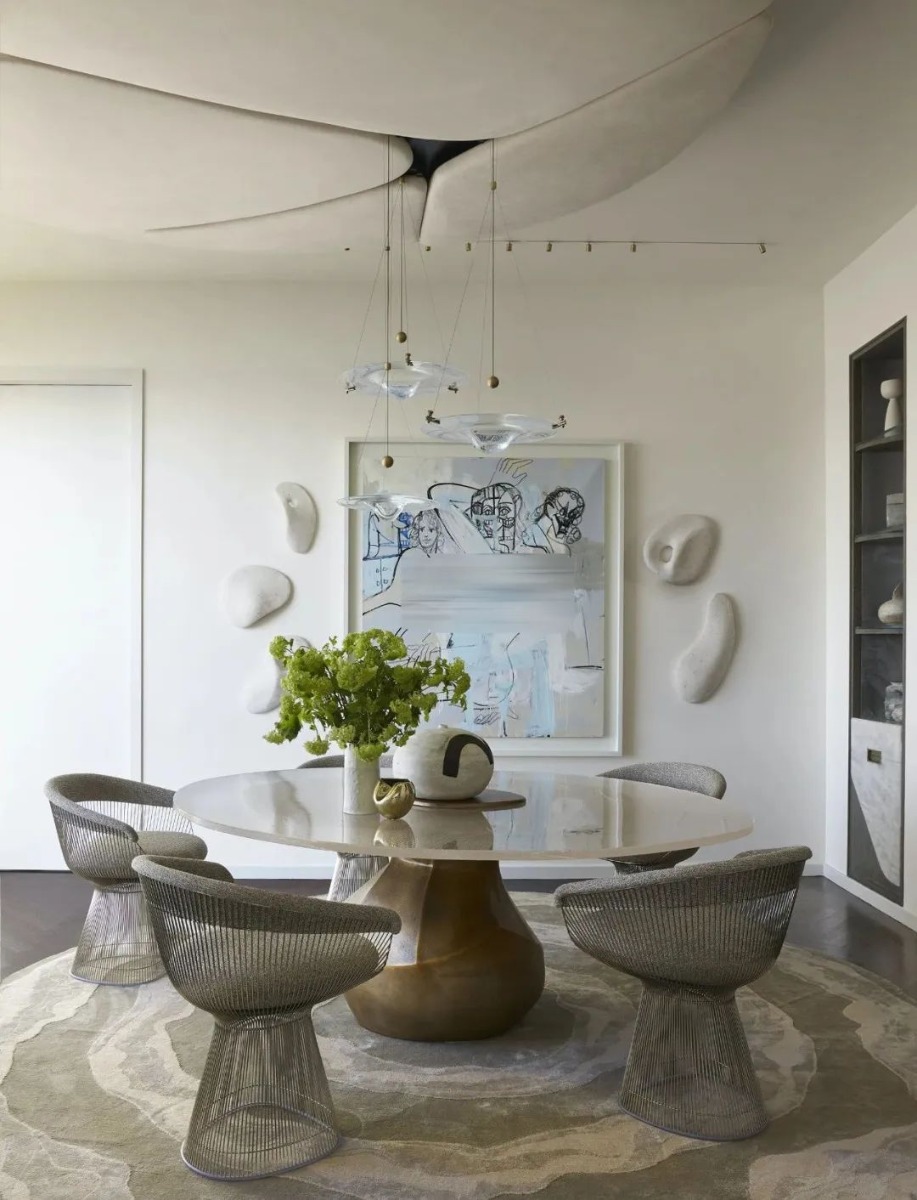
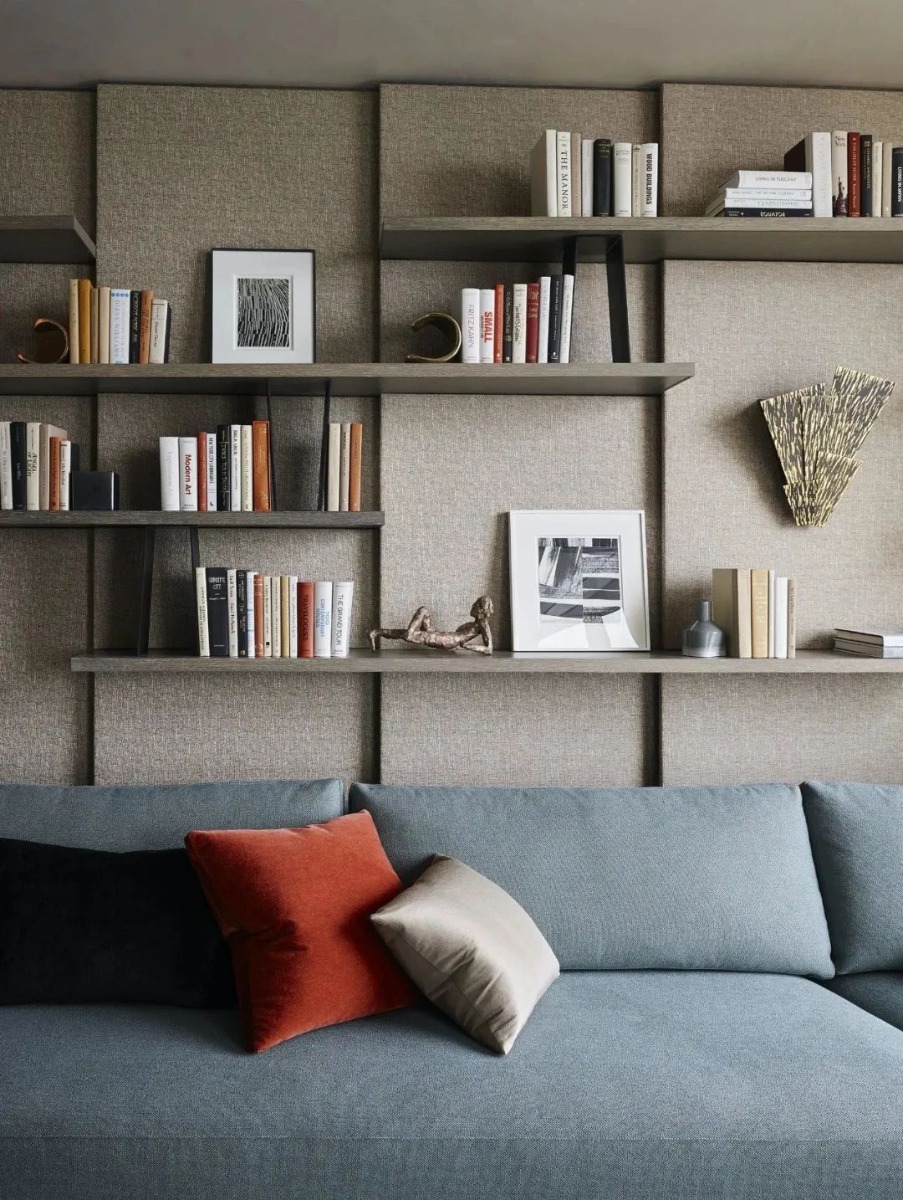
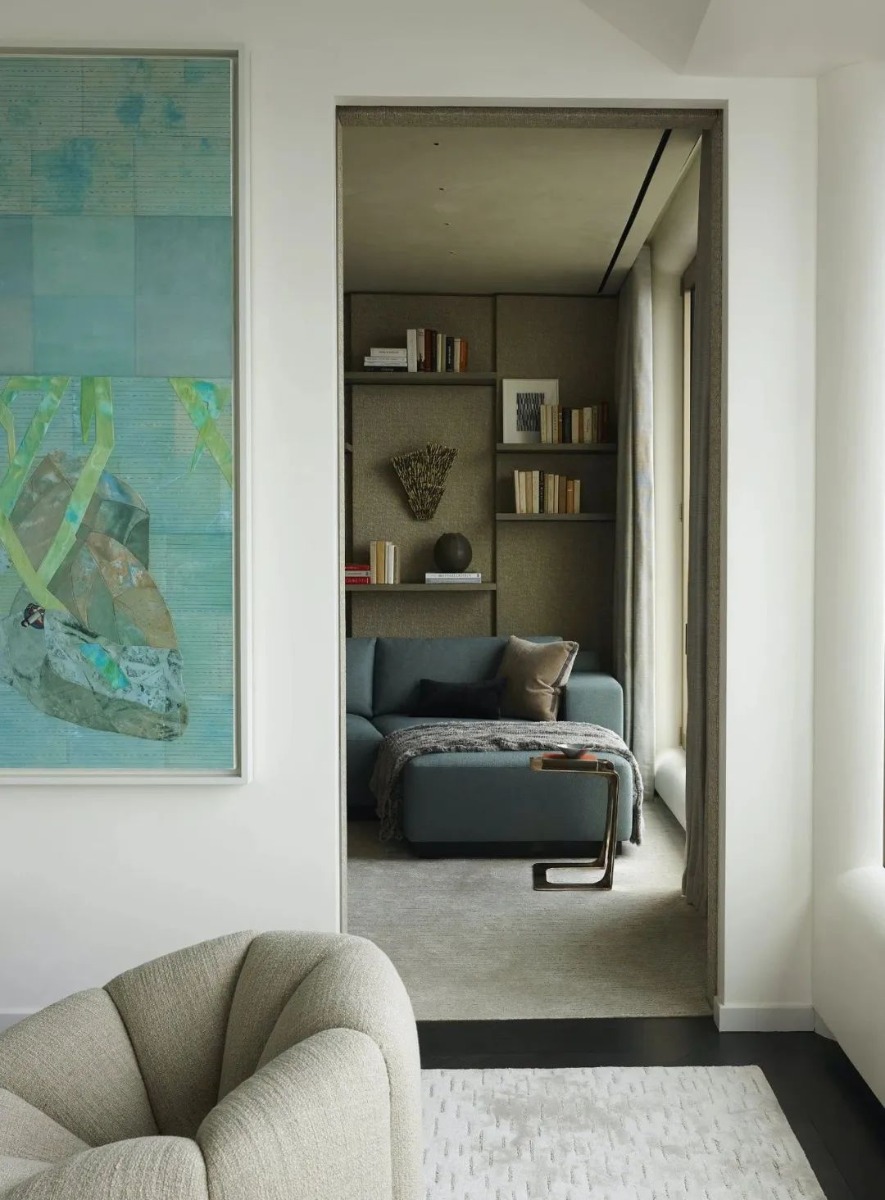
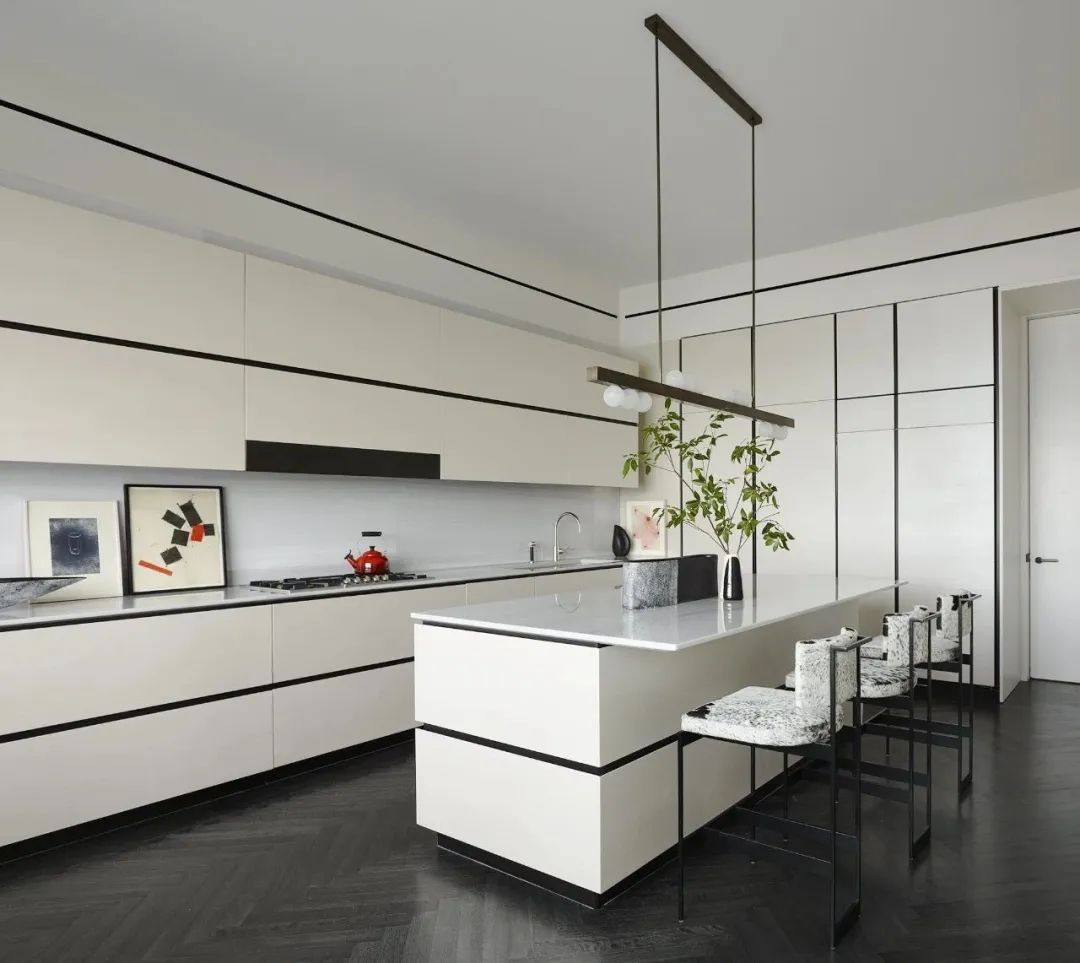
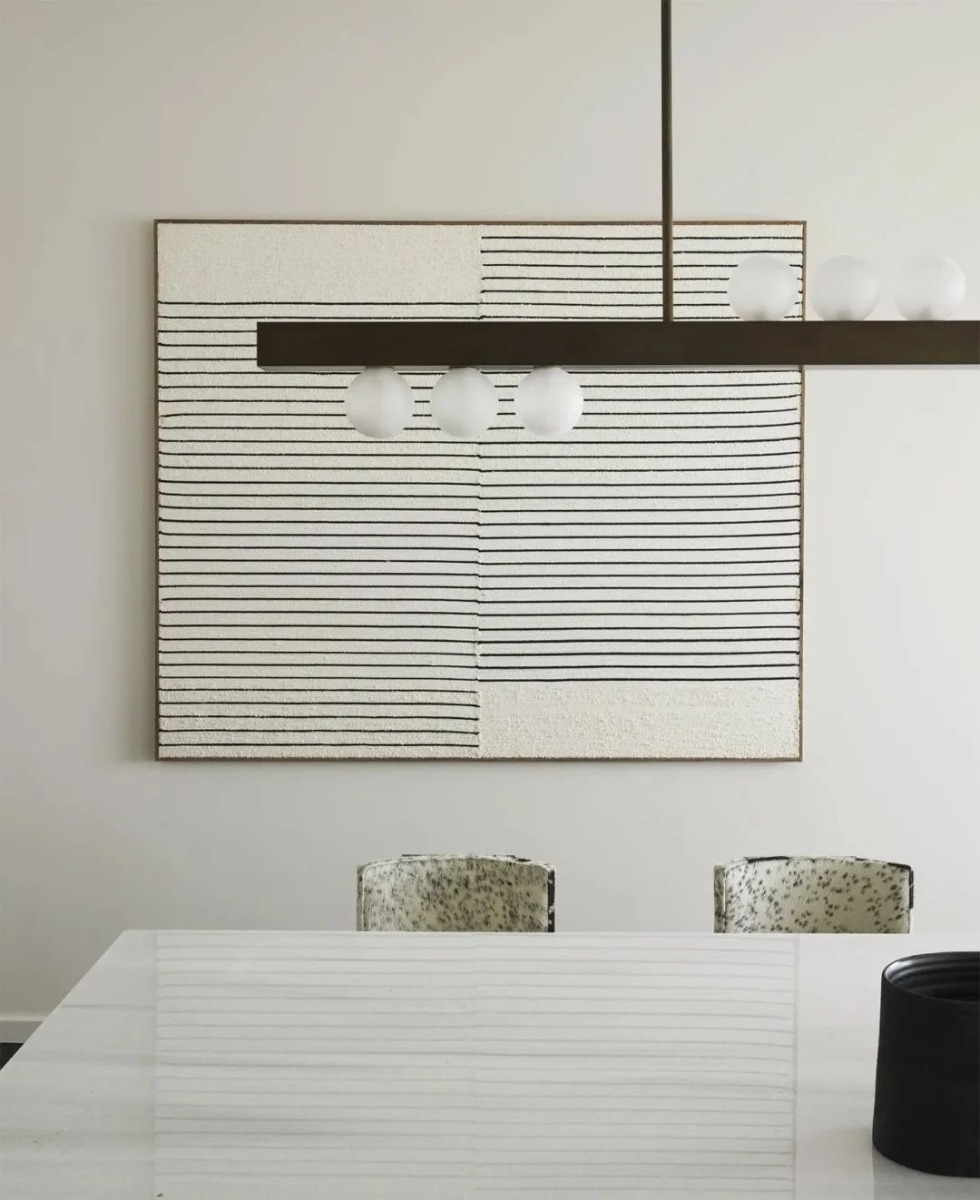
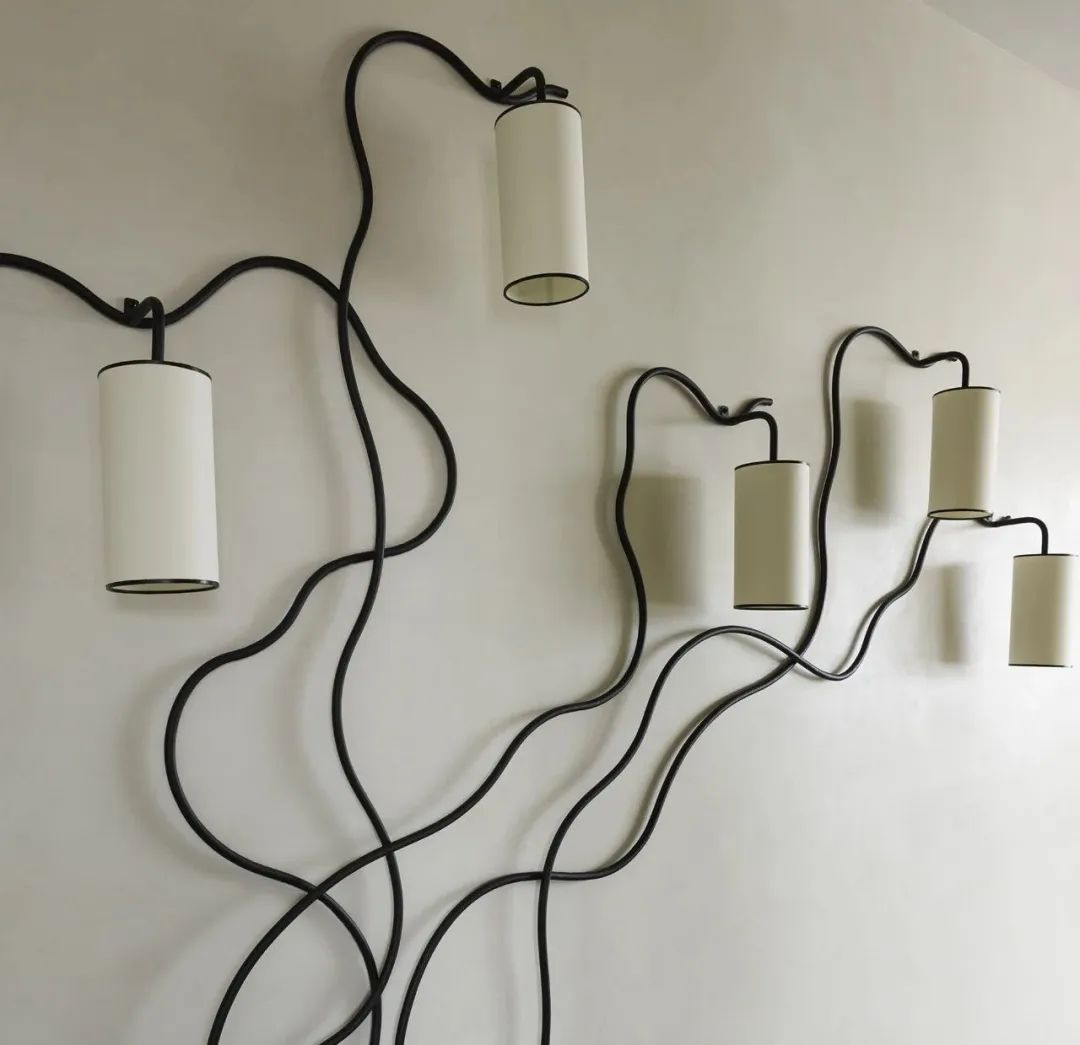
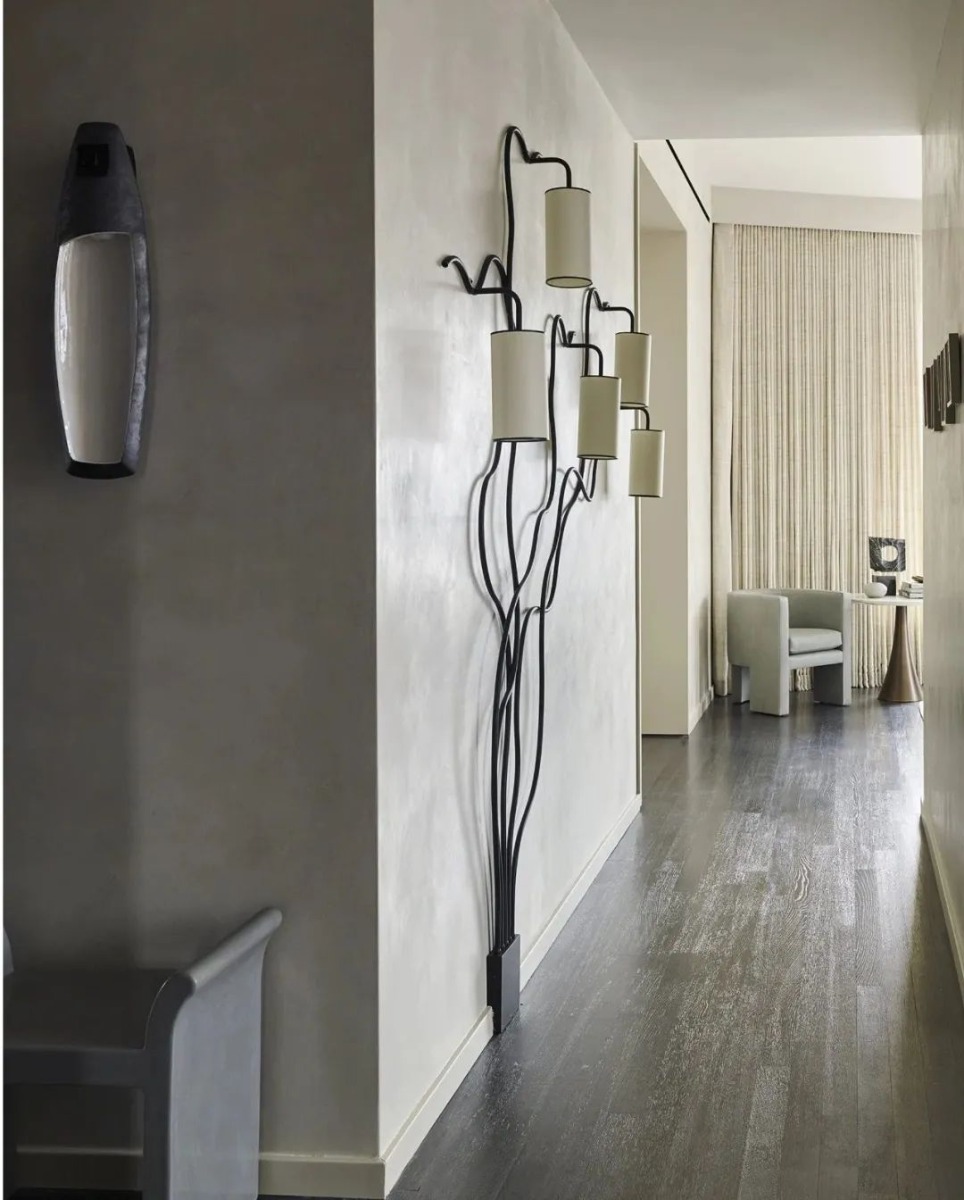
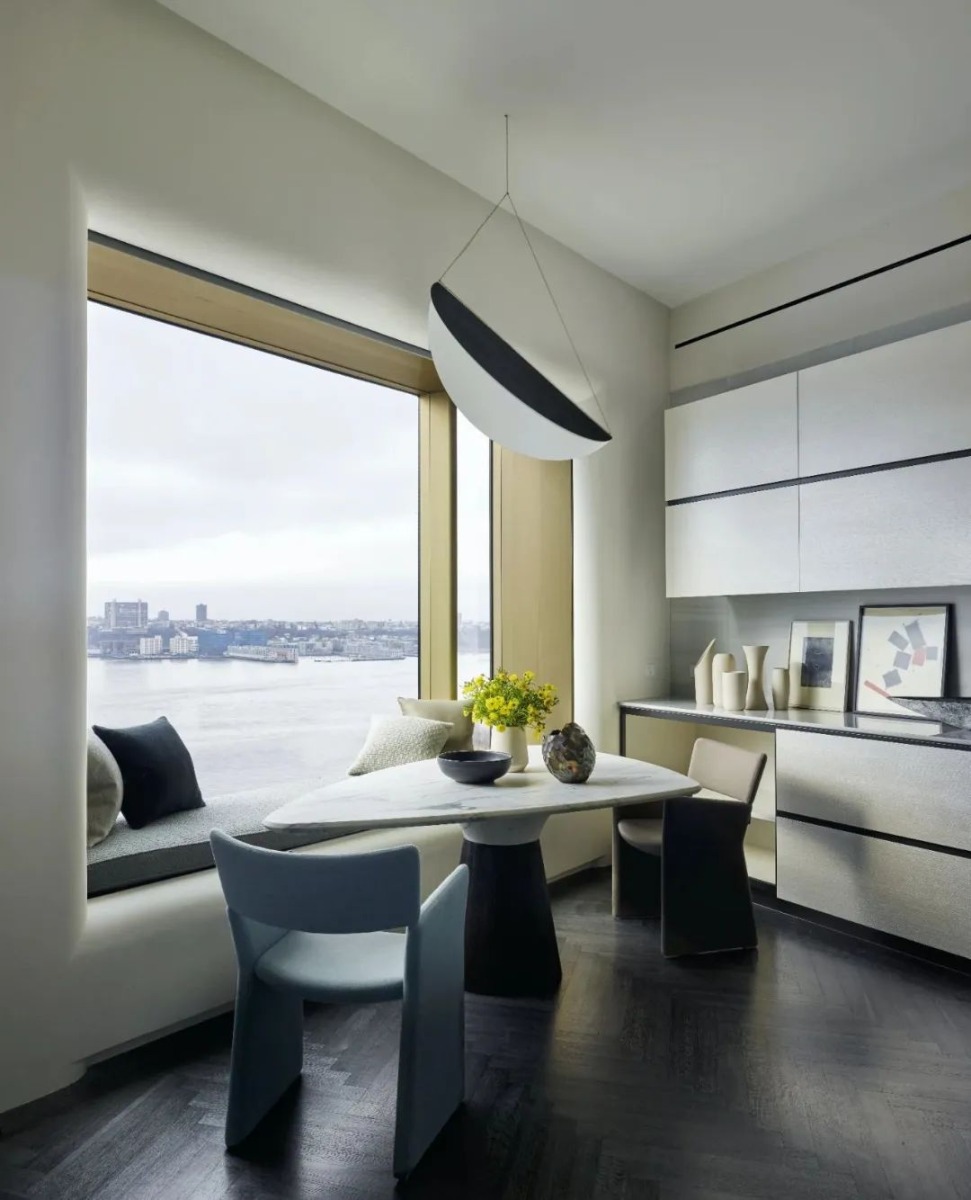
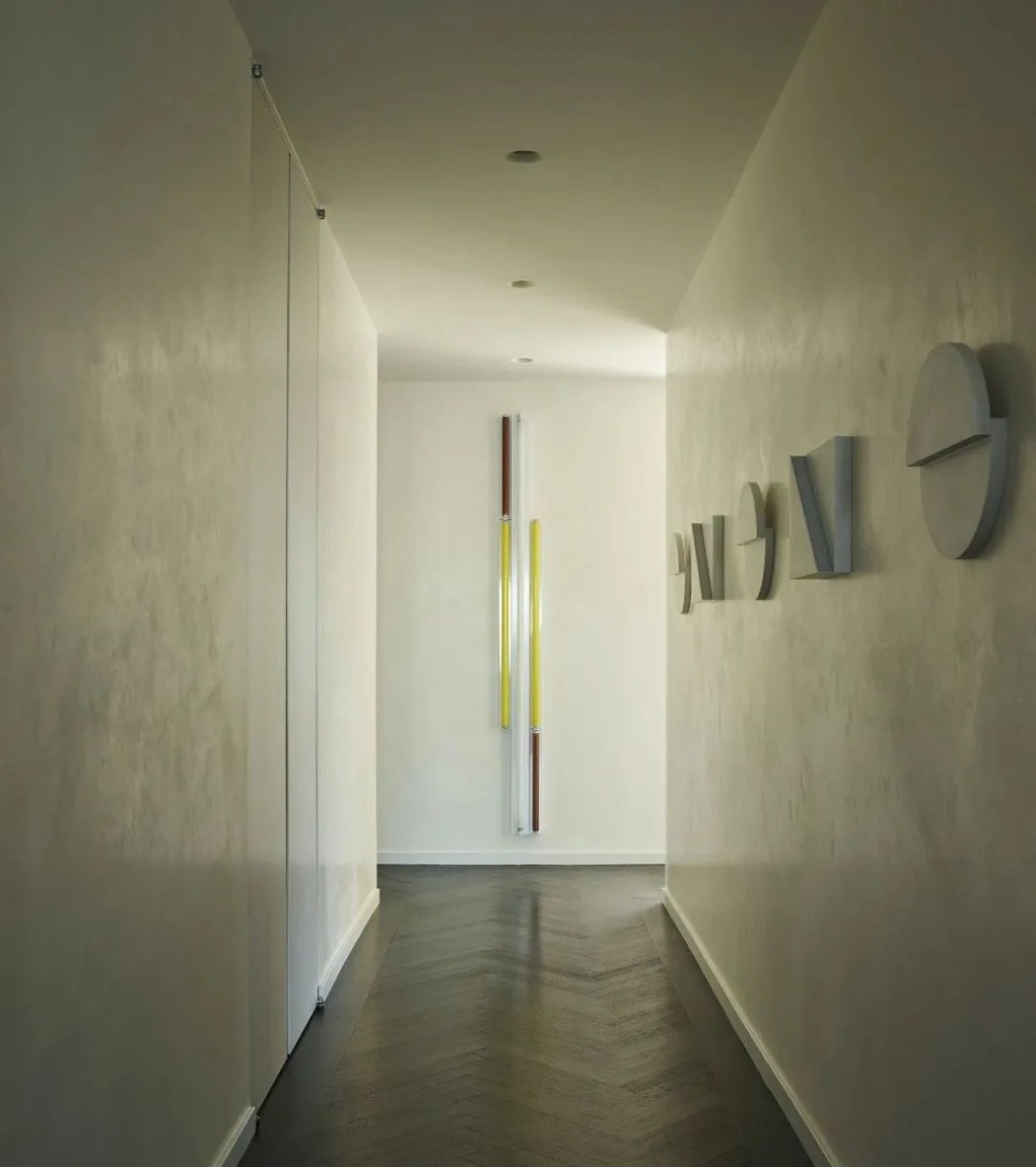
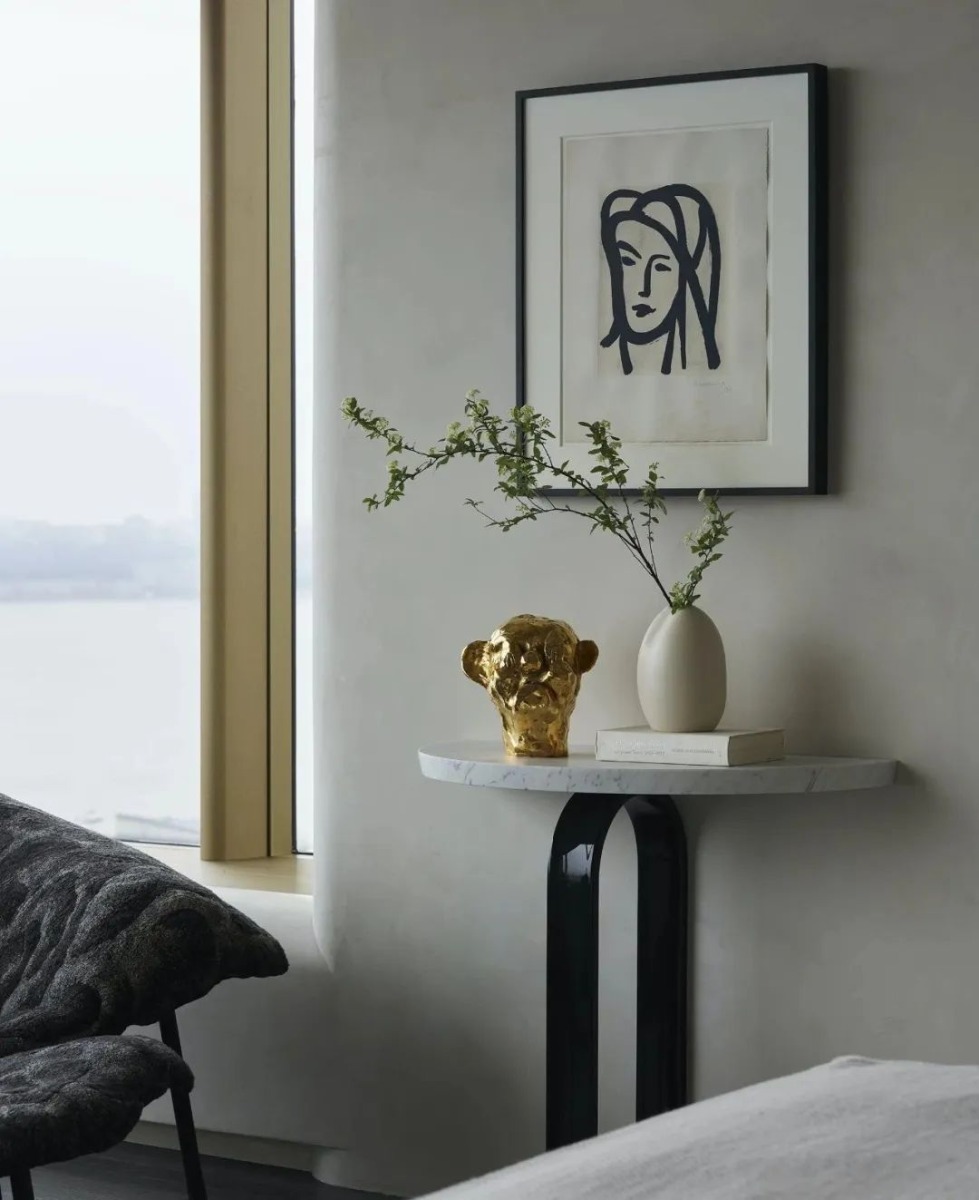
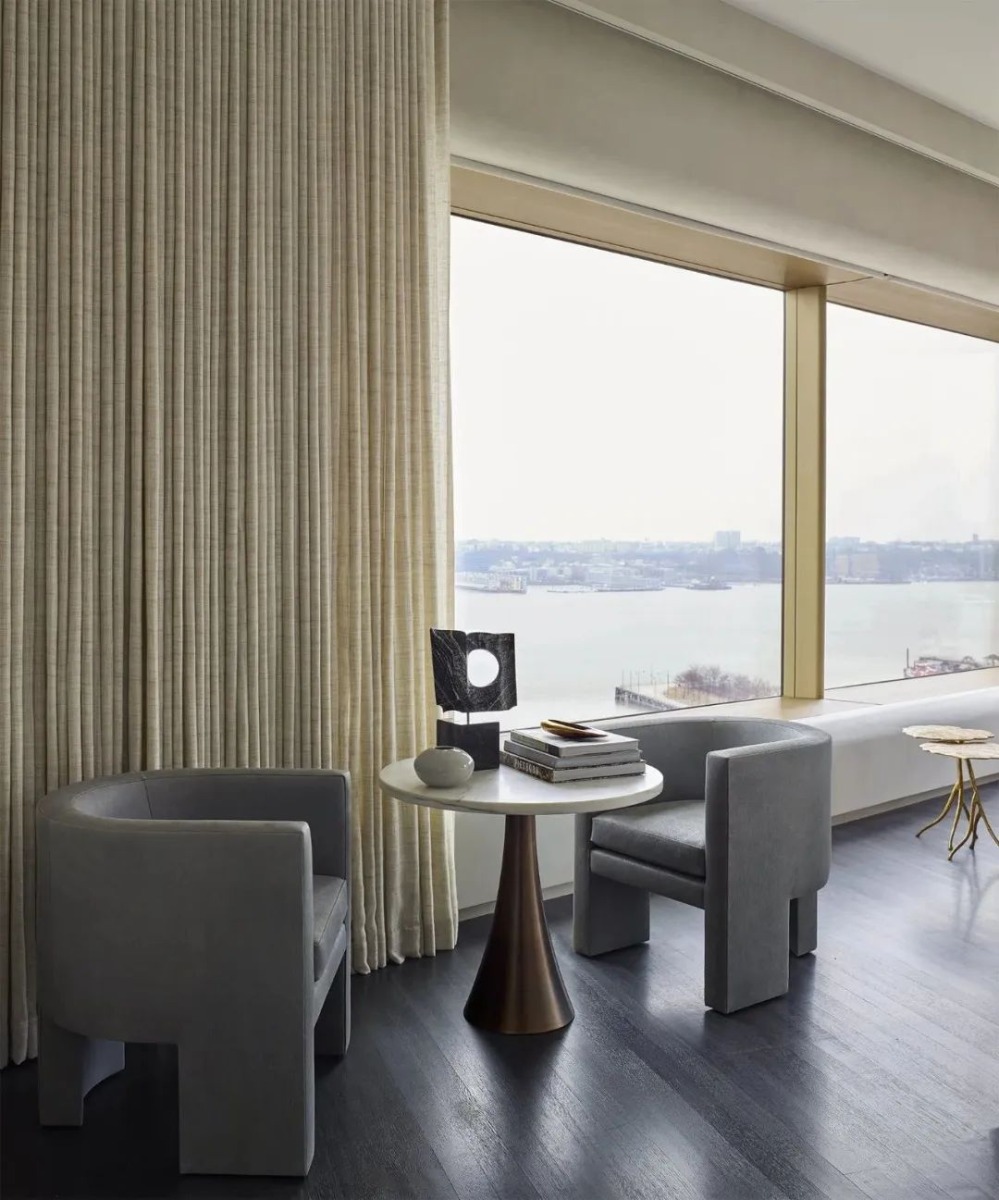
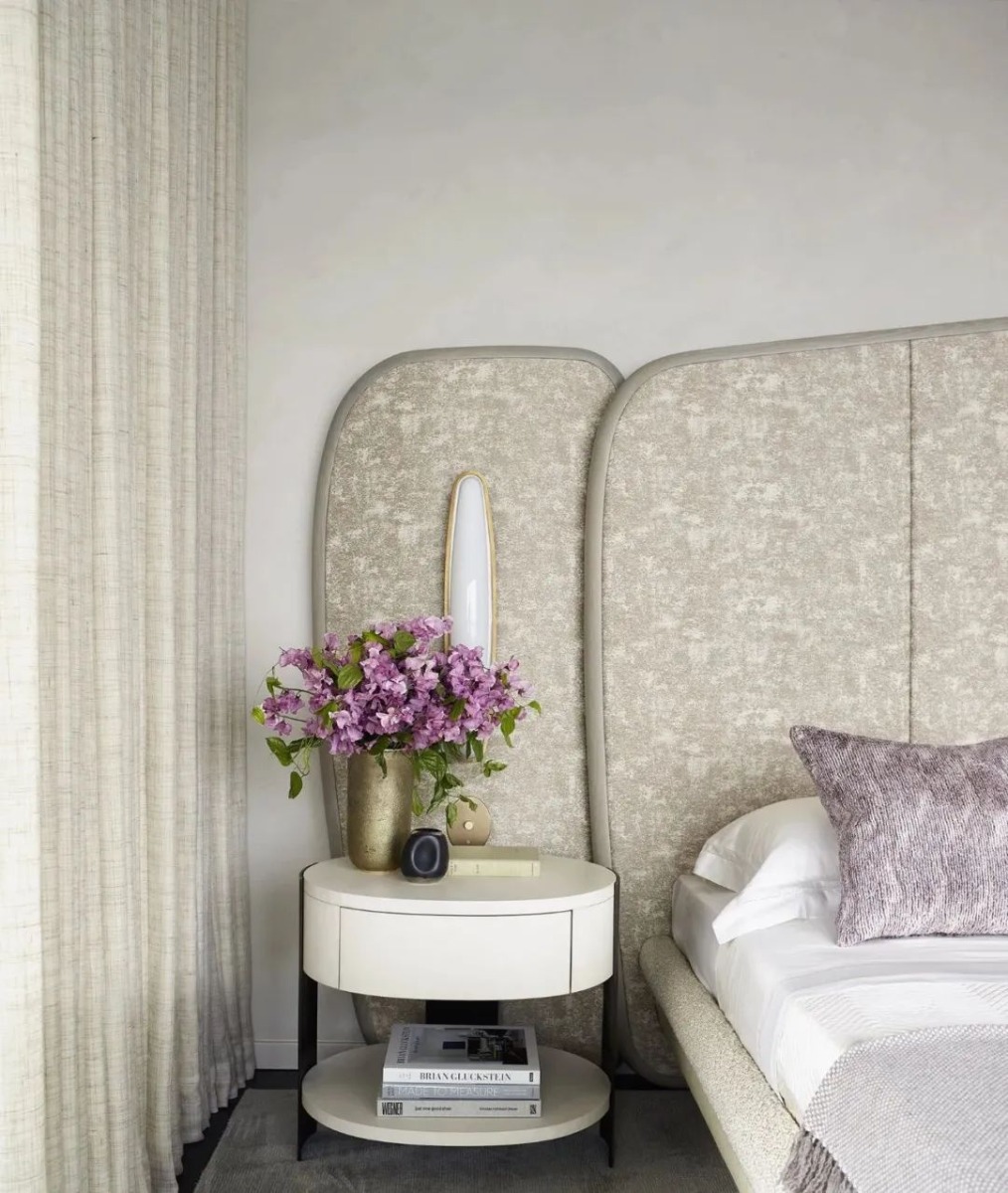
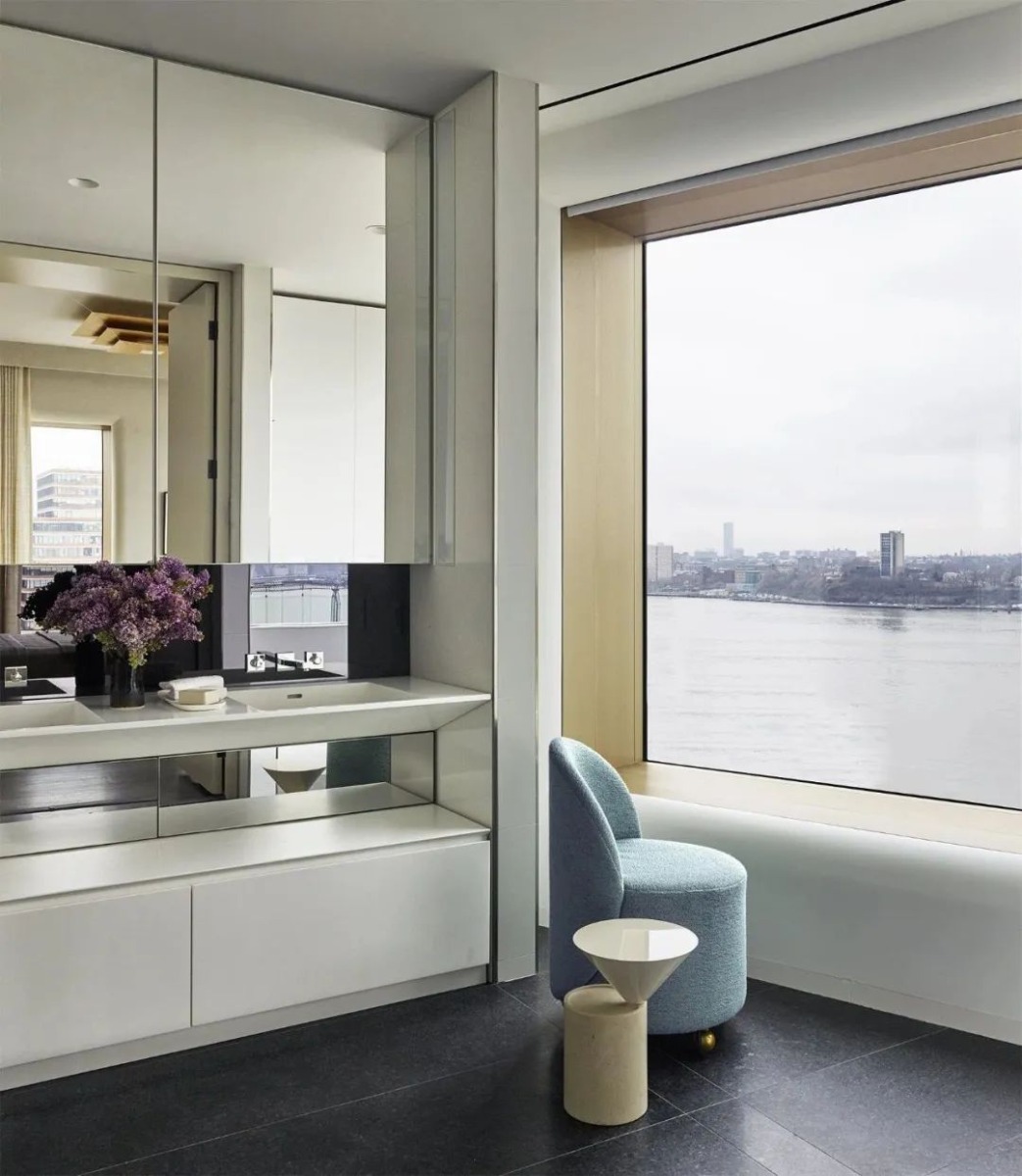
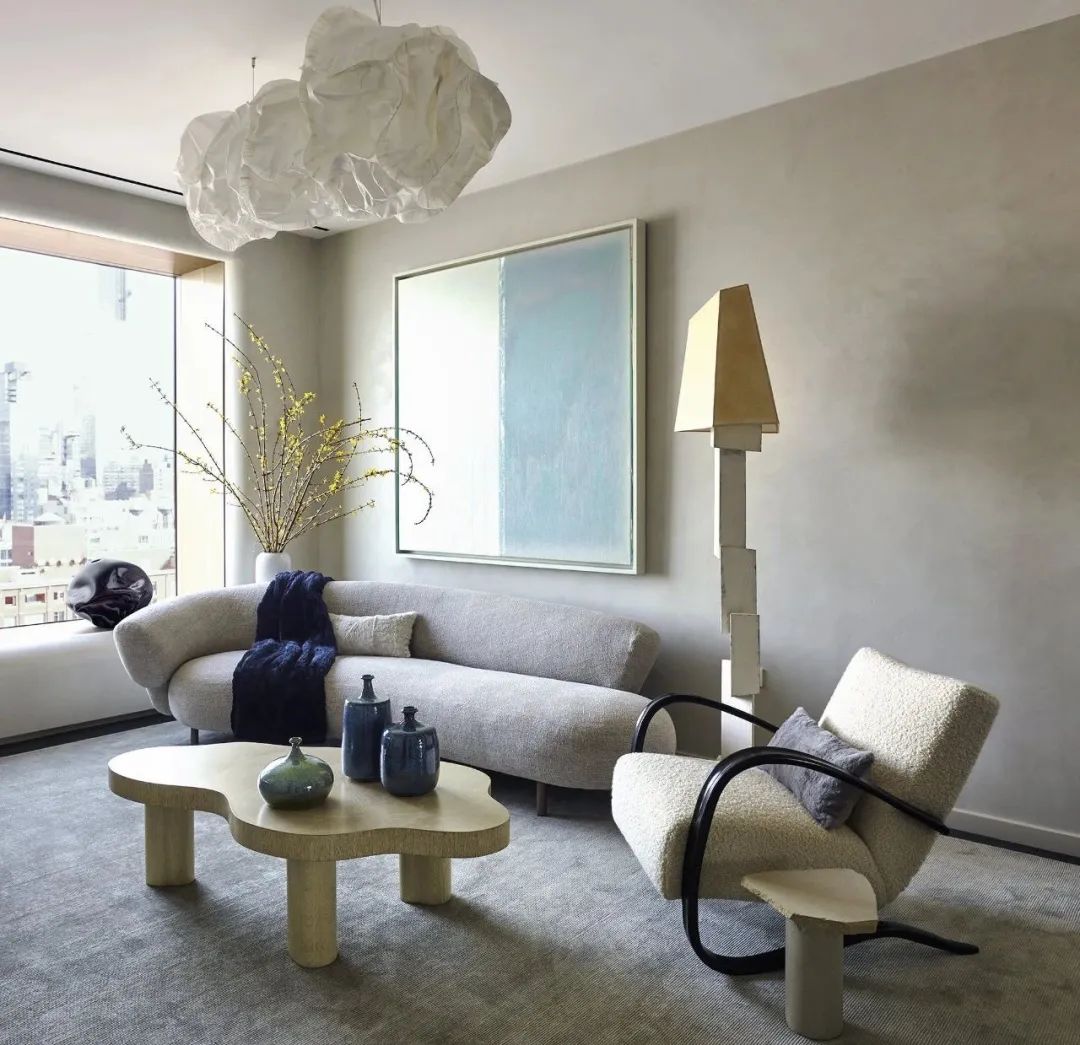
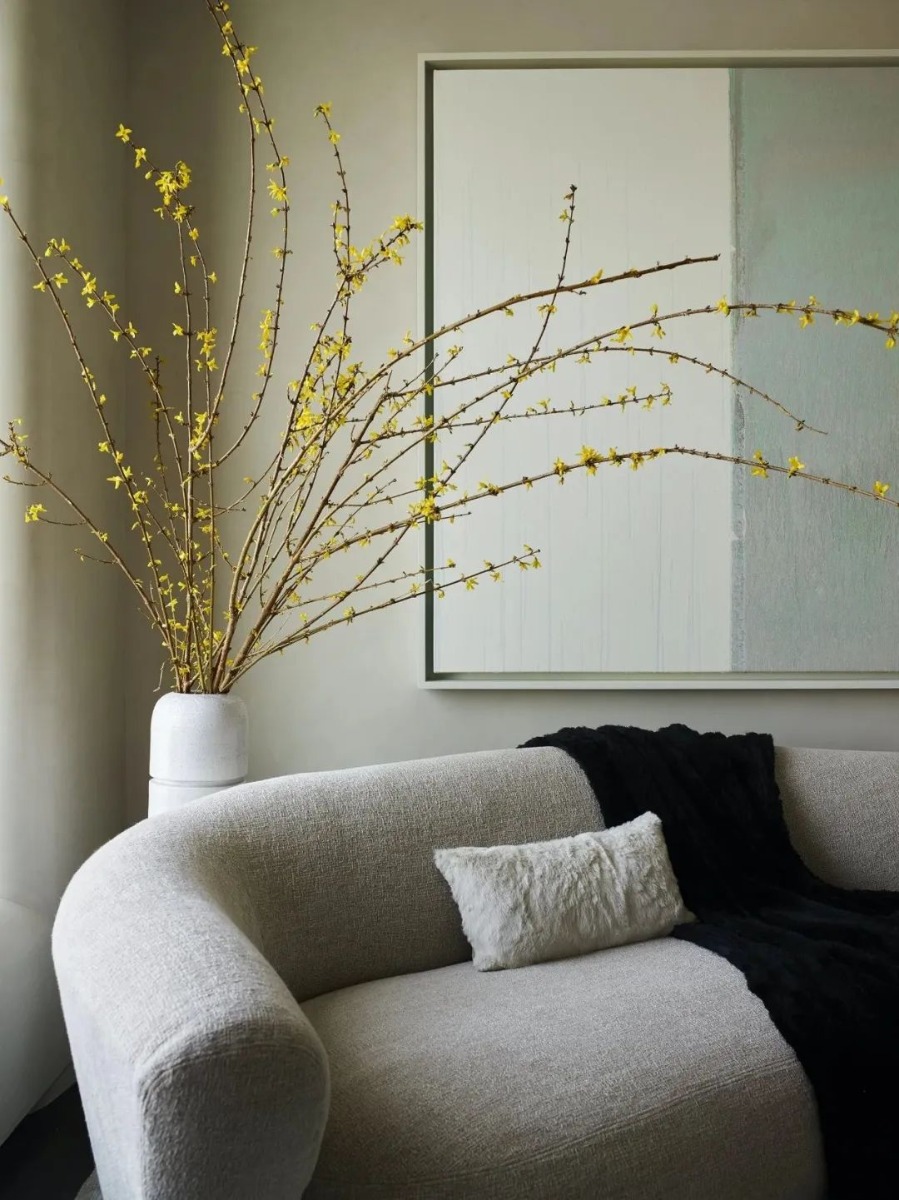
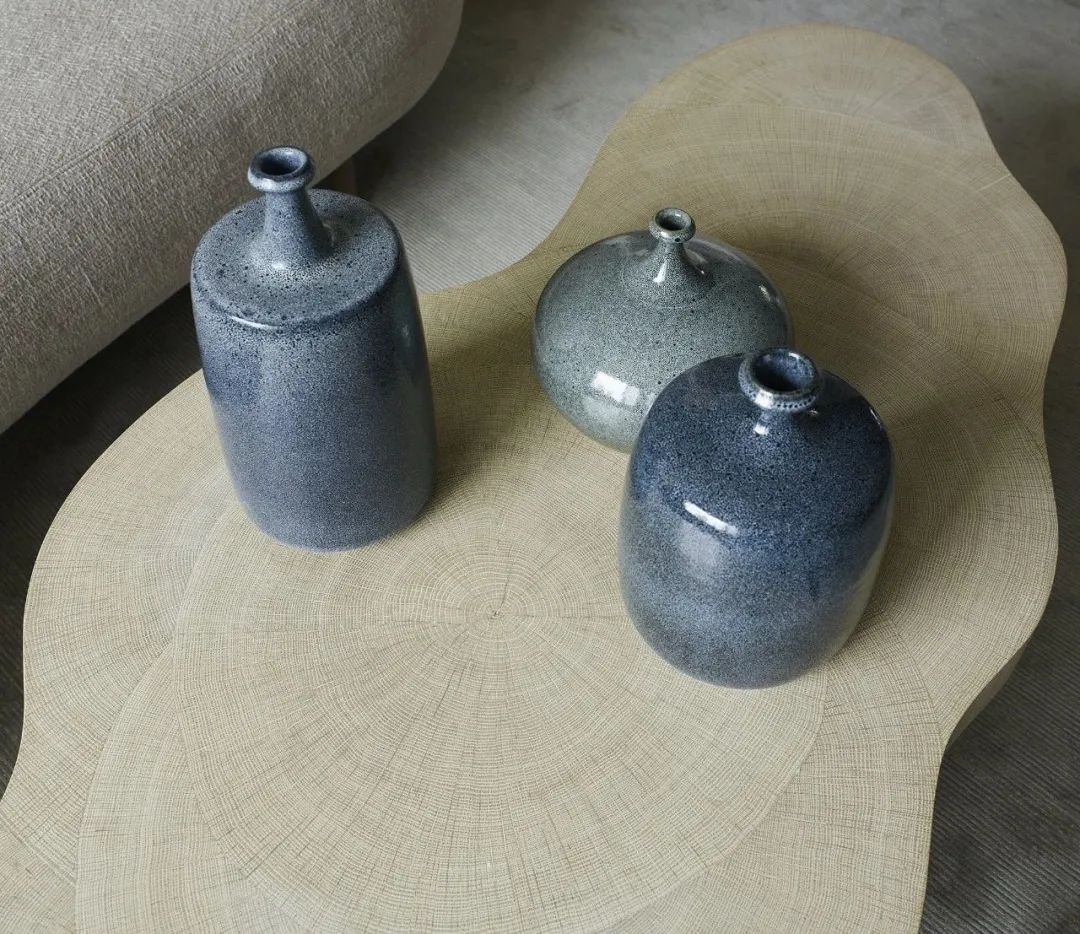
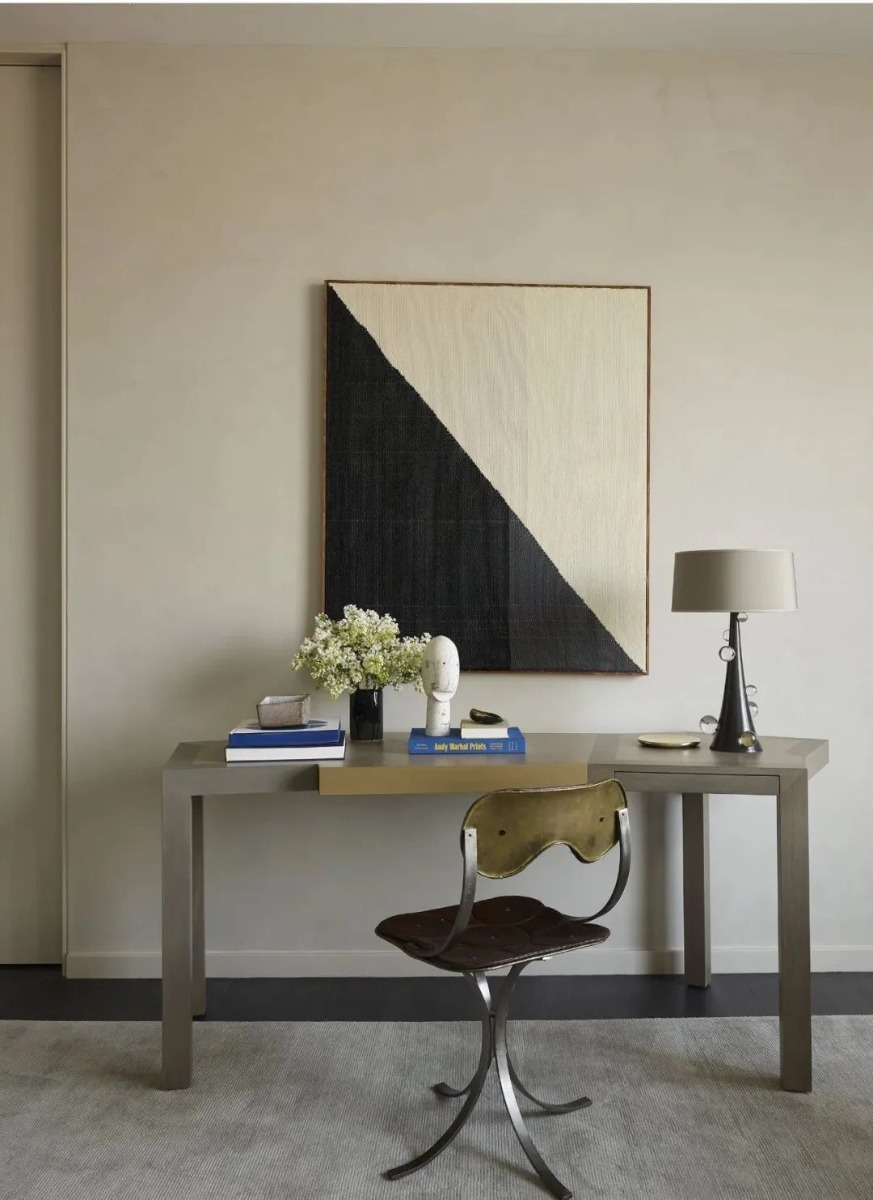
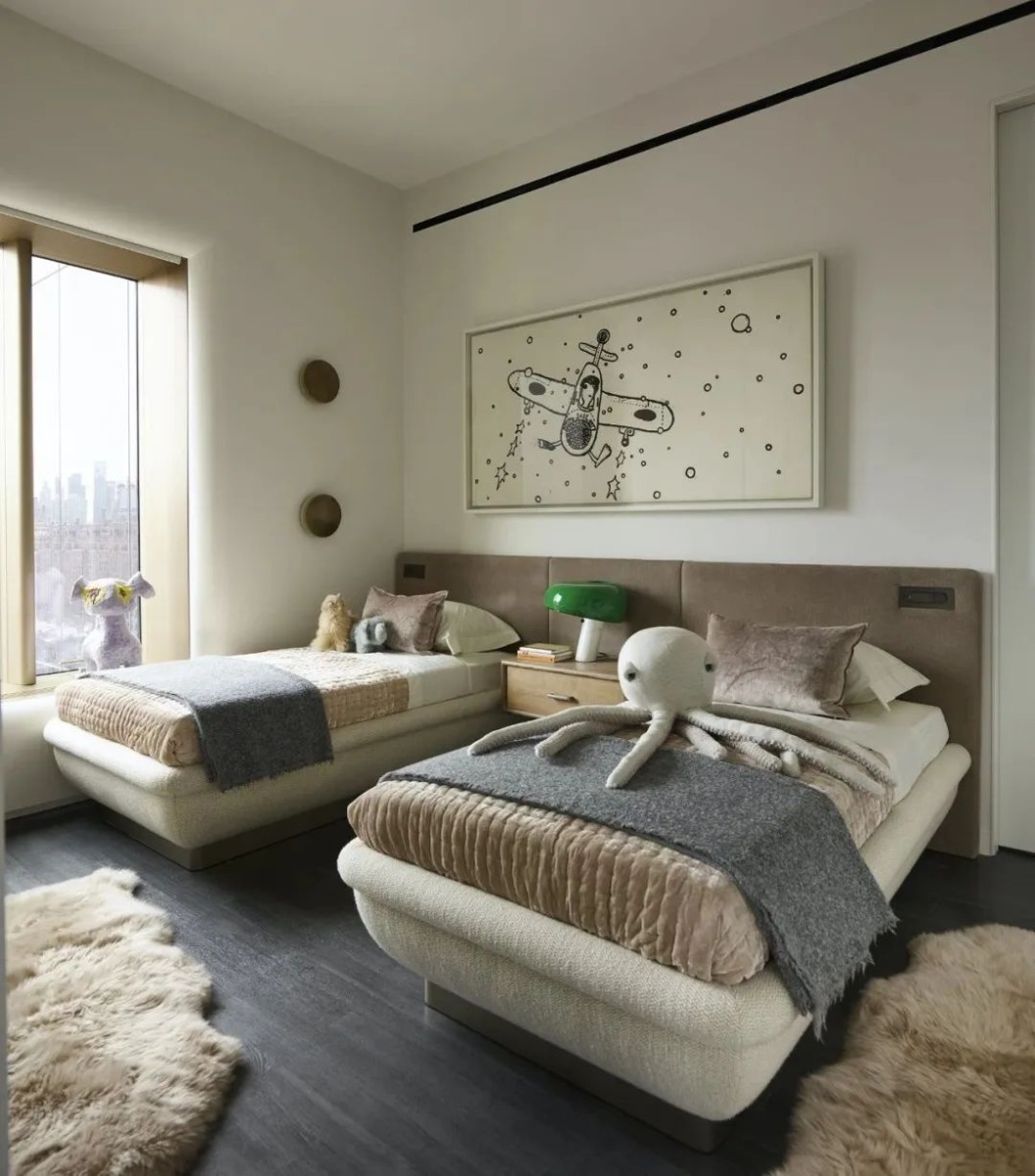
At 551 West 21st Street, GRADE created this 4,300 SF art-filled pied-à-terre and curated a collection of modern art specifically for the residence, skillfully weaving pieces into the interior design and renovation of spaces. Located on the edge of the Chelsea Arts District, inside the masterly designed residential building by Sir Norman Foster, GRADE echoes exterior architectural elements in the personalized details throughout the apartment interiors. Custom features are found in the library, dining room and gallery: upholstered wall panels, decorative display niches and a suspended, suede-wrapped canopy. Tapping into the neighborhood culture and essence, GRADE carefully selected furnishings, lighting and works of art from galleries and artists around the world to create an immersive, artful residential experience set to panoramic city views.
02Tribeca Loft
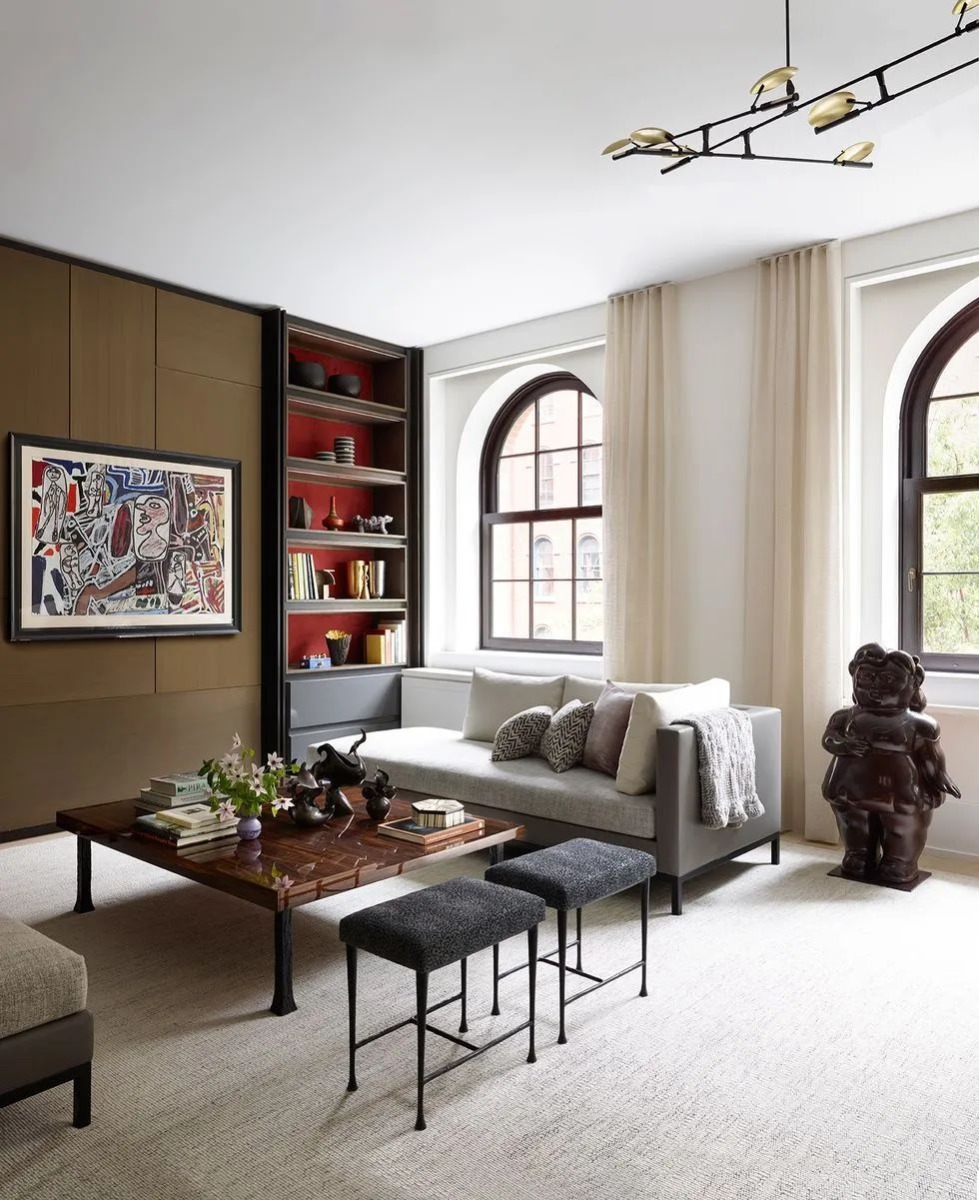
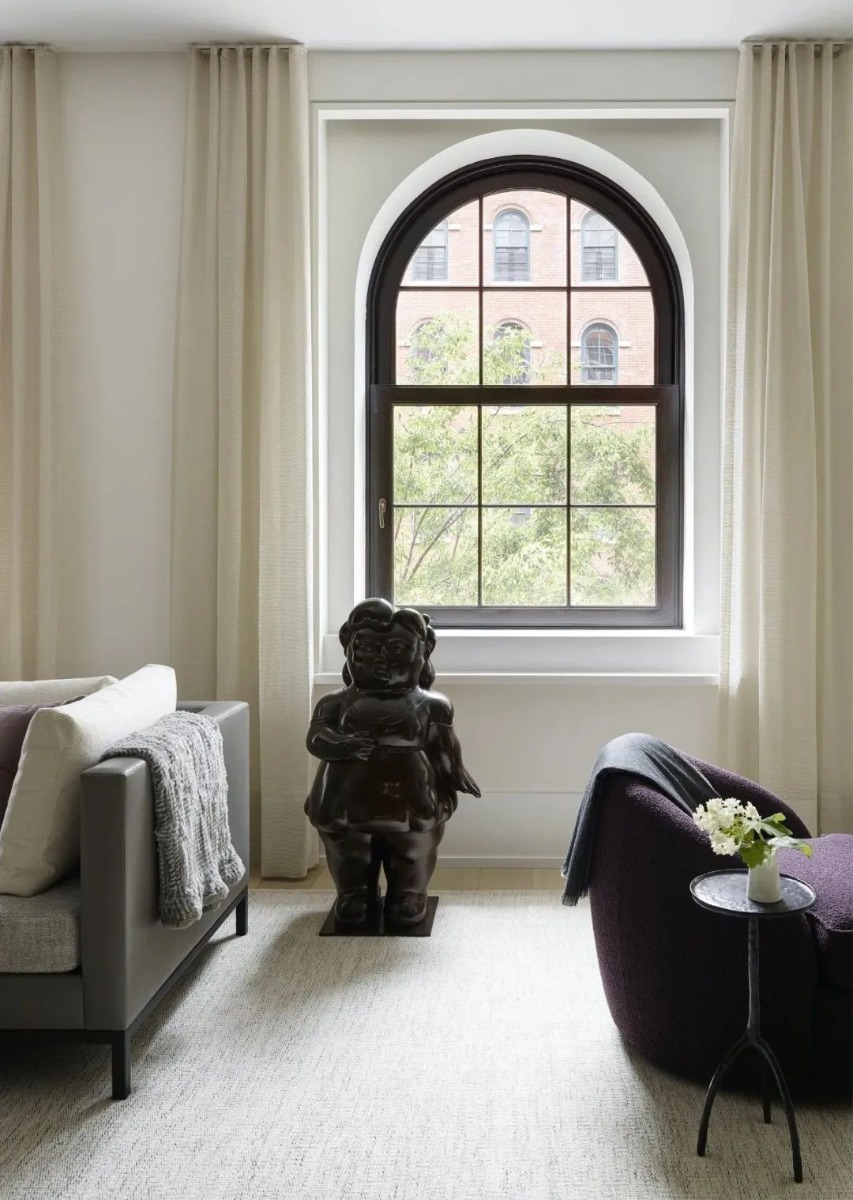
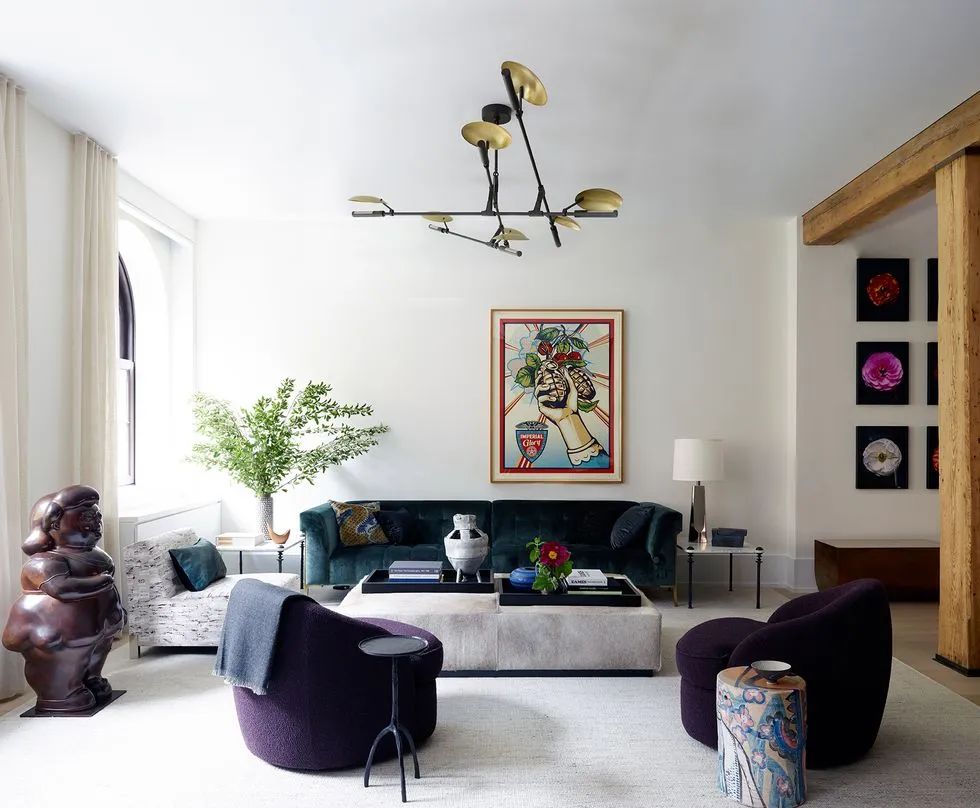
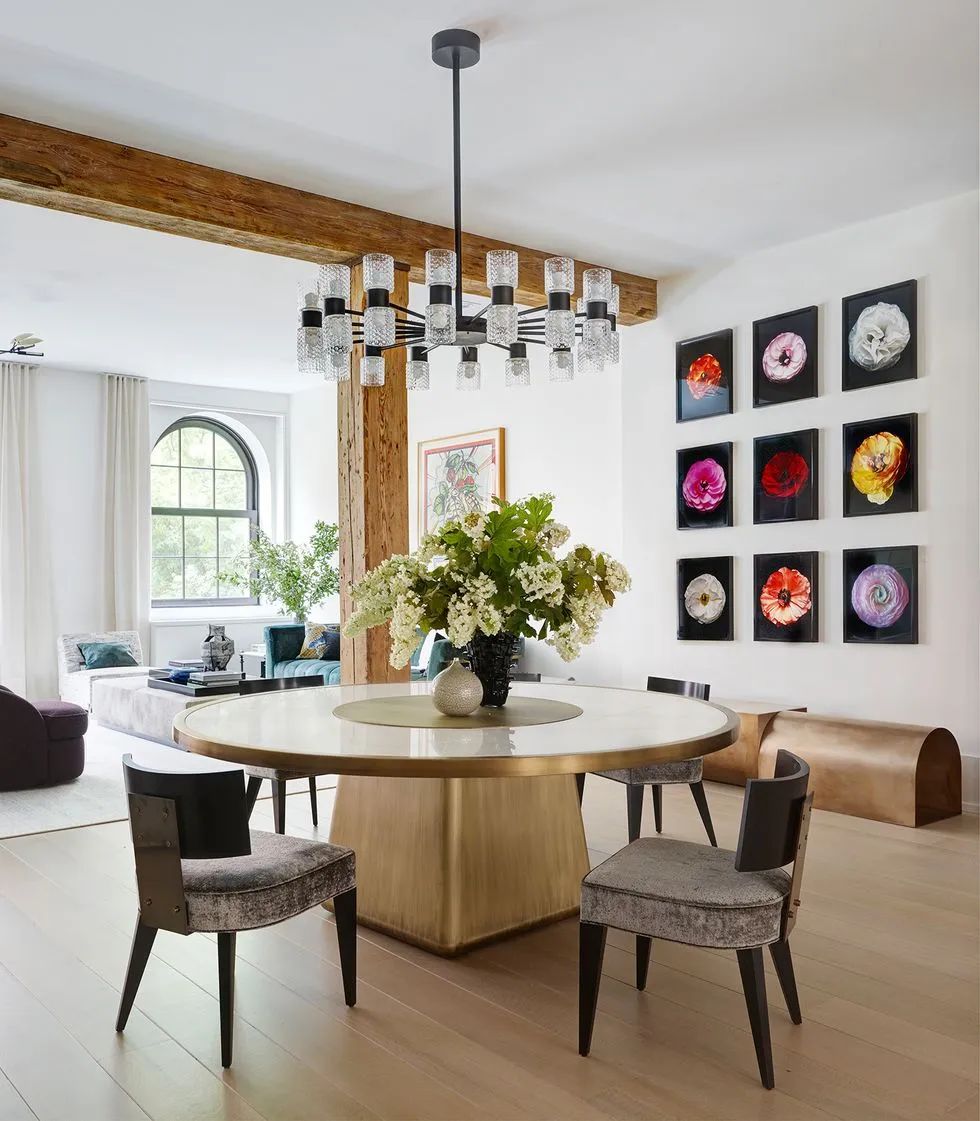
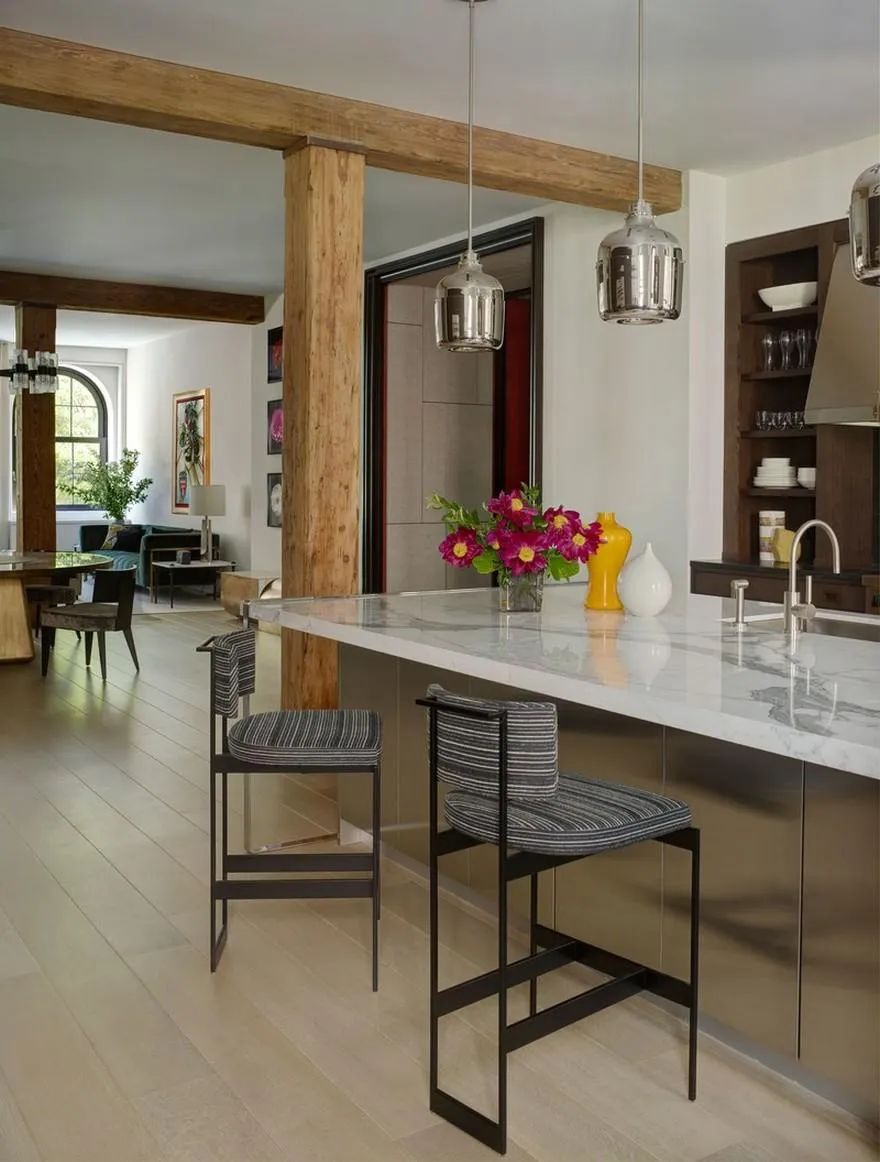
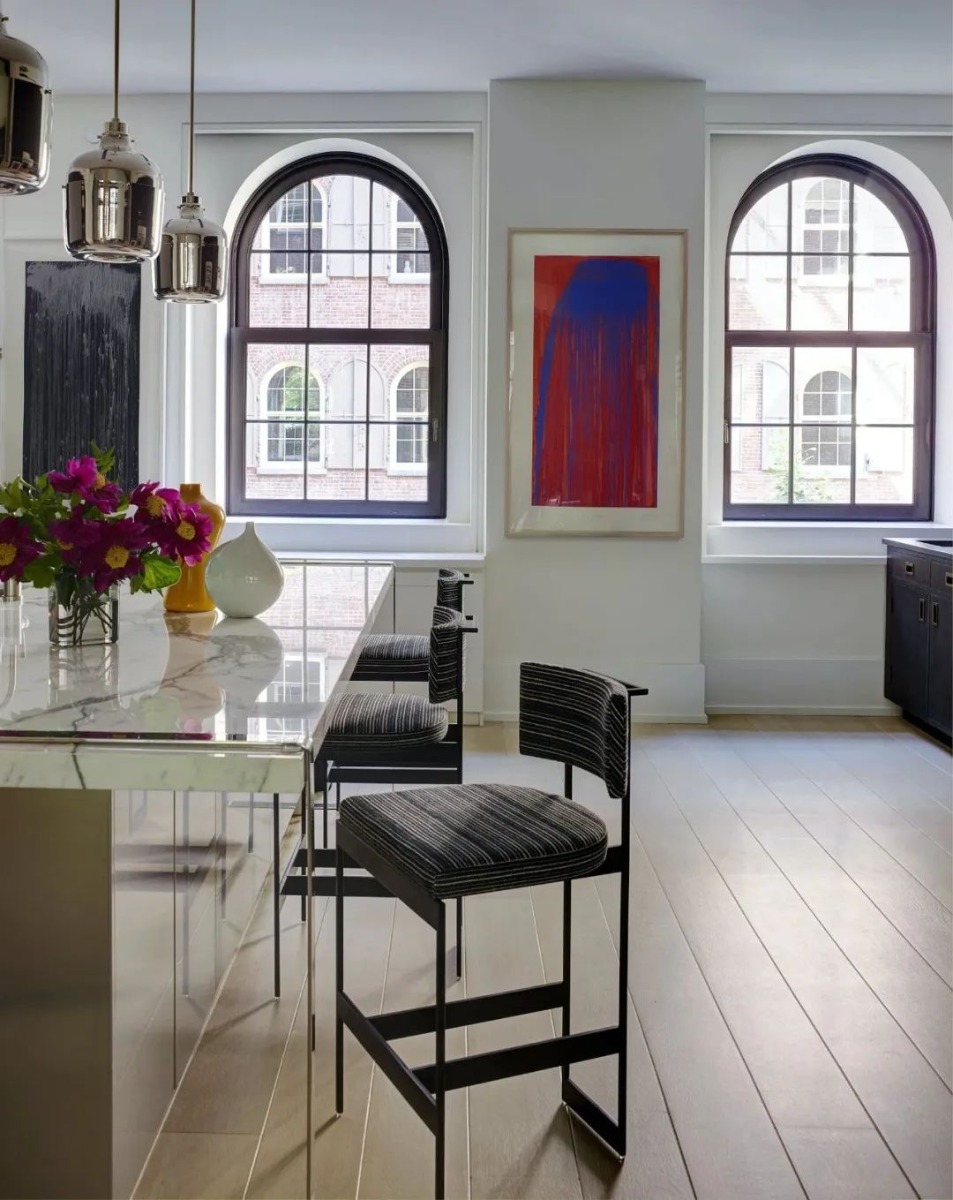
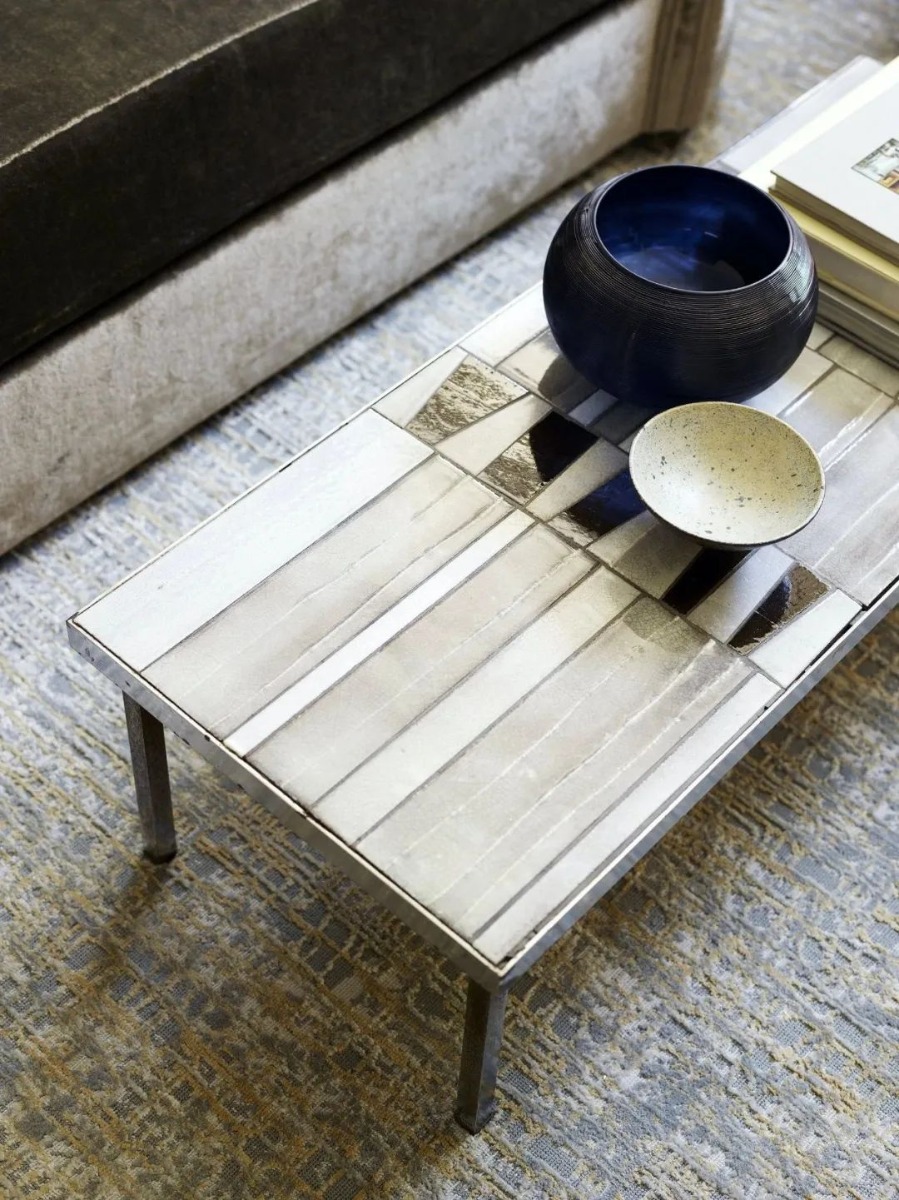
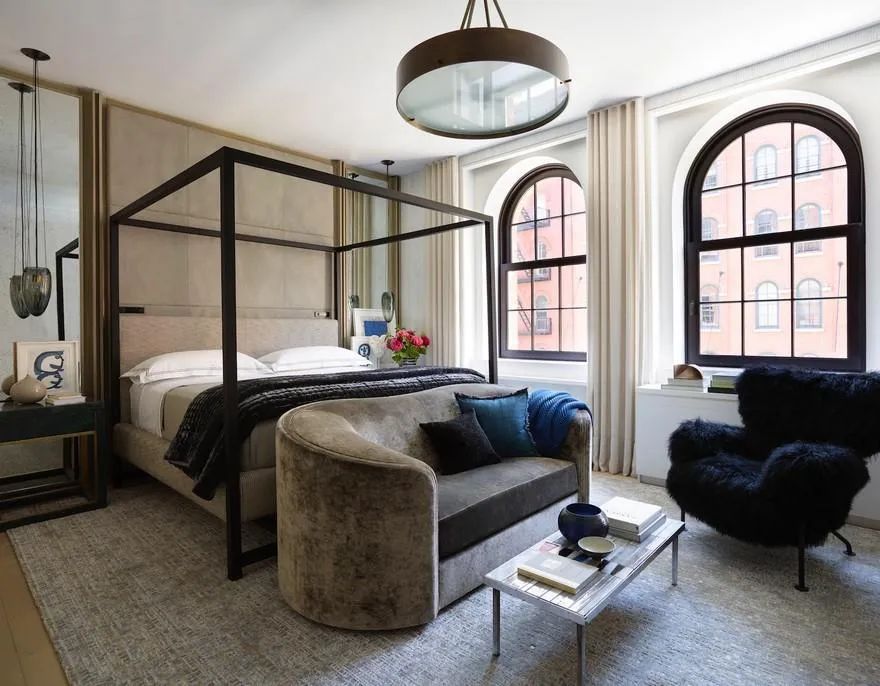
Featured in Architectural Digest, GRADE transformed a 3,400 SF white box loft into a bold, art-filled pied-à-terre through the use of modern art pieces, inspired detailing and finishes, and eclectic furnishings. GRADE aimed to soften the rigid architecture of the space and decorative wood beams using creative applications of color with a mix of softly curving, feminine forms and vibrant works of art. Intriguing accents in purple, red, and green in the open plan living areas create a dynamic environment and balance the masculine architecture with a modern aesthetic. Subtle homage is paid to the building’s industrial past with bespoke pieces, juxtaposing contemporary materials with classic patterns and textures and hinting at the evolution of the surrounding Tribeca neighborhood.
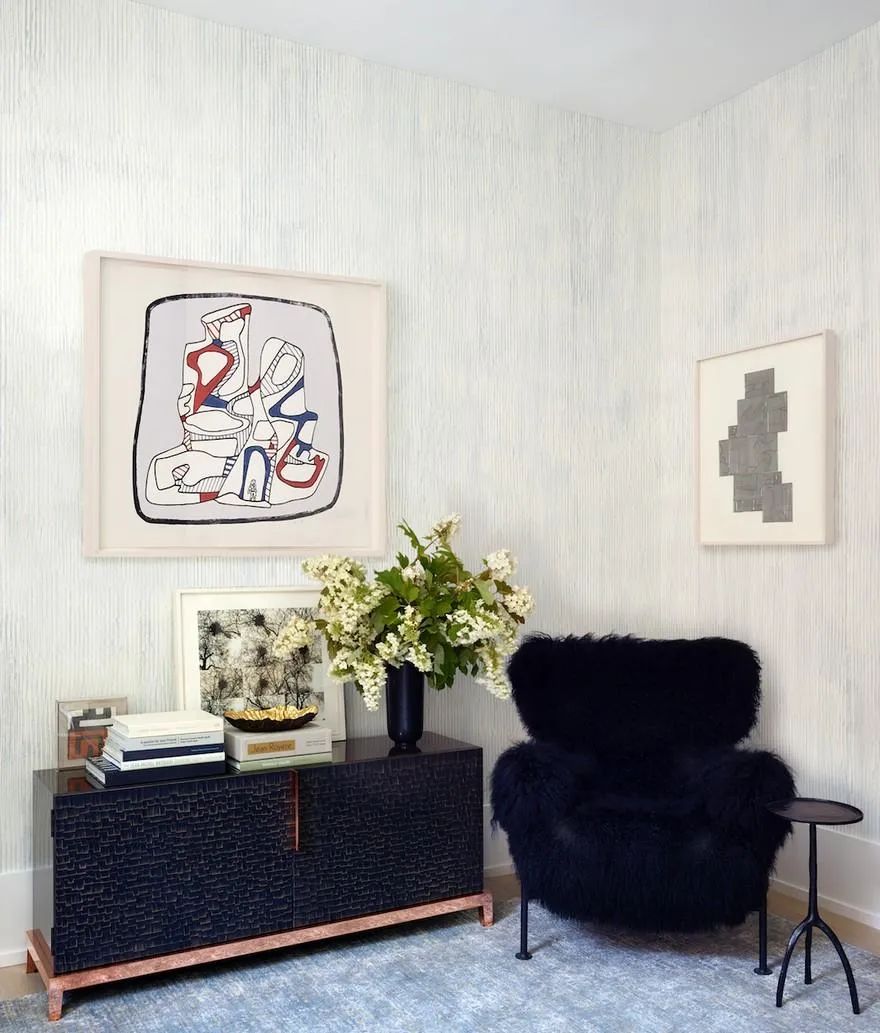
03
Madison Avenue Duplex
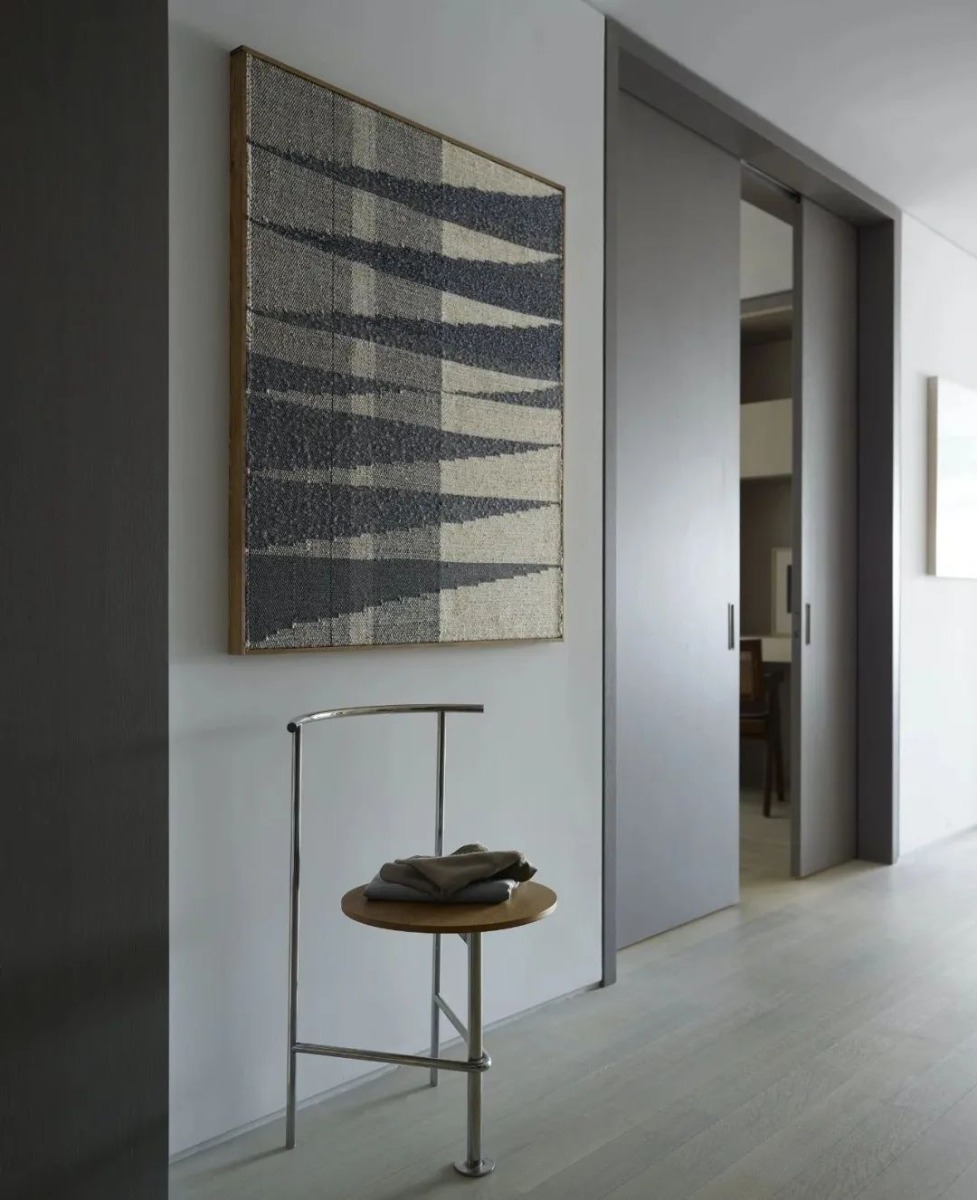
Completed in Winter 2018, this 2,100 SF duplex residence was re-imagined for GRADE Partner Edward Yedid and his wife. Situated within a post-war building on Manhattan’s posh Upper East Side, their home underwent an extensive gut renovation and redesign, transforming the apartment into a modern, sweet and playful sanctuary. In collaboration with the couple, GRADE has blended an eclectic array of contemporary furnishings and décor with calm color palettes, utilizing artful elements to create a uniquely tailored lifestyle experience for Edward and his family. A collection of contemporary art adds color and play to the architectural elements and layered materials with curated pieces from George Condo, Ron Gorchov, Mark Bradford, Richard Prince, Bosco Sodi and Brent Wadden.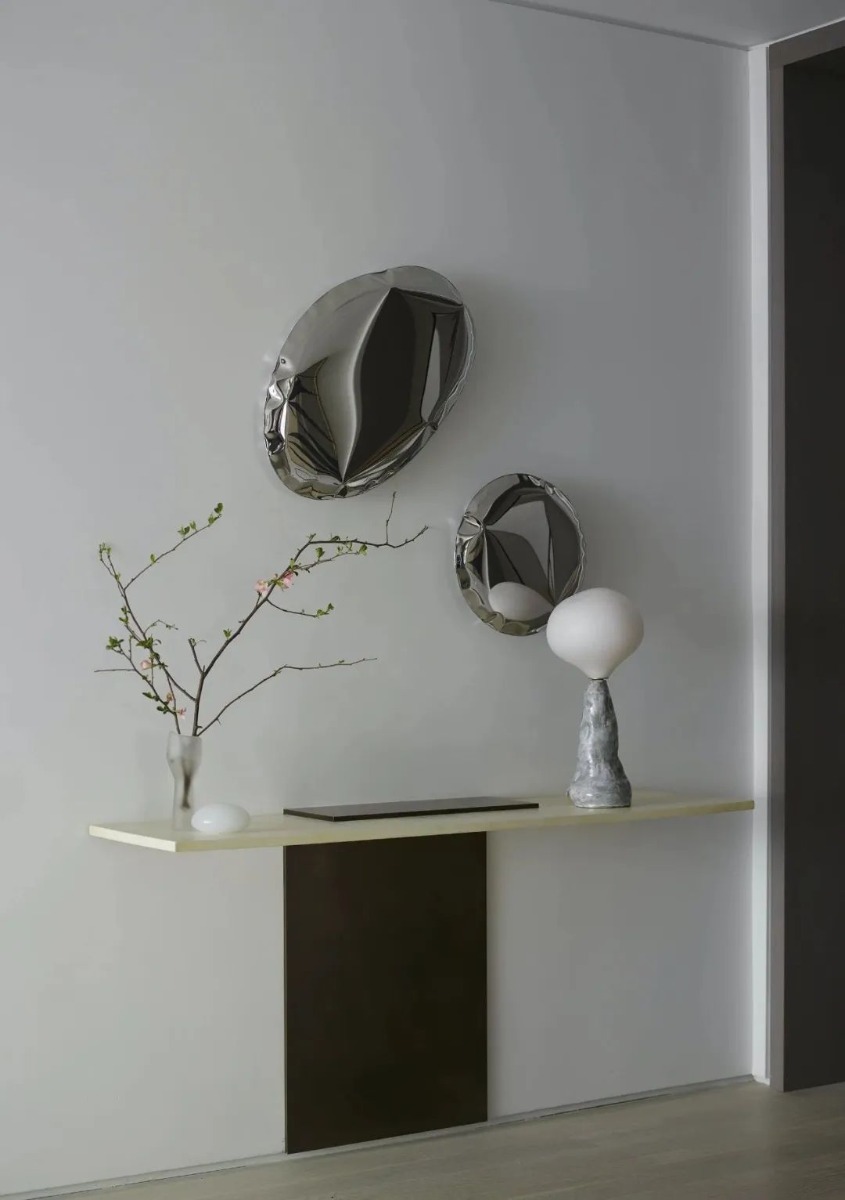
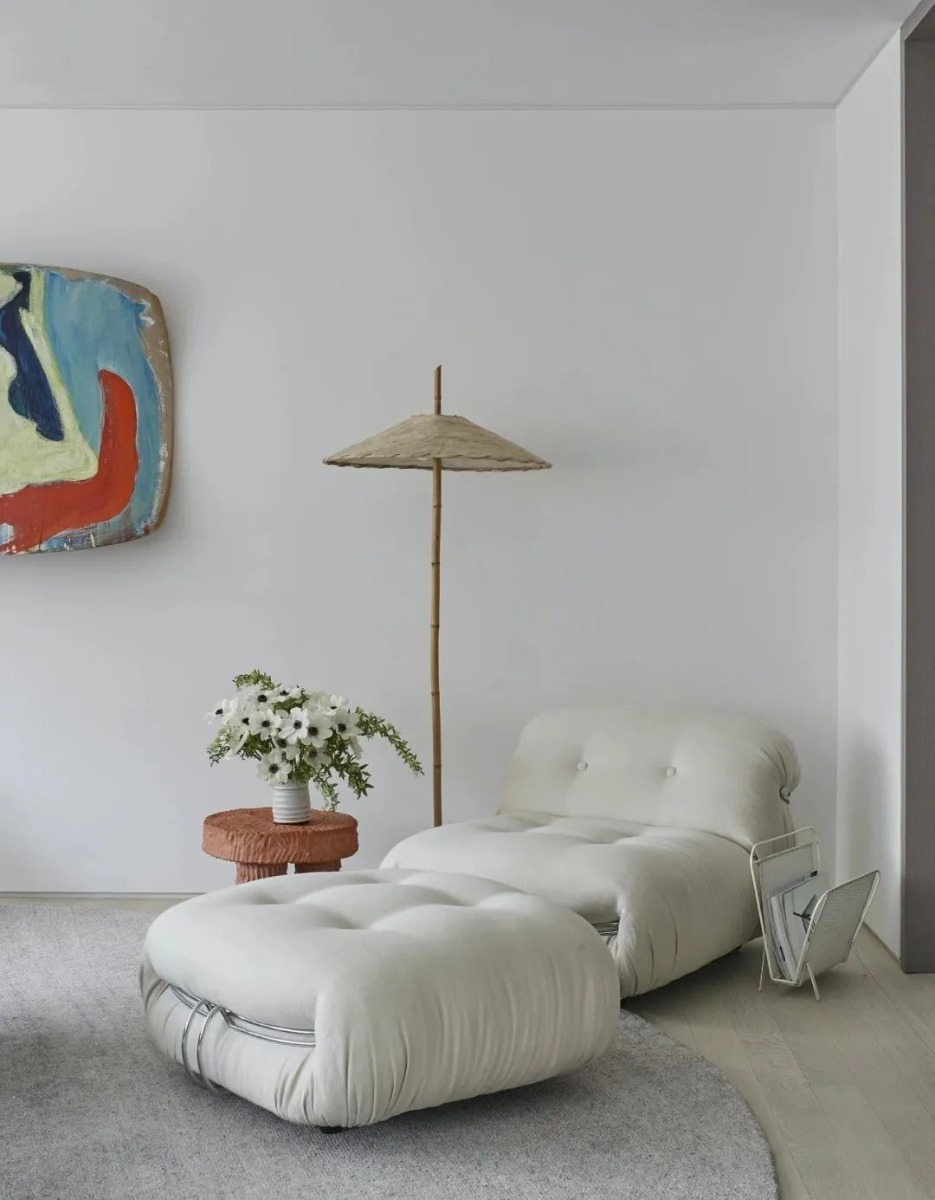
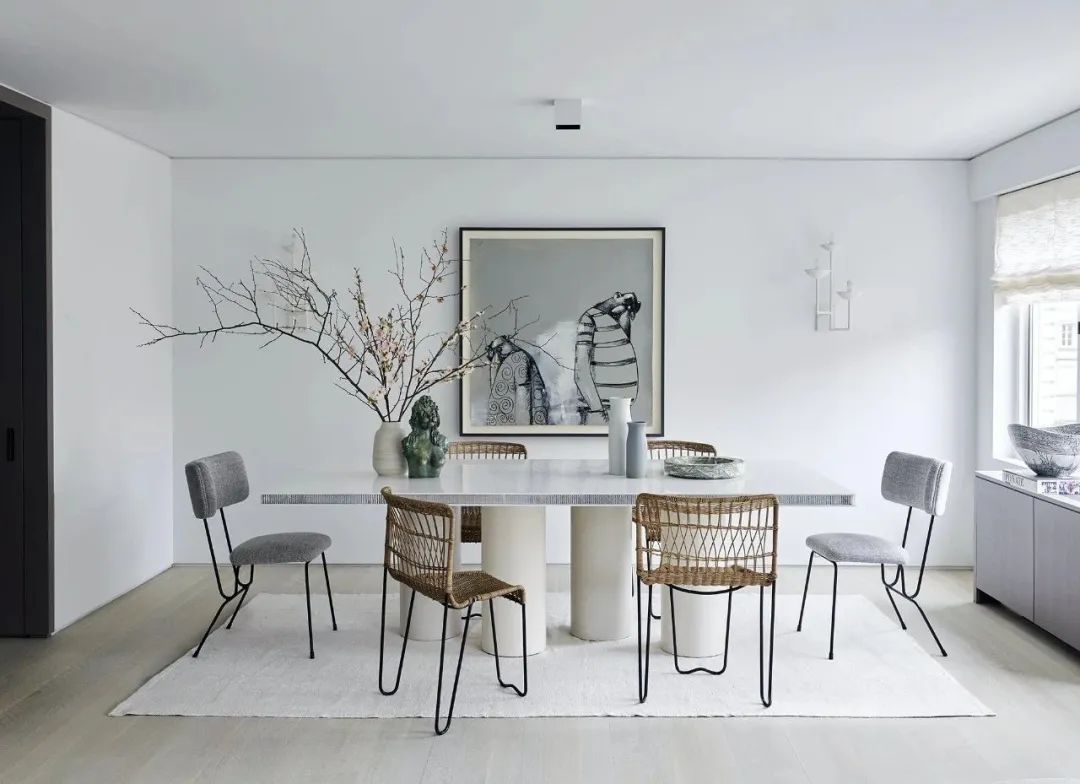
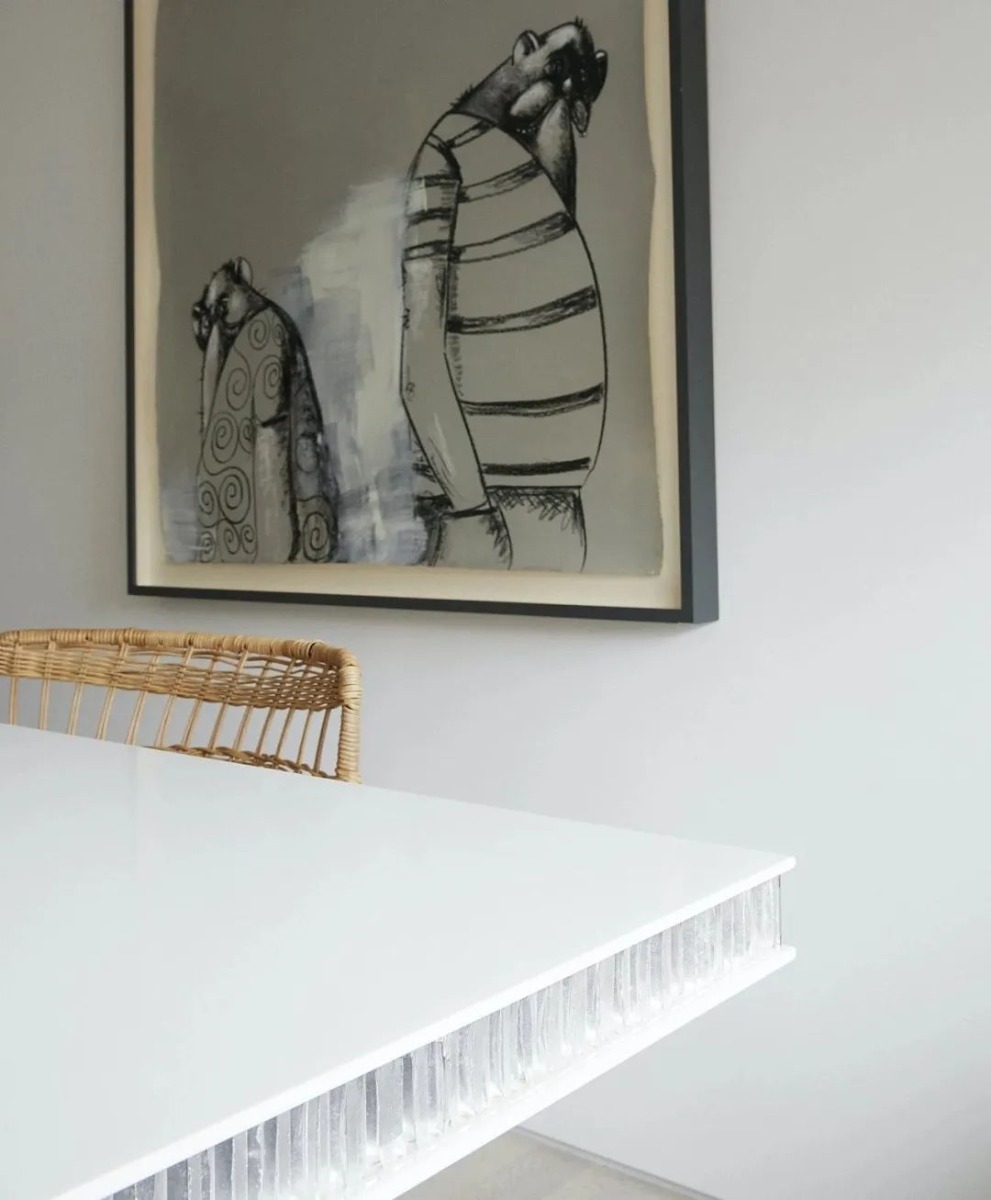
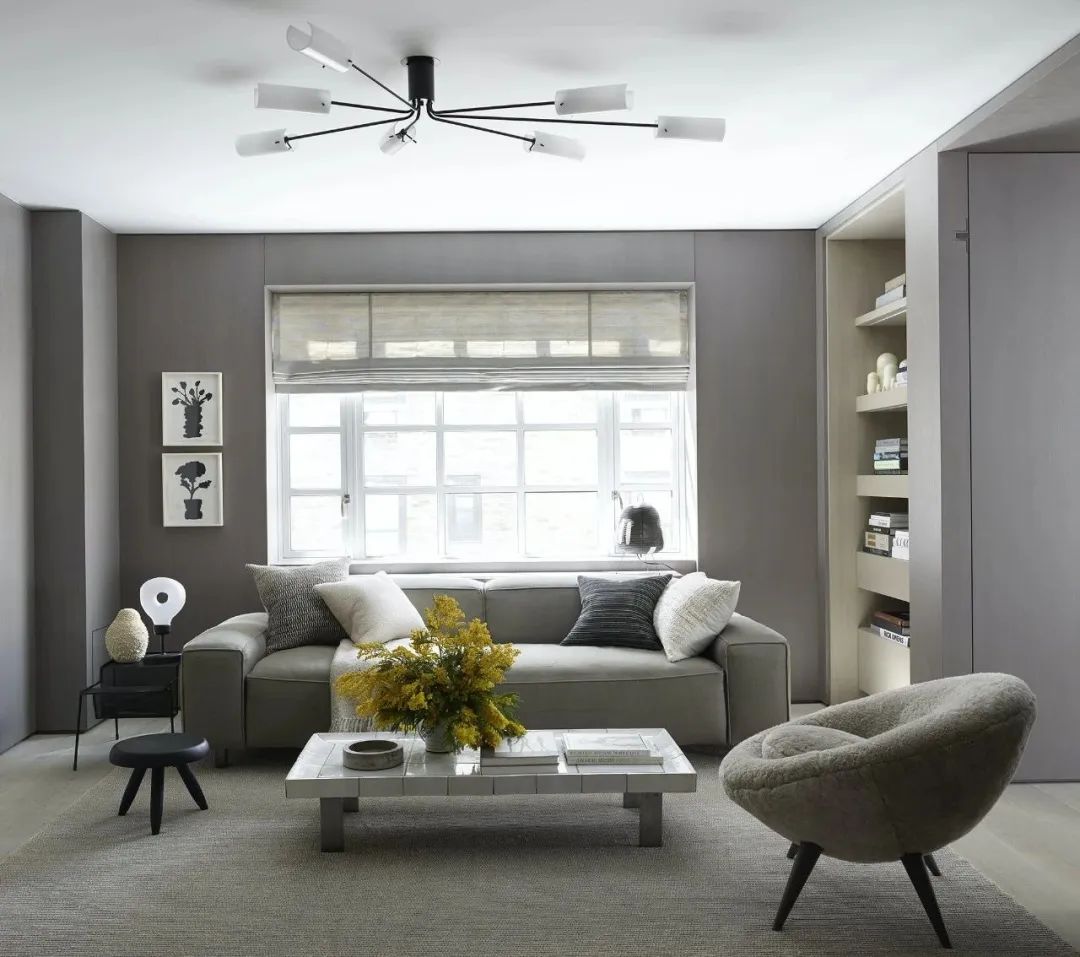
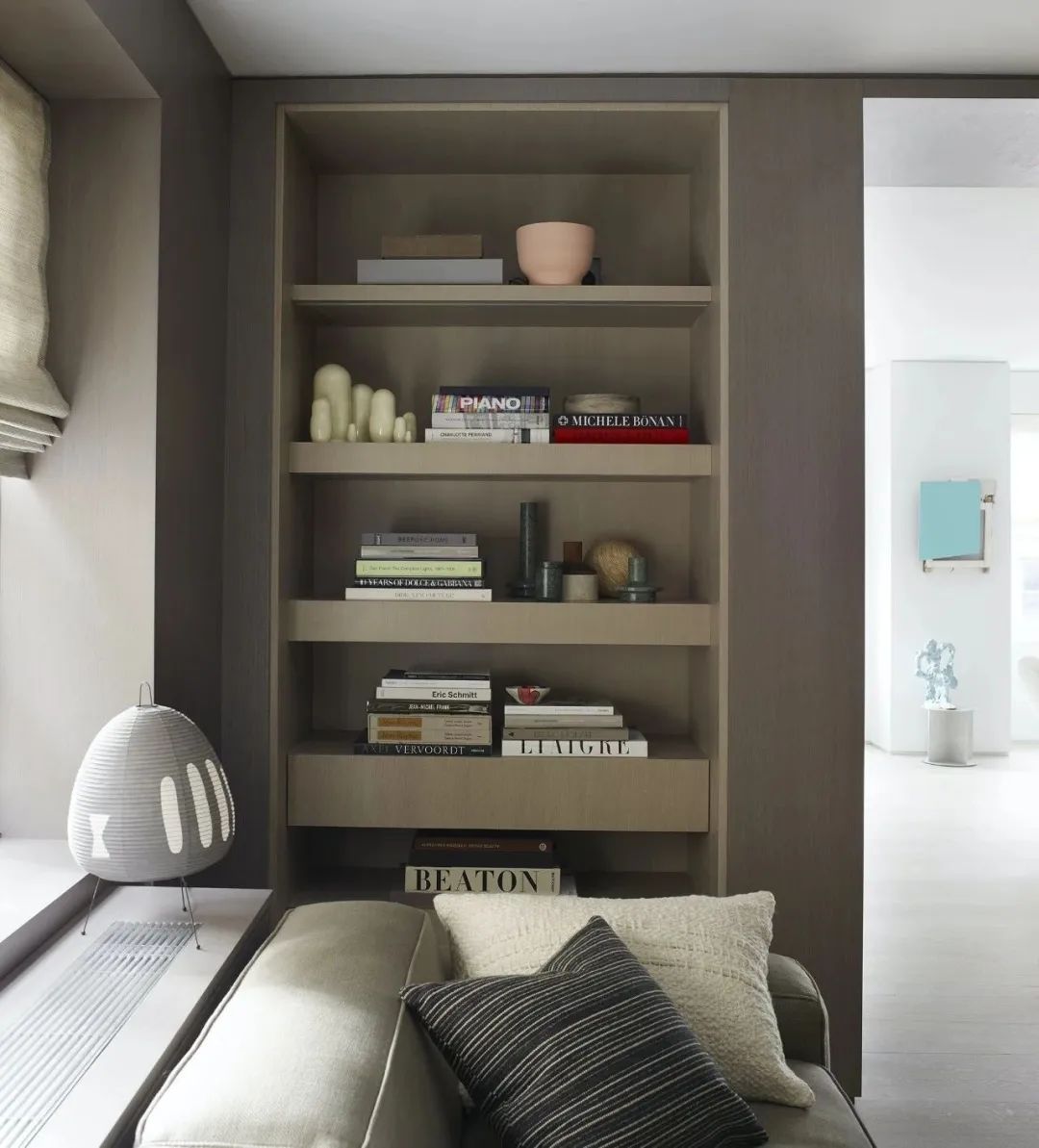
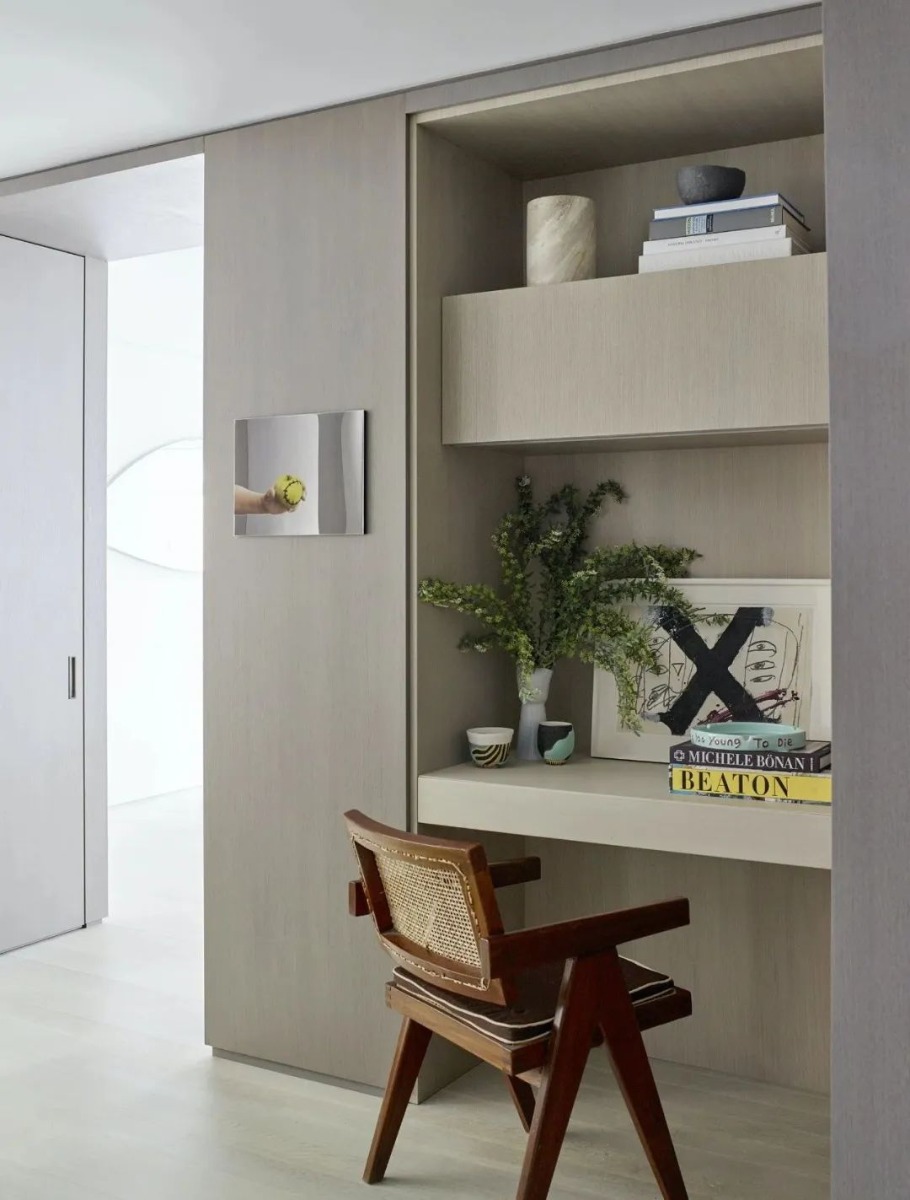
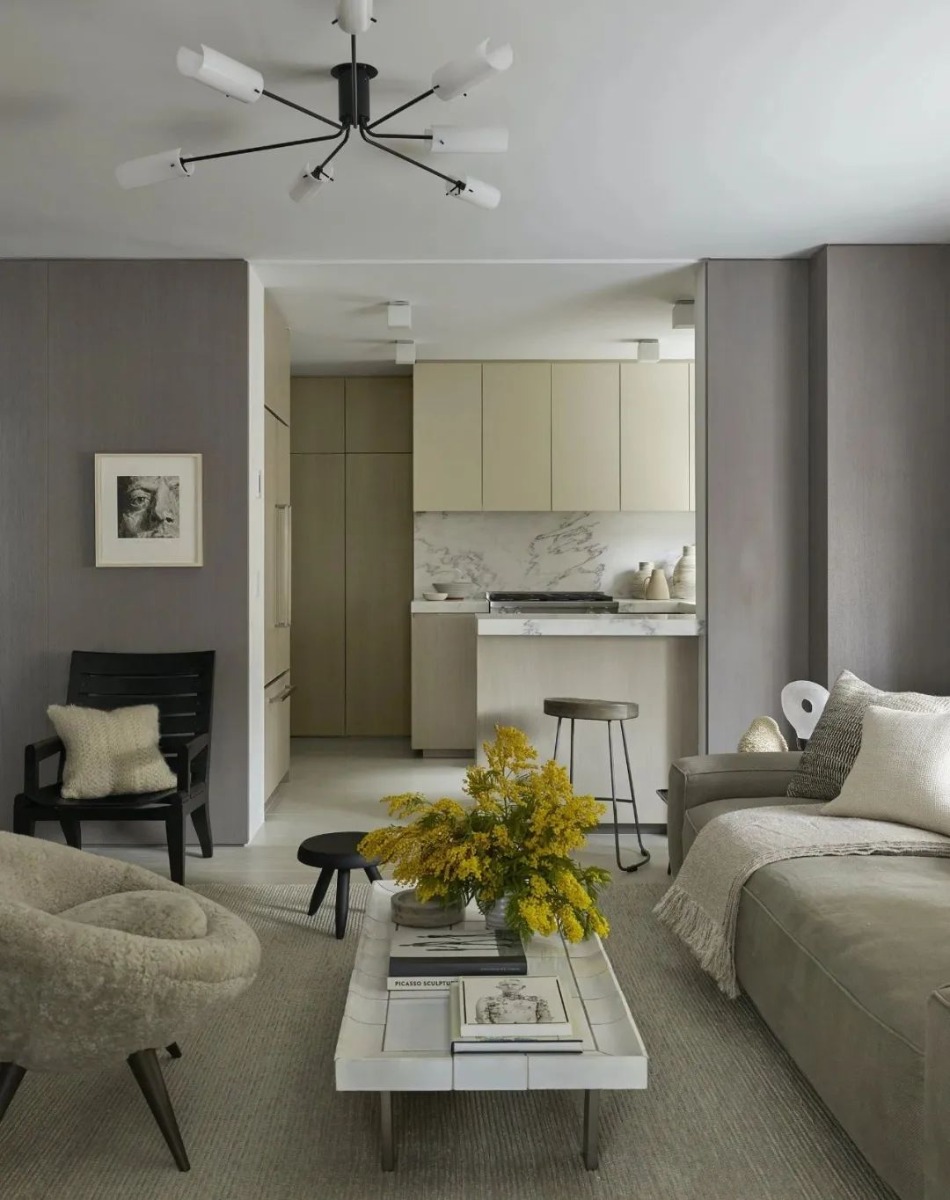
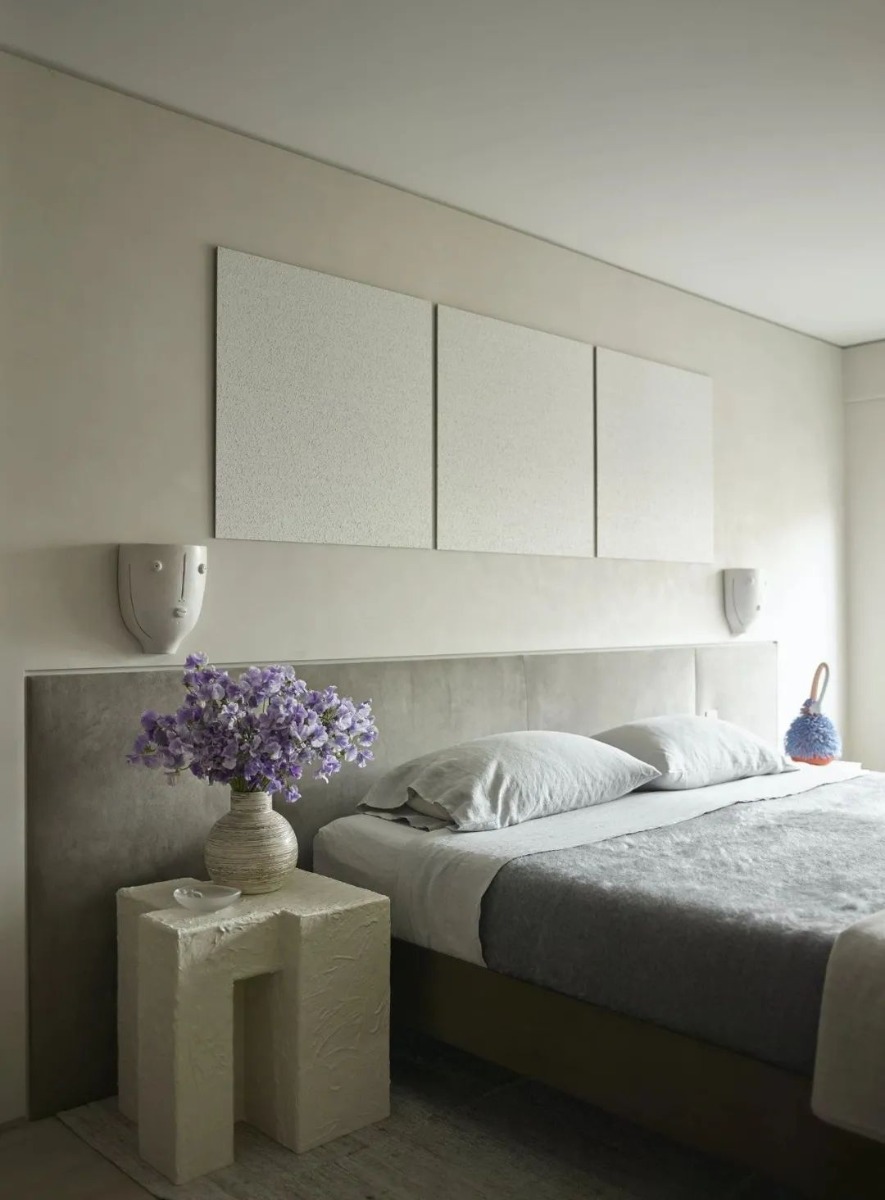
Source: https://gradenewyork.com
Your One-stop Service for Art Project-SOA Arts
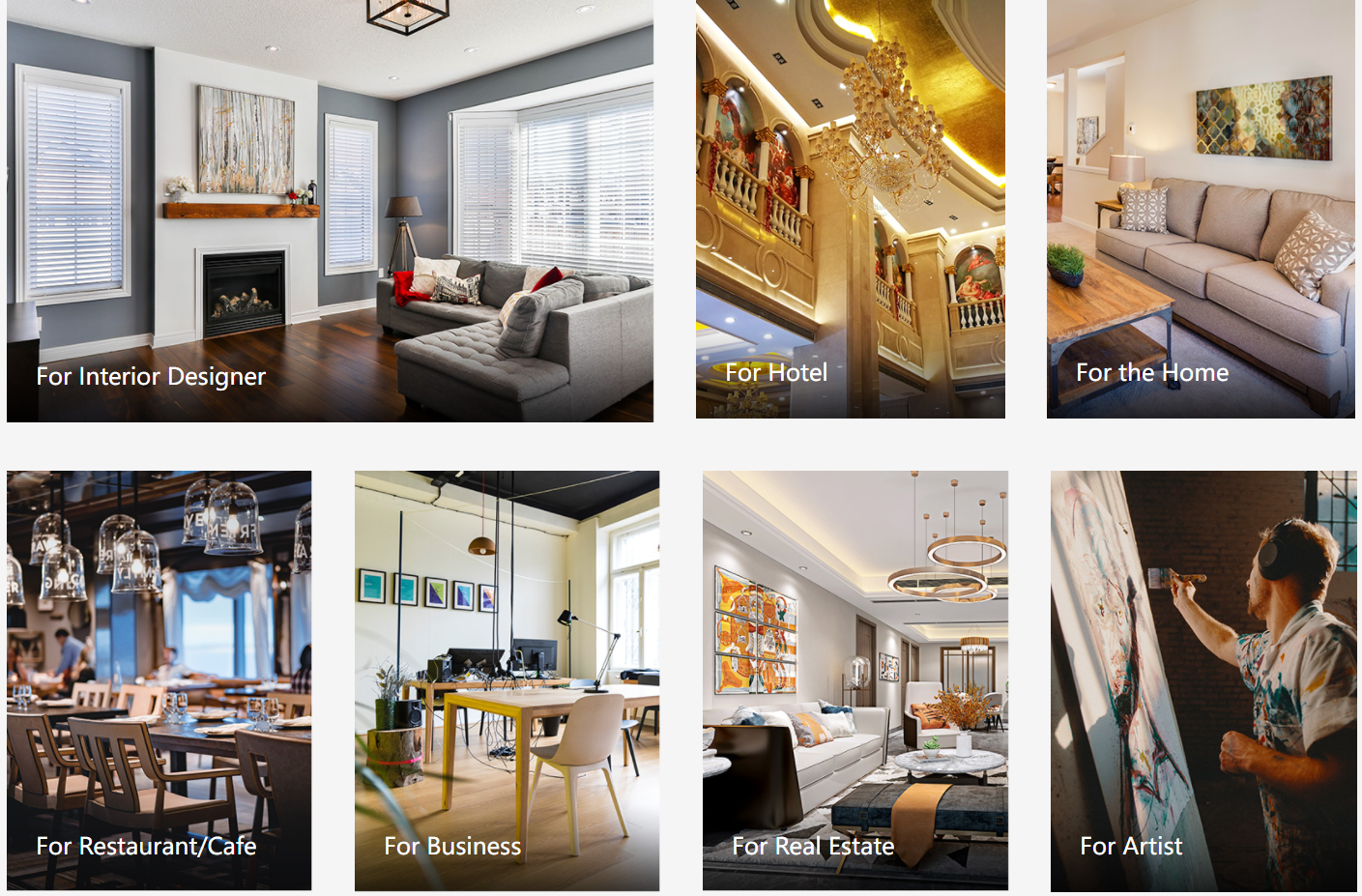
SOA Arts, an art consultancy & artwork factory that served many interior designers and art dealers, has accumulated a wealth of experience in the art decor industry. For the interior designer, whether you are looking for ready-made artworks or customized artworks, we can meet all your needs. Moreover, we can also offer professional art solutions according to your project. For the hotel, we recommend different areas match with different artworks; for example, lobby with stunning and eye-catching artworks, room with warm and relaxing artworks. All in all, whatever your project is, we can provide corresponding art solutions.
-End-
-
Netherlandish Jan Maarten Voskuil
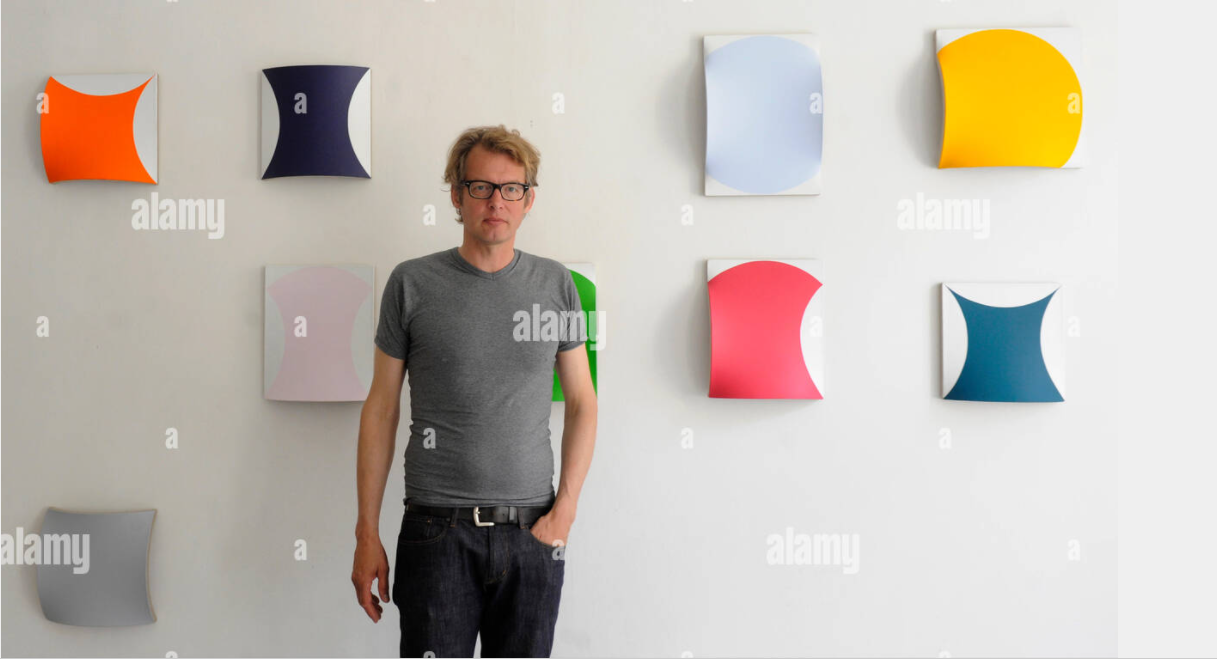
There are thousands of contemporary artists across the globe, but none are as influential as Jan Maarten Voskuil. Born in Arnhem in 1964, he graduated from the Rijks University of Groningen in the Netherlands and went on to study at the prestigious Ateliers Arnhem, which – at the time – was the postgraduate program of the Art Academy of Arnhem.
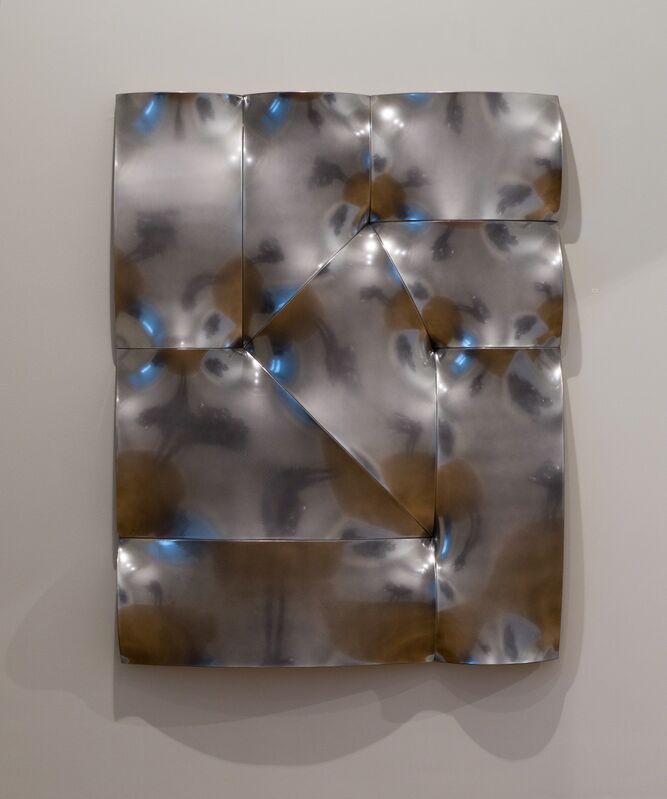
Since then, his work has been featured in a wide variety of exhibits, including at the Peter Blake Gallery in Laguna Beach, the Dr. J Art Projects in Berlin, the Gallery Rob de Vries in Haarlem, and the Pentimenti Gallery in Philadelphia.
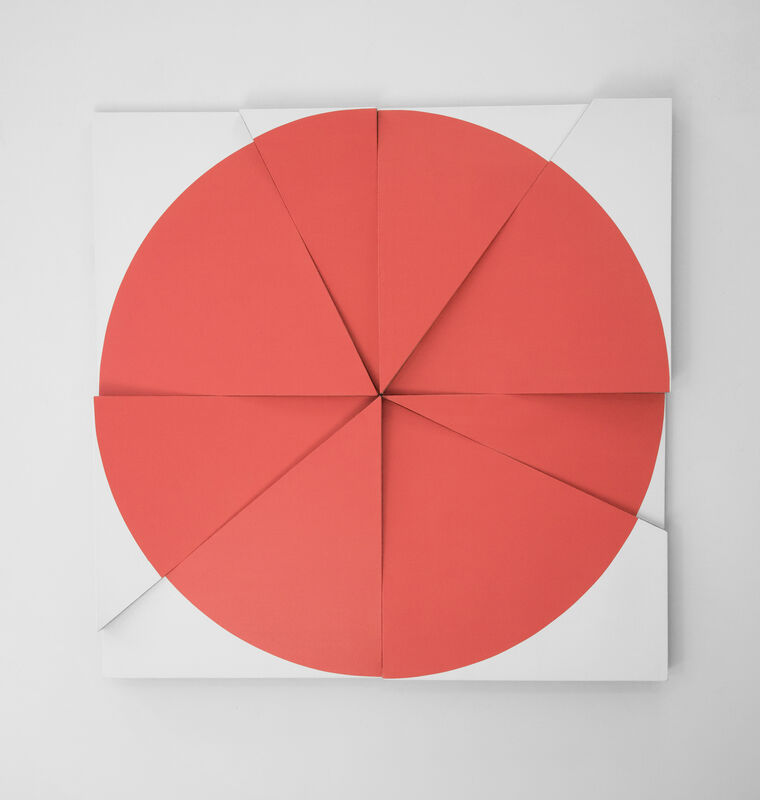
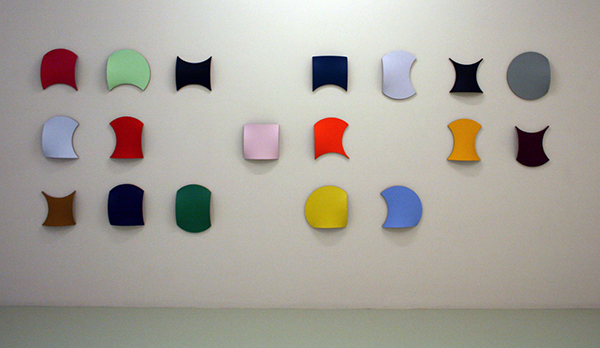
Many regard Voskuil as a contemporary artist; however, he considers himself more like a “spatial painter,” due to his use of paint, stretchers, and linen in his work. The combination of these three materials results in beautiful contemporary art installations that are simultaneously both sculpture and architecture.
“Voskuil’s paintings are constructed from multiple panels of different shapes and dimensions unified into a whole,” reads an article from the website Dutch Culture USA. “His frames are always three-dimensional and his surfaces are never quite flat. The individual components of the works are some assortment of convex, concave, beveled, and arched, with the edges of the works lifting up, down, and away from the wall.”
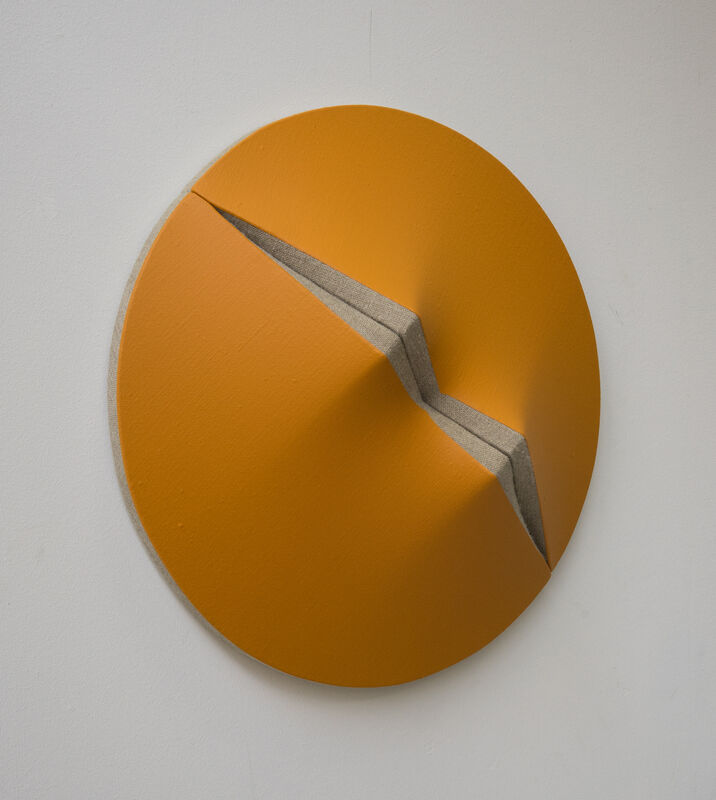
It added, “Despite the many disparate elements, the individual parts of the paintings come to fit together in seemingly perfect congruity. As such, his multipart works require an exacting process of preliminary design that is then followed from building the frame to finalizing the complete work.”
While Voskuil is best known for his incredibly vast portfolio of contemporary art installations, his most notable works include “Broken Sea Blue (2015),” “Modern Times are Fading Away (2019),” and “Roundtrip Dirty Pink (2020).” Most of these have fetched thousands of dollars from galleries and private collectors alike.
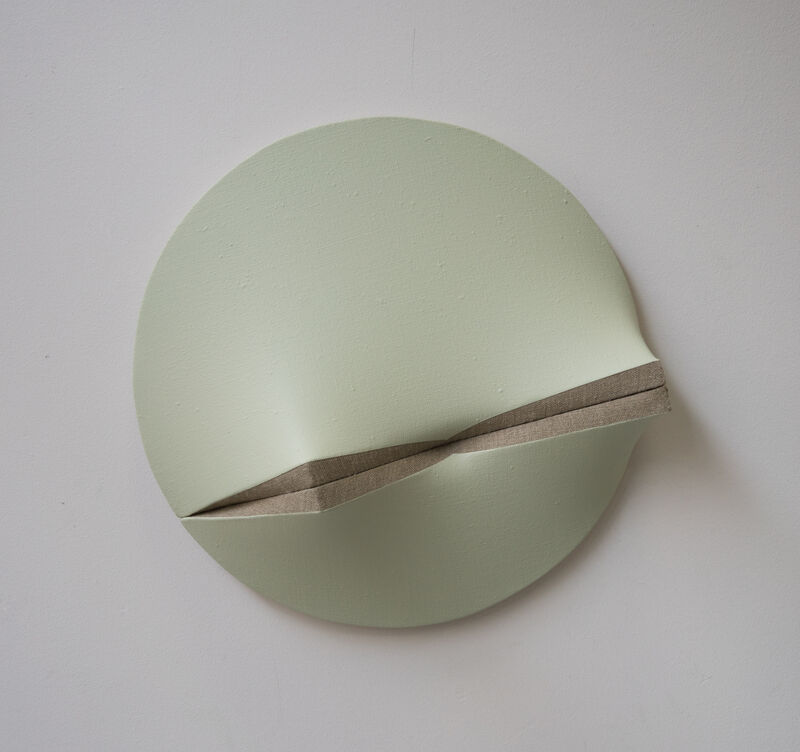
Besides the eye-catching beauty of his 3D Wall Art, many are also fascinated by how Voskuil is able to manipulate unorthodox materials. He makes it seem effortless, even though it’s far from that.
“[The] most challenging is to get rid of the structure of the linen,” said Voskuil. “This requires a lot of layers of primer and sanding. As industrial as it looks, it actually intensifies the craft. Everything I aimed for in my work, so far, comes together in the spraying; from the initial wish to avoid the handwriting and individualism of postmodernism to the merging of design, painting, and space.”
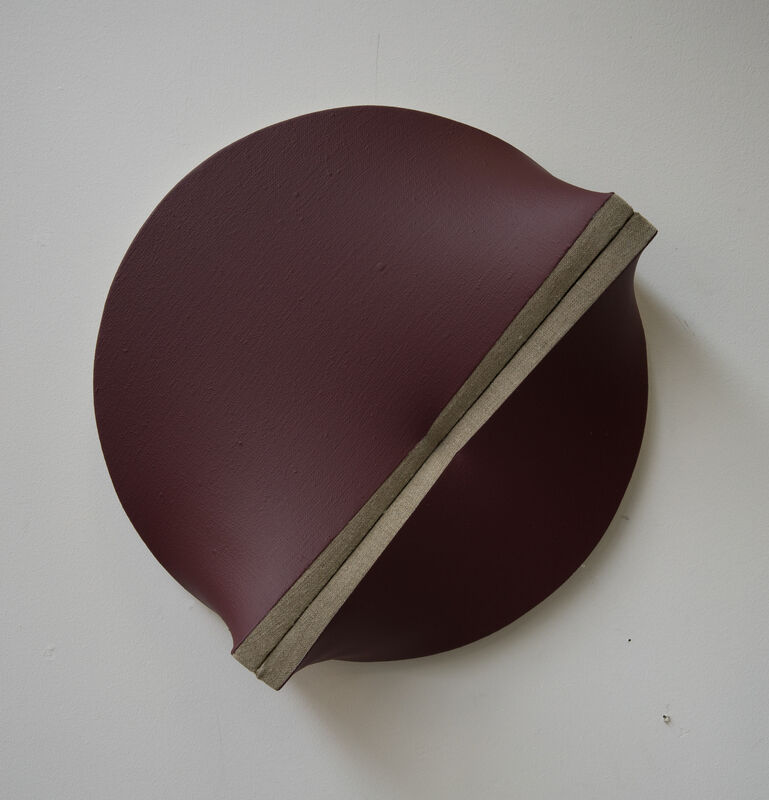
Because of this process, most – if not, all – of Voskuil’s projects are time-consuming and strenuous. He embraces this, though.
“If there are no challenges, there is no fun,” explained Voskuil. “The whole idea of being able to continue an artistic production is being able to find challenges. If there is no problem, you have to create one. The magnitude of it doesn’t matter, it’s just about locating and resolving it.”
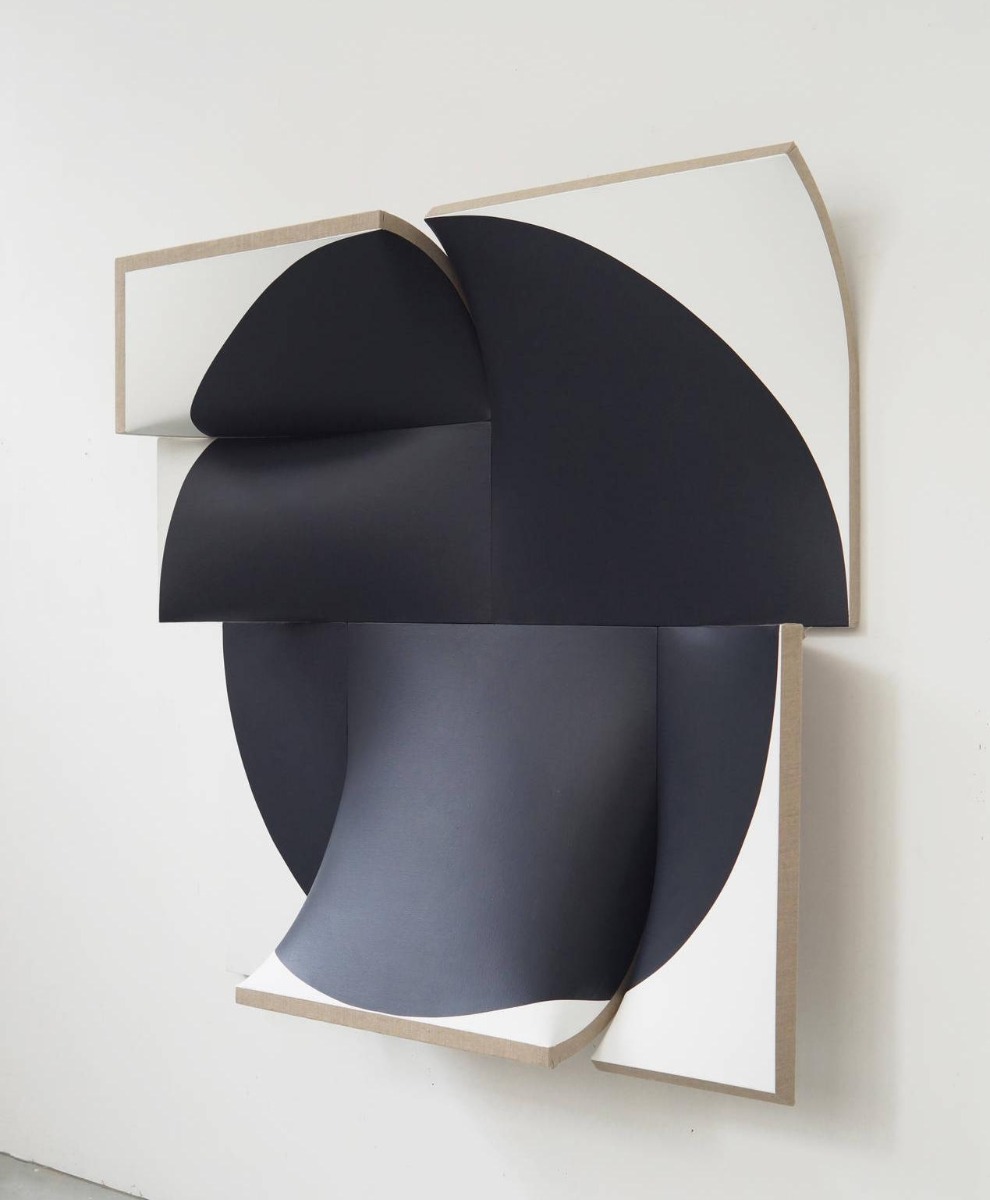
The contemporary art installations that Voskuil creates are breathtaking in their subtle elegance. For some, it’s his use of unorthodox materials that make them so eye-catching. Others, however, believe that their uniqueness is rooted in the mathematical principles that Voskuil uses to bring his visions to life.
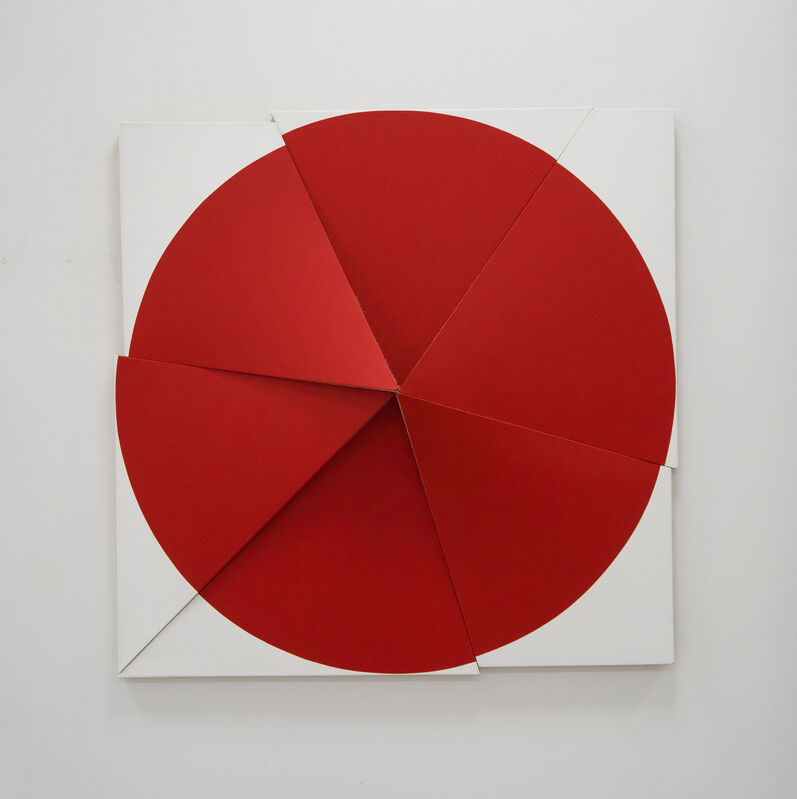
Utilizing these geometrical concepts, he distorts the rigid forms of circles and rectangles, stretching them out on monochromatic canvases before incorporating vibrant colors and other textures.
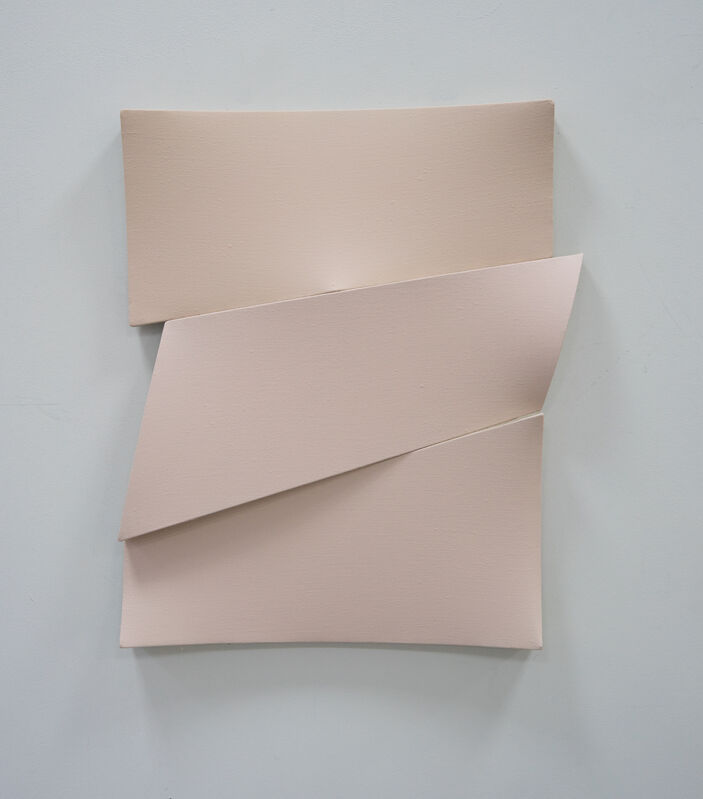
“Because of the meticulous nature of his paintings’ designs, Voskuil’s practice is inevitably rooted in geometry, but the artist insists on limiting the role of mathematics in the works to a practical necessity,” reads a press release from Artnet. “Voskuil’s shining distinction is his ability to bring playfulness to his monochromes. For a process as demanding as his, the works somehow manage to put forth a carefree presence.”
The press release continues, “His precise approach ultimately embraces the beauty of irregularity.”
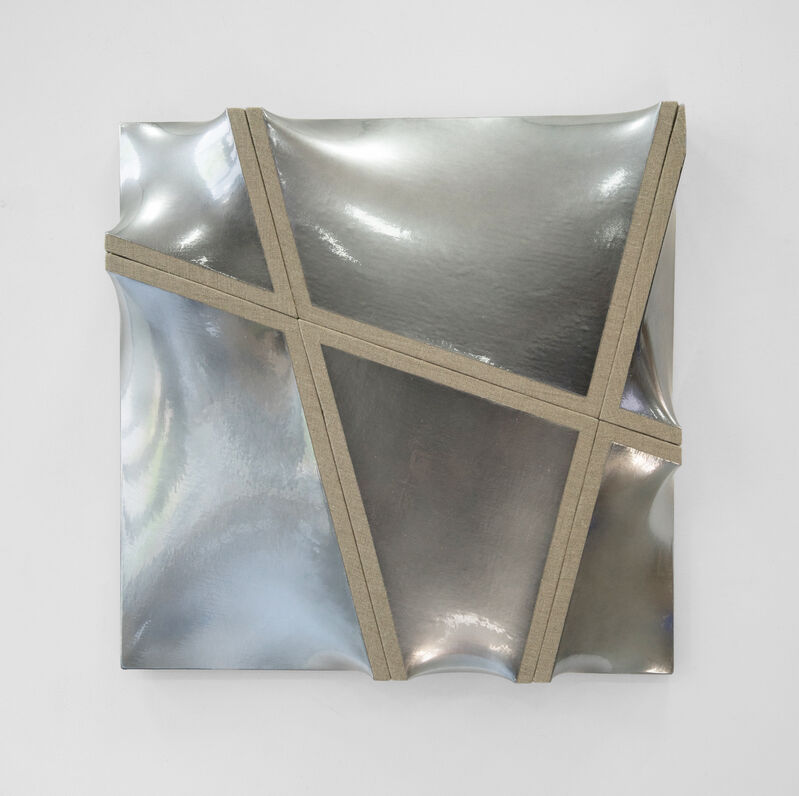
Now based in Haarlem, Voskuil continues to meticulously create contemporary art installations and abstract paintings-cum-sculptures whose unique forms challenge the audience. Many have called them “shape-shifters” because of how they appear to either stretch, collapse in on themselves, or peel off of the wall.
It’s not every day that you come across an artist like Jan Maarten Voskuil, who uses unorthodox materials and mathematical principles to create playful masterpieces that seem to defy gravity. This is perhaps the reason why his work has entranced the art world.
Source: Jan Maarten Voskuil
Custom Interior Design Online – SOA Arts
Liked something that you’ve seen here today? Want to replicate their results or even buy something similar? We’re here to help. At SOA Arts, we have more than 10 years of experience in curating, producing, and sourcing incredible works of art.Whether you’re looking to revamp your building’s interior design or just want to expand your private collection, get in touch and we can make it happen.
-End-
-
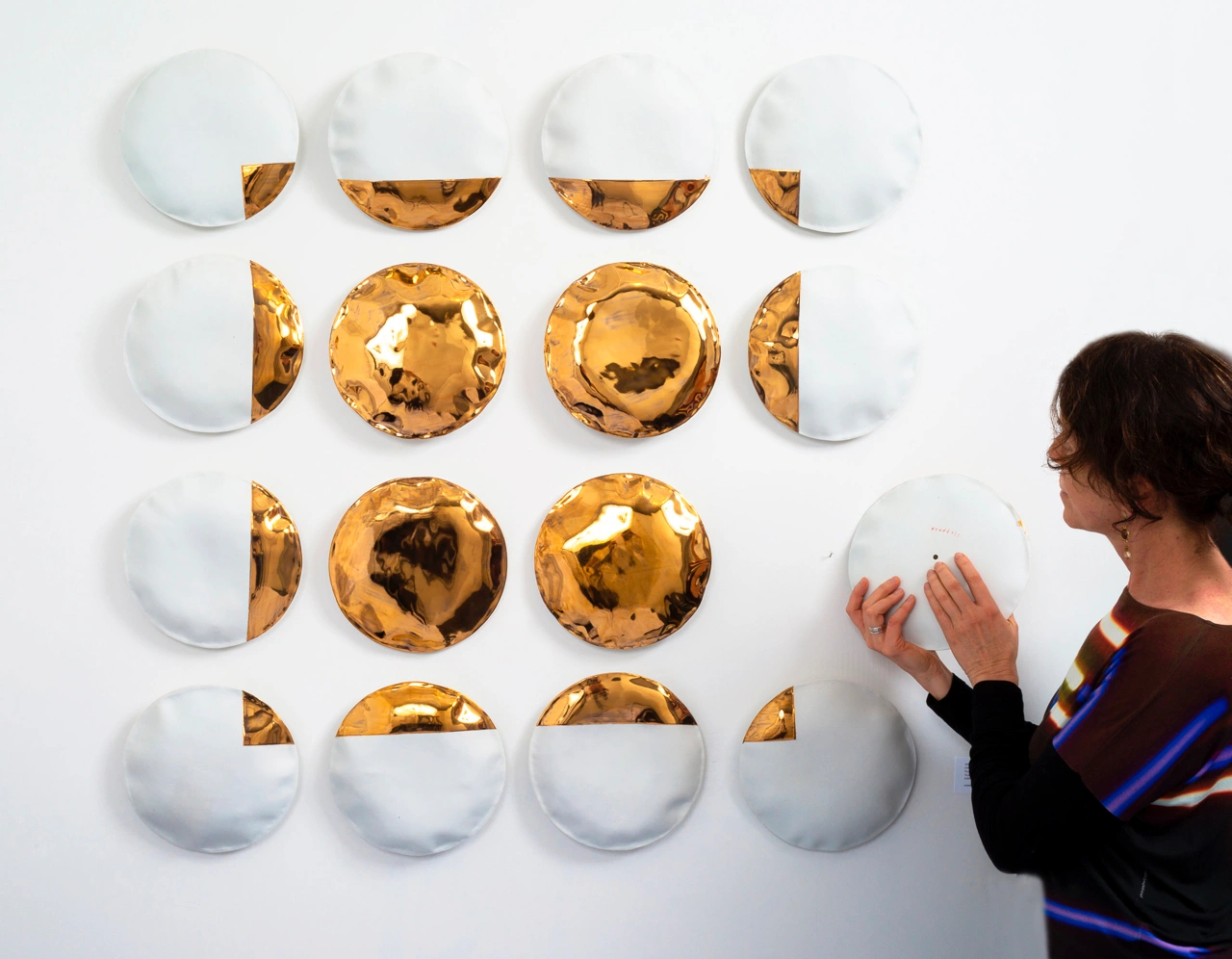
As an art factory and interior design company, we’re huge fans of Michele Mariaud. We think her work as an artist, art collector, and gallery owner deserves a tonne of praise. In this post, we’ll be exploring who she is, what she does, and why she’s worth paying attention to.
For all your art news, custom interior design online, and general inspiration, rely on SOA Arts.
Who is Michele Mariaud?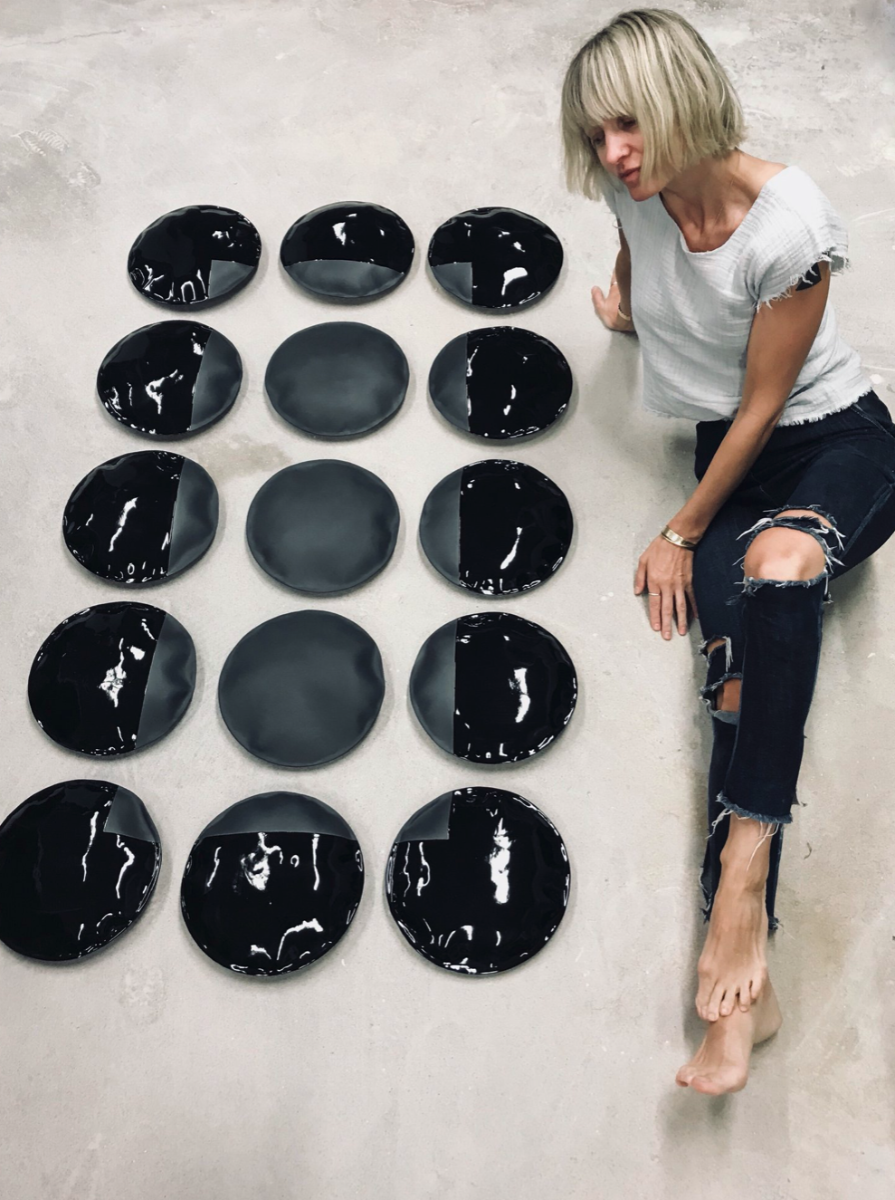
Michele Mariaud first entered the world of art as an artist, musician, and music teacher. Though she was originally based in Canada, her unique flair for business savvy and creativity soon brought her to Europe where she was solicited to help businesses grow in France and beyond.As a curator and artist, her skill helped these businesses grow from strength to strength. In the early 2000s, she moved to the United States. This is where her career and prominence really took off.
The Art-Buying Process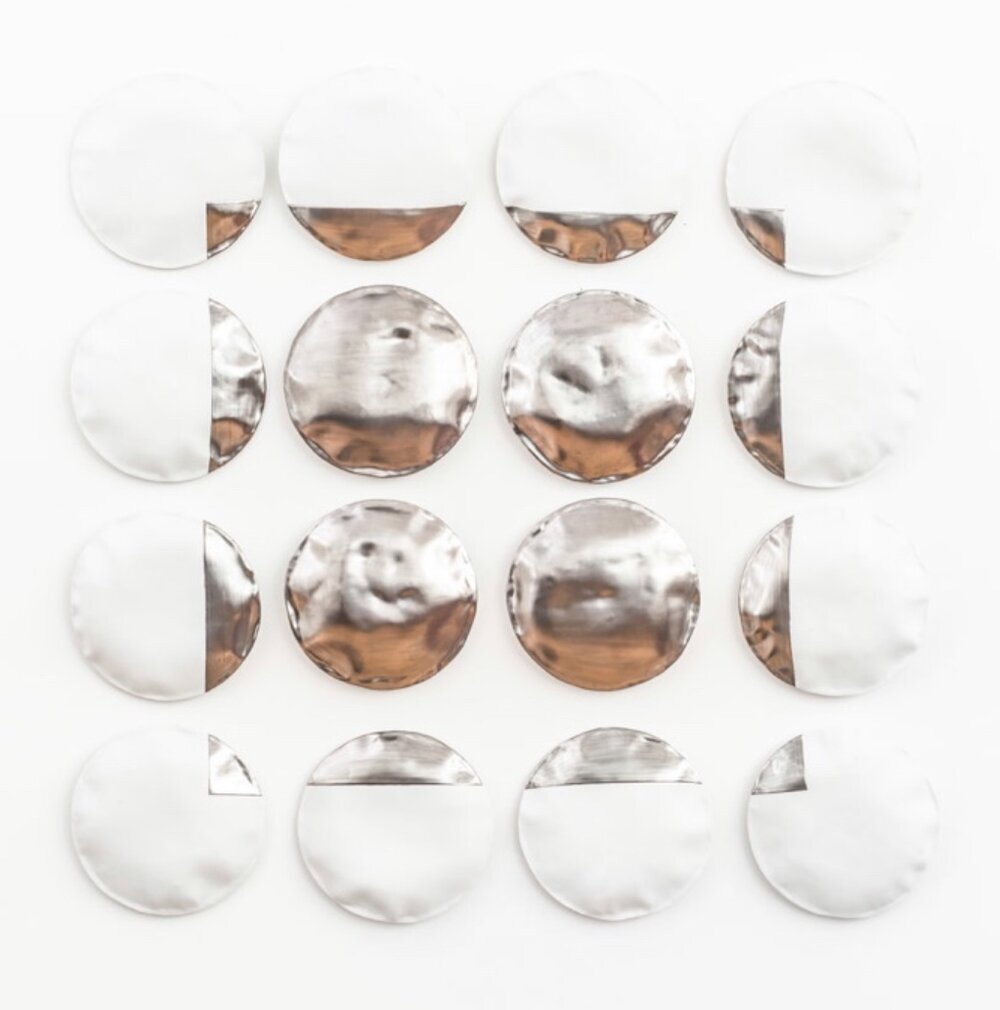
In 2005, Mariaud opened her renowned art gallery in New York City. It’s still enjoyed by thousands of satisfied clients today! Whether you’re a budding art enthusiast or an established collector, the 2000-square-foot gallery probably has something for you.
Mariaud is dedicated to making the art-buying process as simple and enjoyable as possible. Her space is set up to feel like an ‘art fair encounter’. Guests can peruse the works at their leisure or rely on the collector’s wealth of experience.
The sizable collection of 300 pieces rotates every 6 weeks, so there’s always something new to discover.
Her Signature Style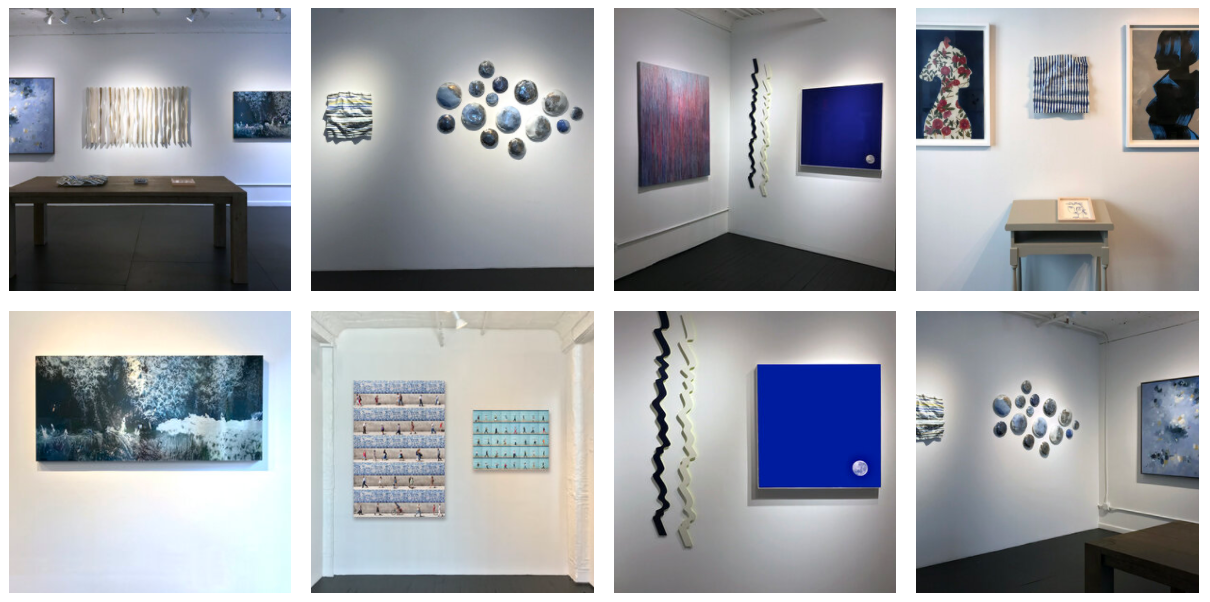
COLOR FOCUS: BLUE
Over the years, Mariaud has developed a signature style for her art space. From incredible 3D wall art, to sensational contemporary works from upcoming artists, the quality and impact of each exhibition are undeniable. Each new collection is tied together with a unifying theme.Some past examples include the color blue, contemporary Texan works, and fragments. The goal is to showcase a measured balance of established and new artists. Mariaud’s skills as a curator and gallery owner are self-evident once you lay eyes on her exhibitions.
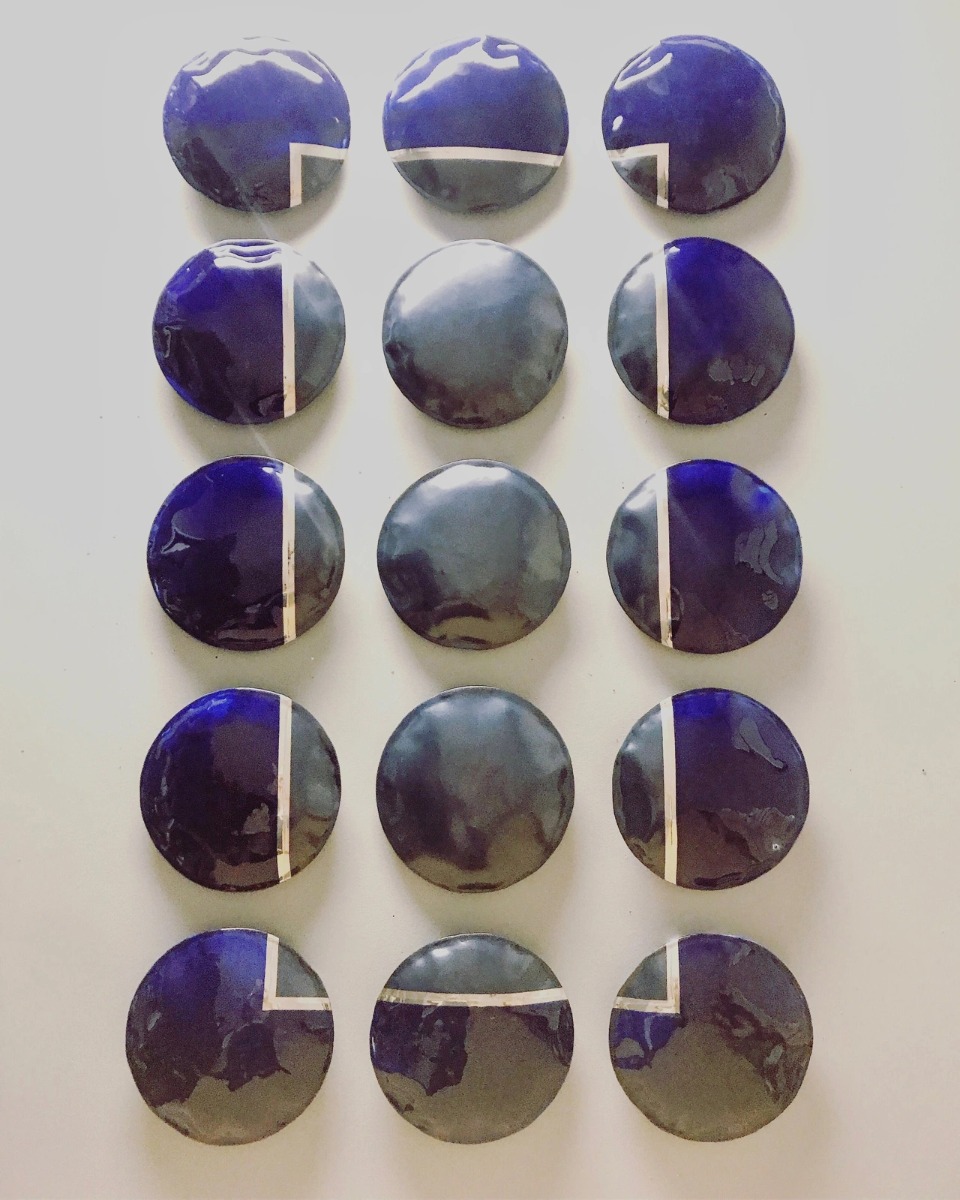
Each piece is there for a specific reason and exists to elevate and ‘complete’ the other work in the room rather than distract from it. The main problem when visiting her gallery isn’t finding something to buy – it’s deciding which option to pick!
3D Wall Art
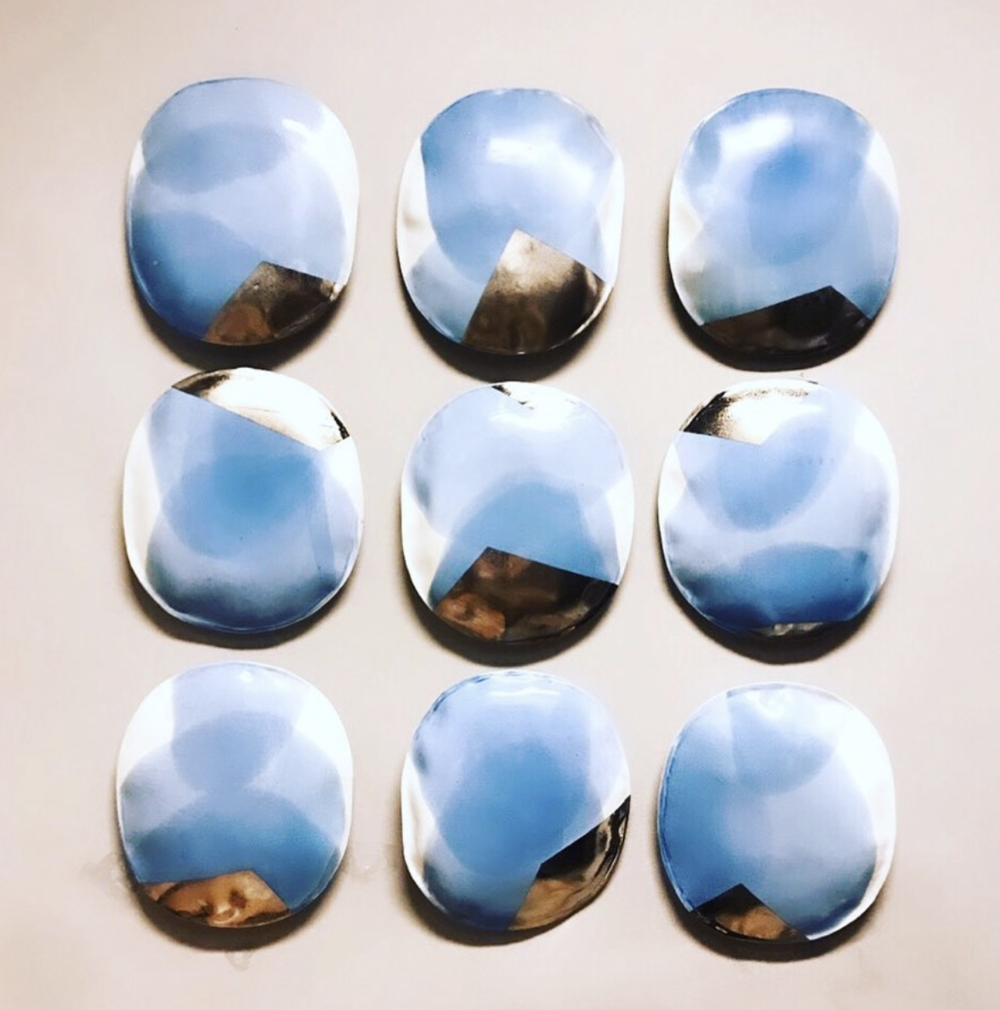
Connoisseurs of 3D wall art will find a lot to appreciate at the Mariaud gallery. Many 3D and sculpted pieces can be found at the space year-round. Some notable examples include the work of Pascal Pierme and Stepanka Summer.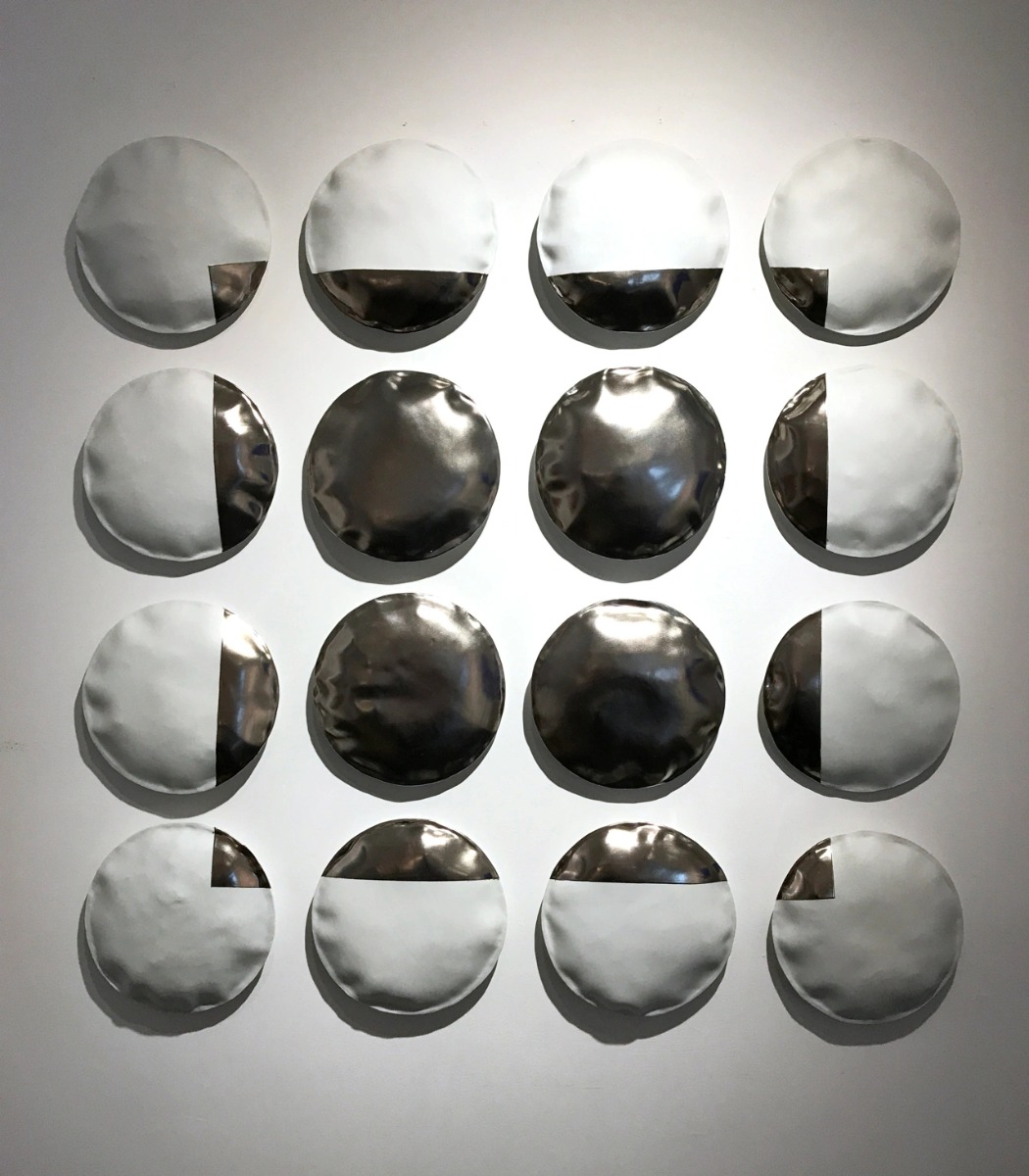
These pieces, in particular, draw one’s attention immediately and refuse to let it go. They would look incredible in any hotel lobby, waiting room, or business interior. The shapes and colors implemented by these artists truly elevate any room they adorn.
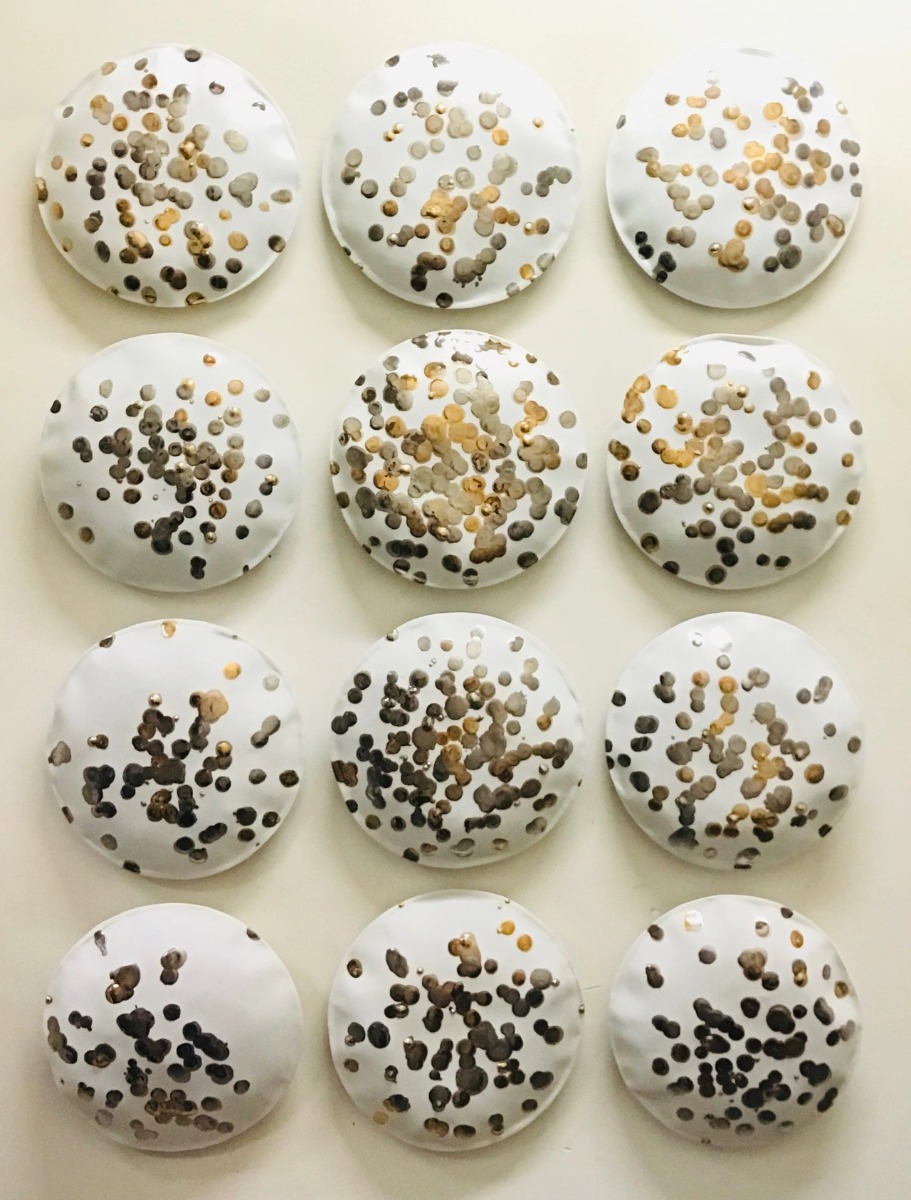
We love the power of this kind of art. It has a tendency to deny expectations. Textures, shapes, and lines that you first assume to be one material soon surprise you by revealing their true nature. If you’re in New York City and have the time, we strongly recommend taking a look for yourself.
SOURCE: https://www.michelemariaud.com/
*****
Custom Interior Design Online – SOA Arts
Liked something that you’ve seen here today? Want to replicate their results or even buy something similar? We’re here to help. At SOA Arts, we have more than 10 years of experience in curating, producing, and sourcing incredible works of art.Whether you’re looking to revamp your building’s interior design or just want to expand your private collection, get in touch and we can make it happen.
-End-
-
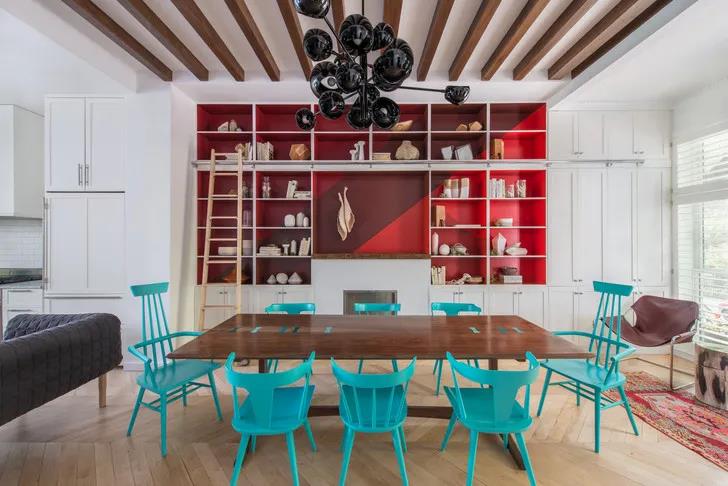
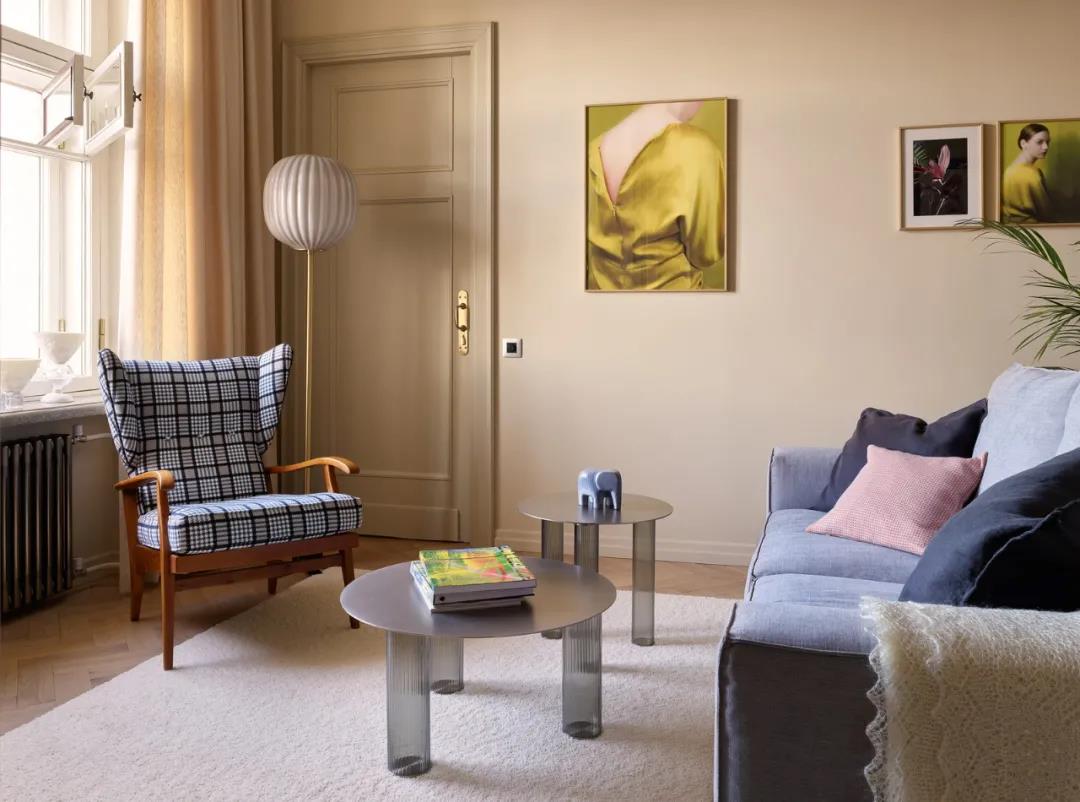
Interior decoration is a game, and the rules must be respected while cleverly broken. We often see the cases like cookie-cutter beige tones and bland interiors in websites and estate agents. And interiors where there is no stylistic connection between objects. In addition, there are often a lot of different things that customers like but don't seem to fit together. Today, we introduce some simple rules and you can get some inspiration to decor an expressive interior.
*****
01
Start with a Concept Board
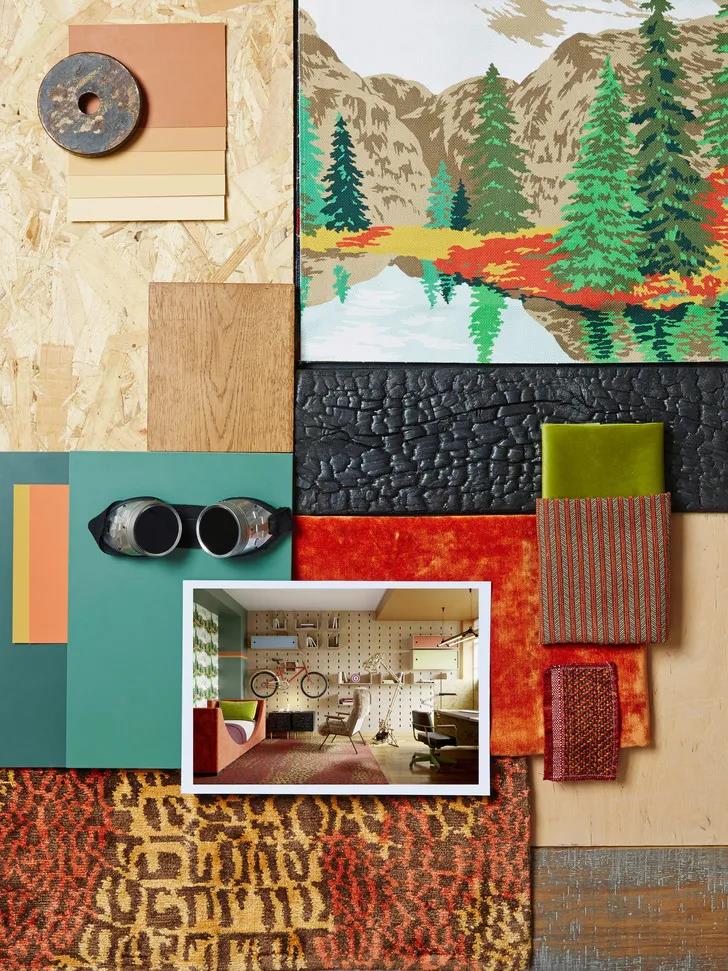
The first and unchanging rule of decoration is to create a complete concept in the form of an abstract collage that should mirror the colors, styles, shapes, and textures of the future interior. The idea can immediately clearly understand the way forward and set limited boundaries. Thanks to the concept board, when you choose furniture and accessories, you'll know immediately if they really fit. In addition, creating a concept is a great way to strike an instant chord with the client on what features and color schemes the future interior will have.
02
Don't Drop Neutral Color Wall
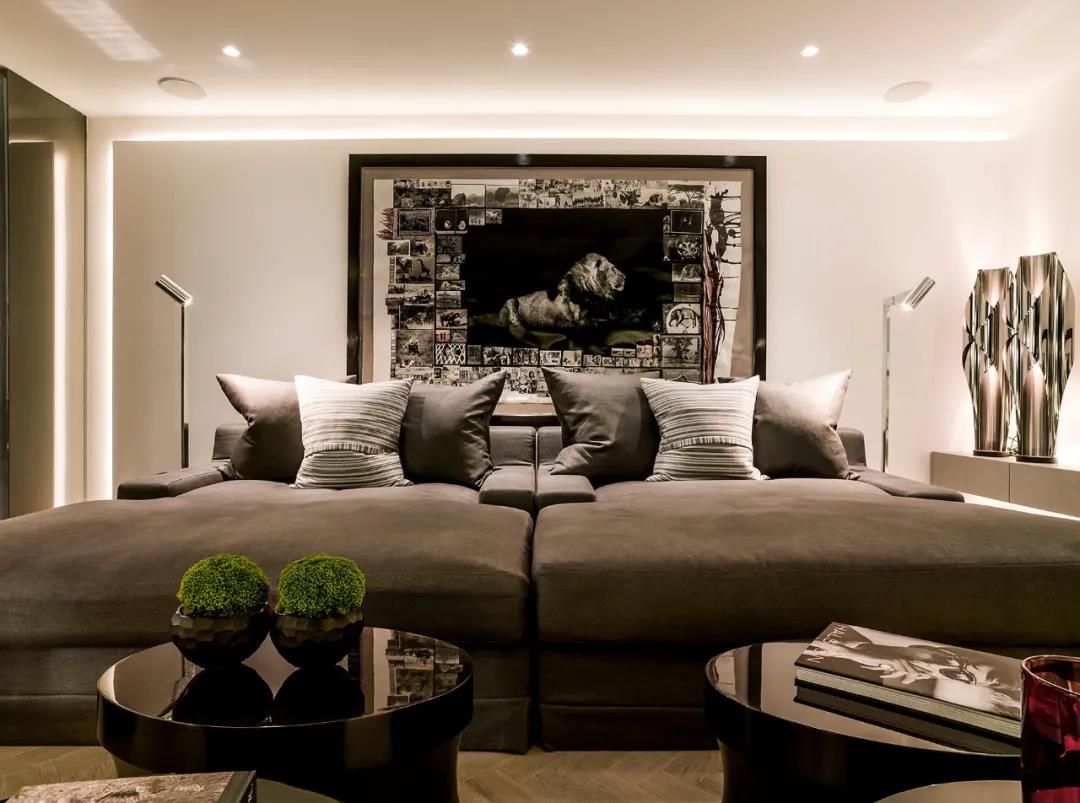
Any passionate designer gives great attention to beautiful things, colors, and furniture, and sometimes forgets to consider spaces left blank -- neutral walls play off bright accessories and send relax, while calm textures show contrast.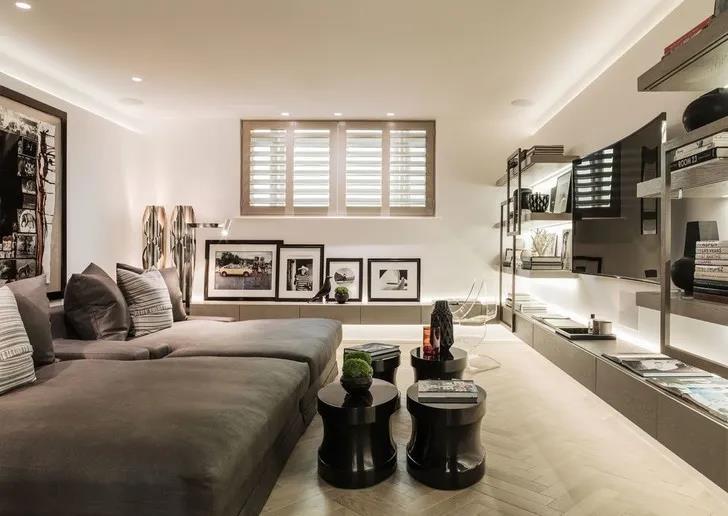
When it comes to neutral interiors, you need to create contrast, for example, combining light beige, cream and taupe tones with dark wood and dark accessories to look spectacular on a light background, as noted designer Kelly Hoban often does.
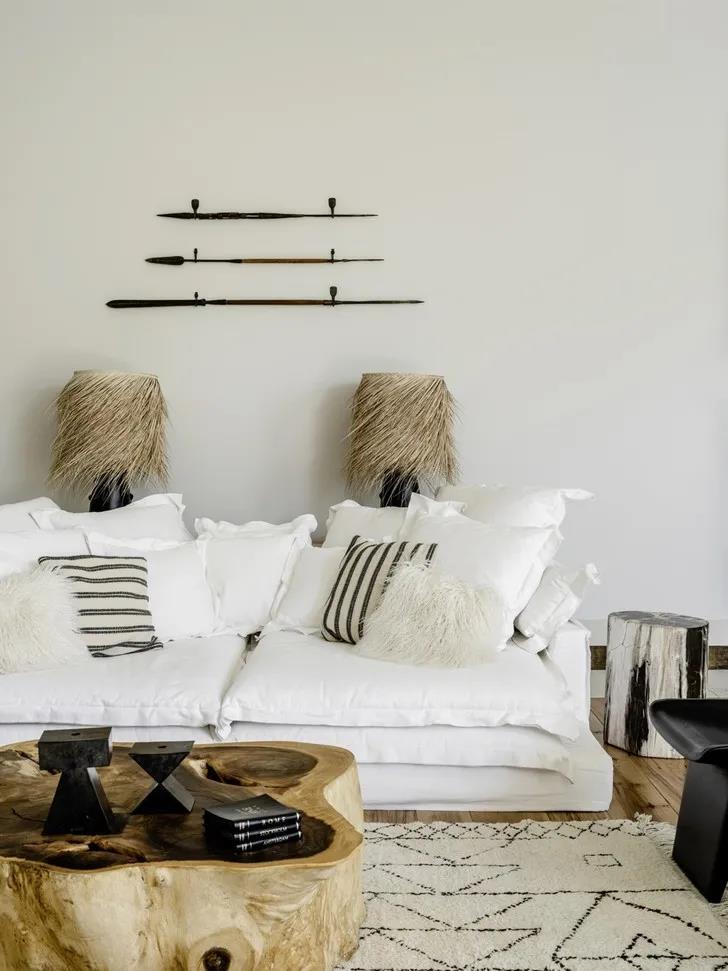
In such interiors, textures designed in neutral tones can be shaped not only through fabrics, carpets but also through pleats, wood-cut ornaments, collections of objects, stucco, neutrals and small prints.
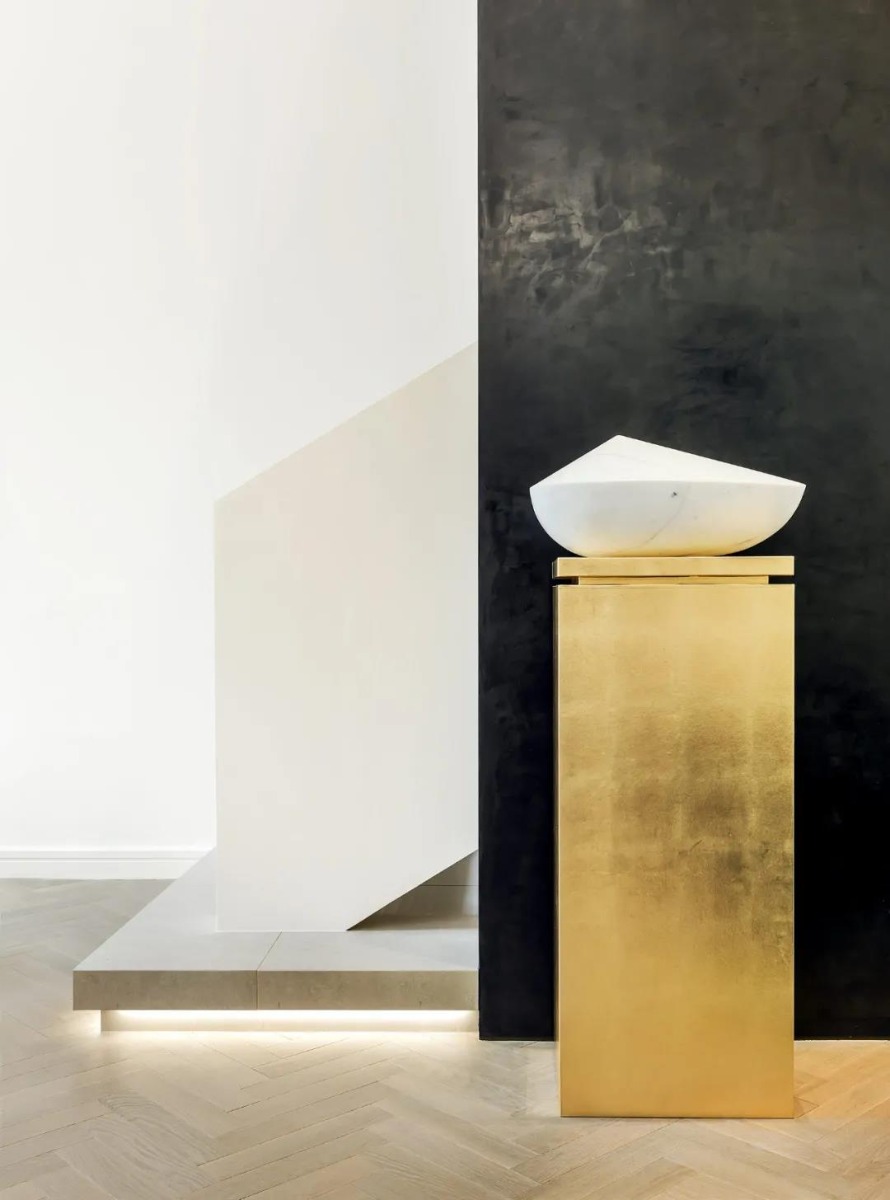
Vivid colors can also be an excellent way to brighten up neutral interiors. For example, pink is good for white and taupe, green for taupe, black and white, and red for white, sand, black, taupe and blue.
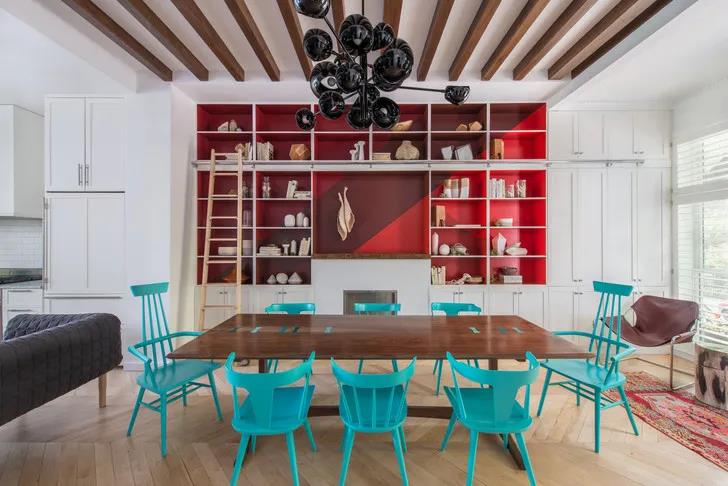
03
Choose an Internal Central Focus
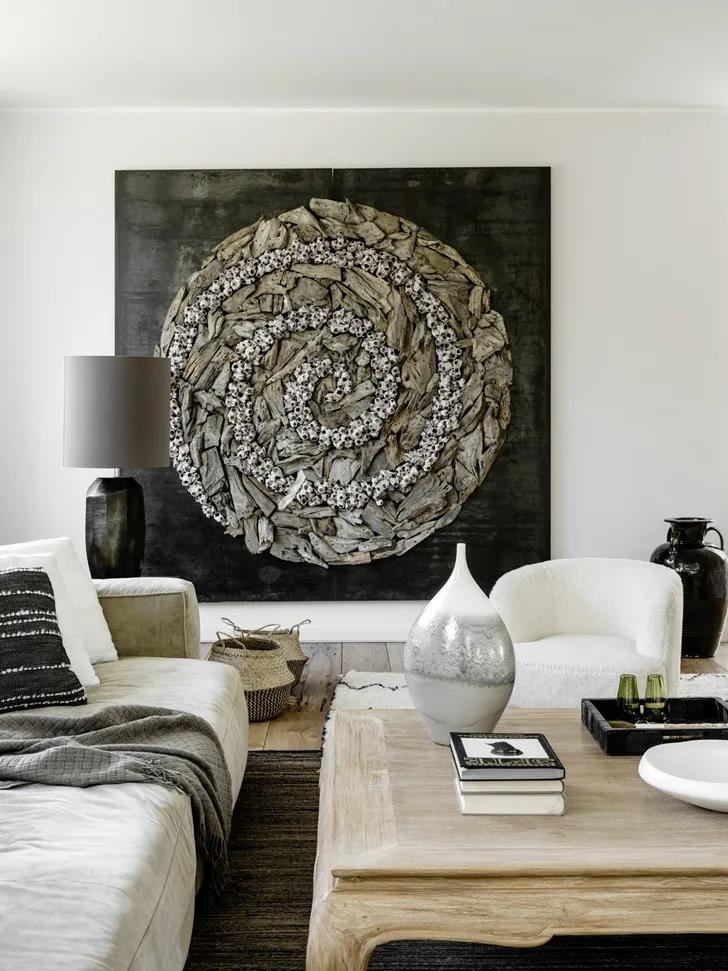
The dominant theme in decorating is to create a compositional center or focal point in the room. We first see something focal, and then we start to think about the interior composition. It can be large, bright, and particularly striking.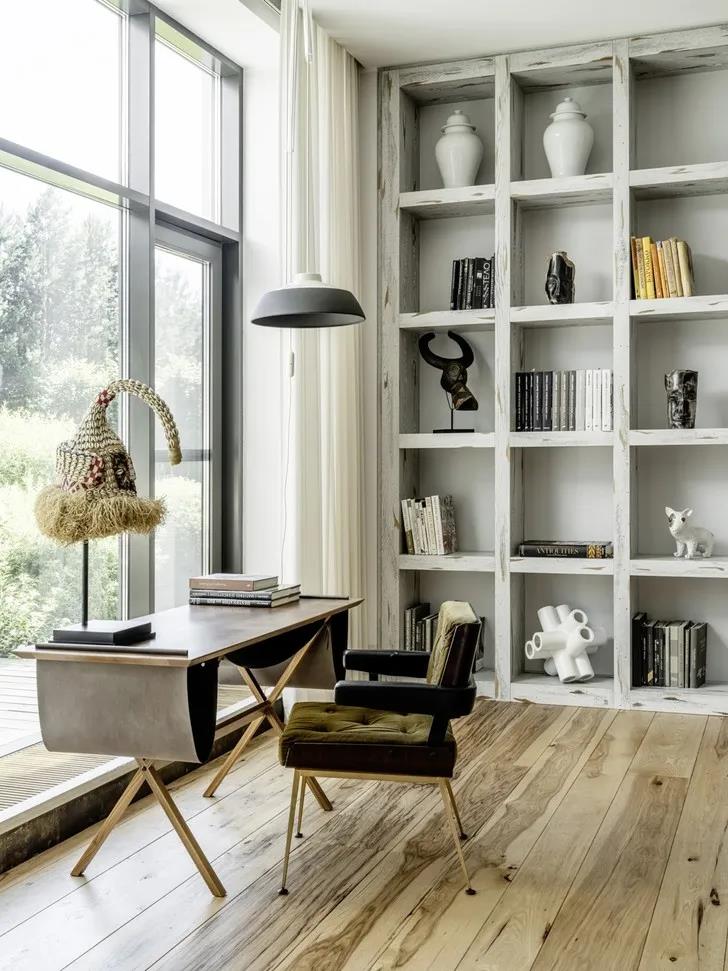
For example, have an exquisitely decorated bed in the bedroom, a luxurious backdrop or a large fireplace in the living room, or a shelving unit in the office that can accommodate a series of statuettes. All other interior objects will complement this "main" thing and emphasize its importance and beauty. If you put a lot of bright things in the room, it will come across too strongly and your vision will be scattered.
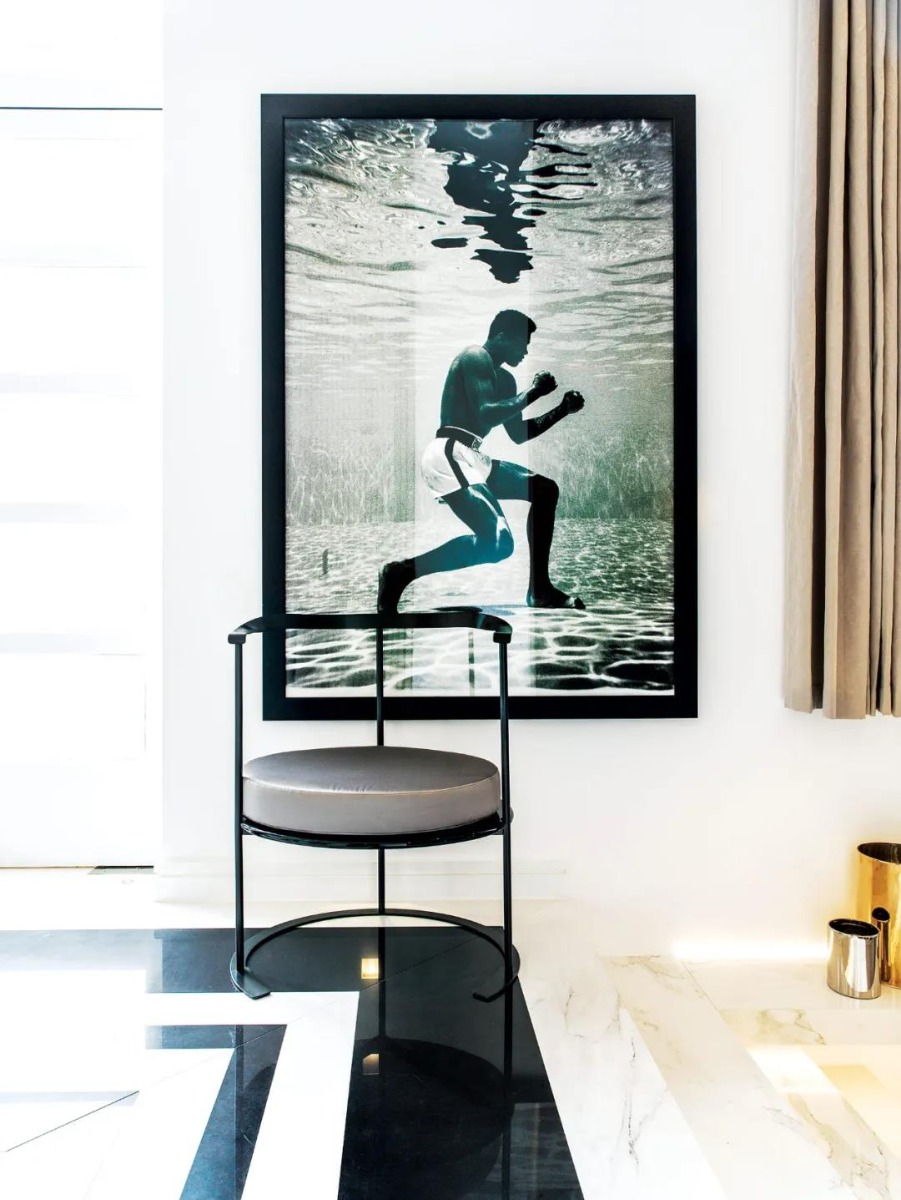
There is, however, one exception to this rule: deliberately saturated interiors always look impressive. For example, as you walk down the hallway, past the entrance to the room, think about what you'll see at the door -- it should be something pleasing to the eye, like a picture on the far wall or beautiful furniture or a vase on the table.
04
Keep an Odd Number of Accessories
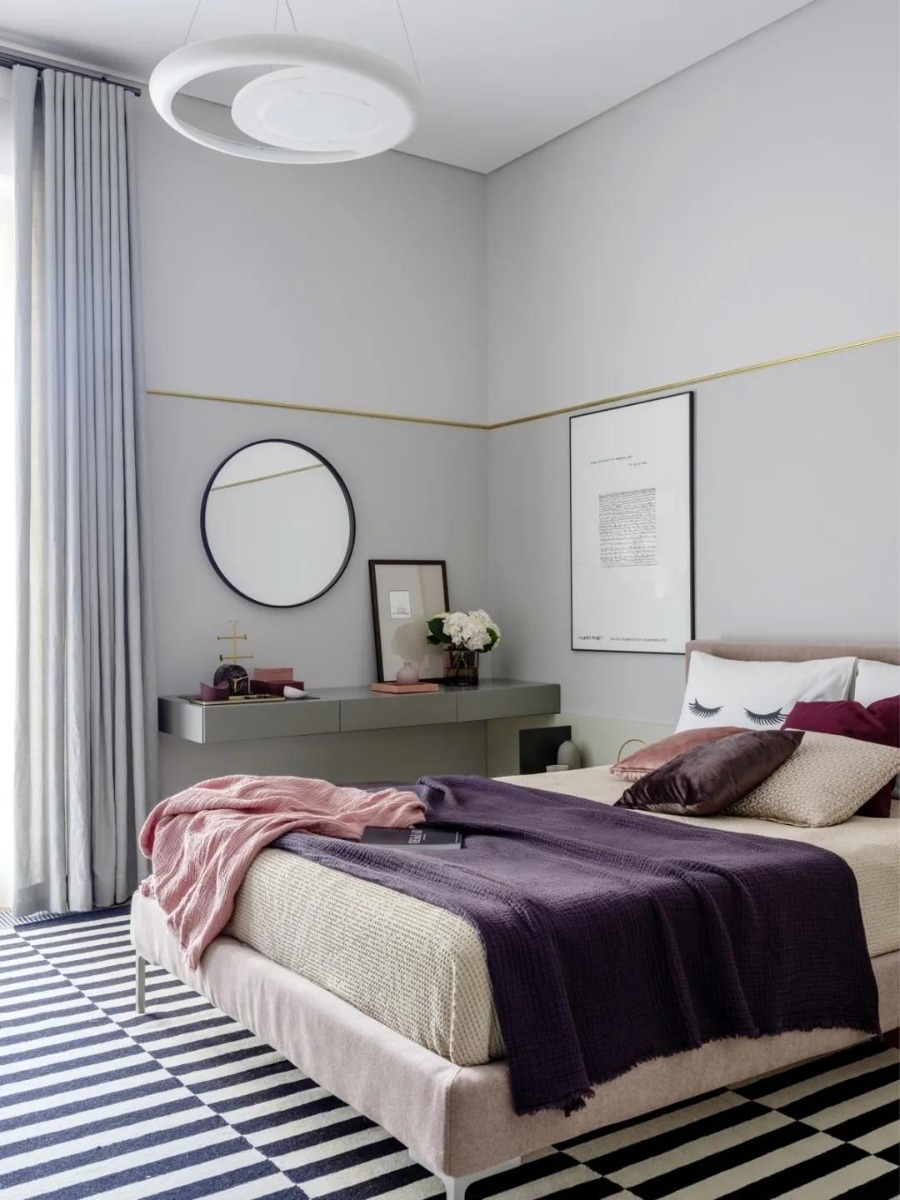
If you are picking decorative items or textiles, the rules are as follows: an odd number of ornaments work best indoors (three, five, seven, etc.), and the ornaments themselves should be diversiform.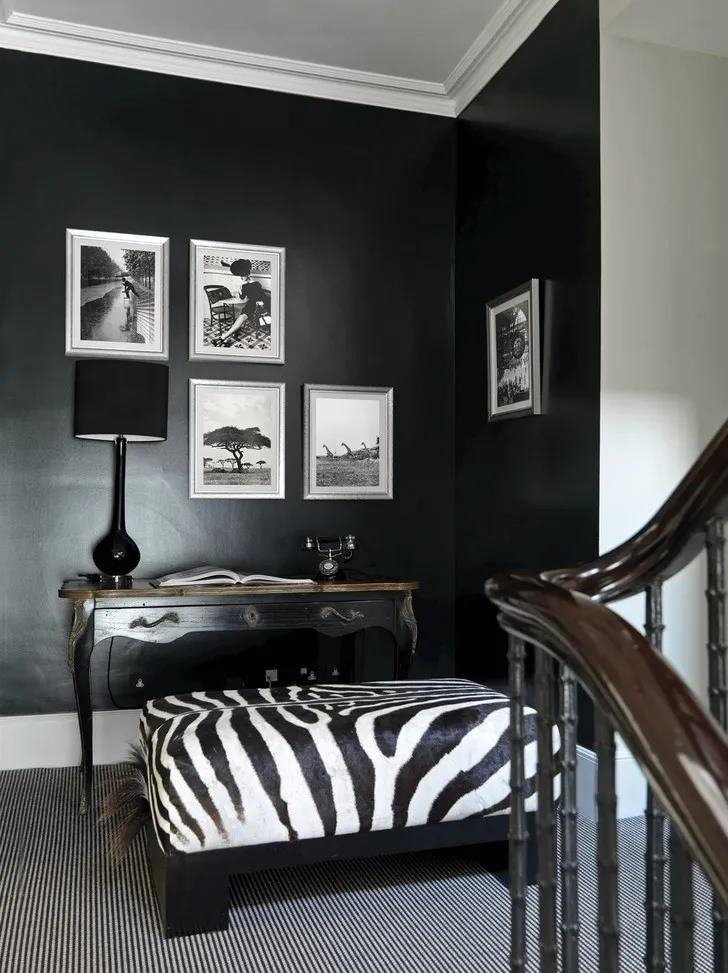
Or, when you're using something rich, such as ikat or zebra strip, it's good to combine it with a neutral texture, preferably a floral ornament with a geometric pattern.
05
Hang a Picture at Eye Level
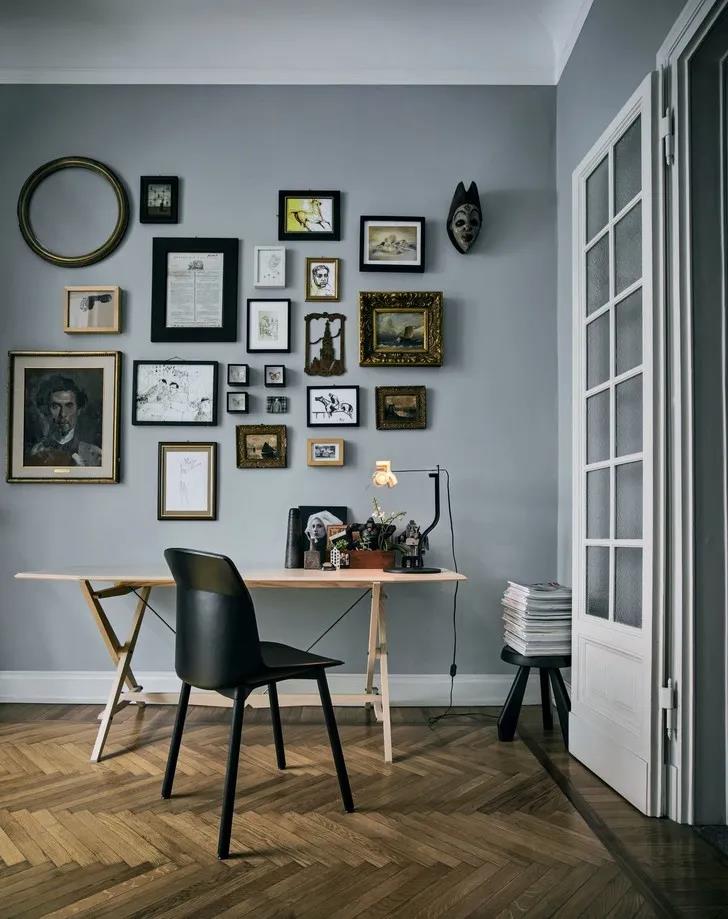
For framed hanging pictures, the work should be right on the wall, at eye level, not higher. If you're hanging a set of small paintings or photographs on a wall, the center of the composition should be at eye level. Besides, what counts is to determine which images are primary and additional; What they will look like when you enter the room and sit on the sofa. Art is a perfect focal point, an important element in creating beautiful colors and adding character to a room.06
Smaller Details
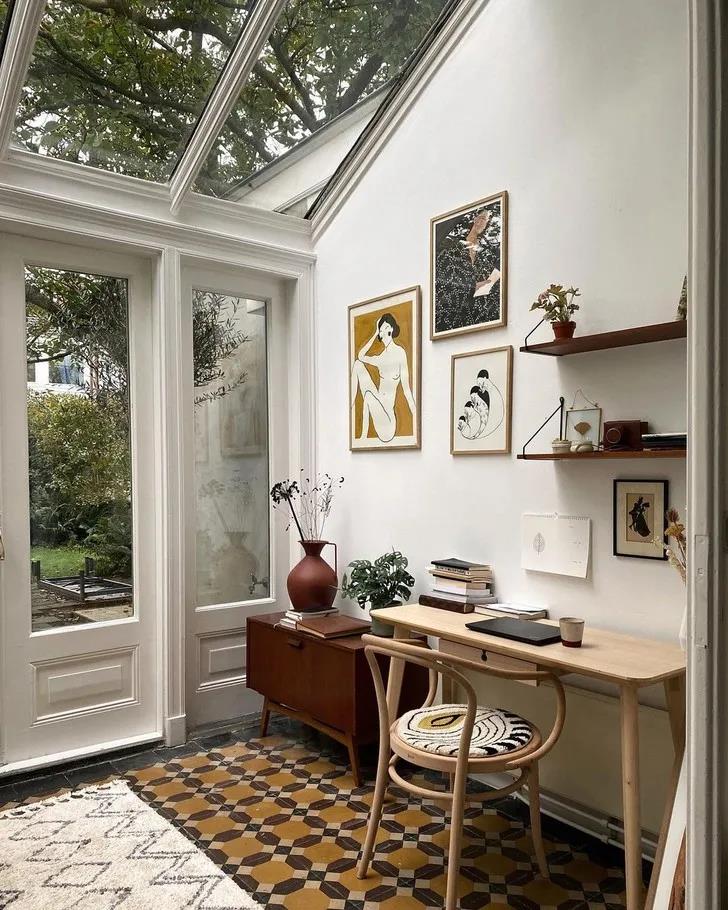
There really shouldn't be too much inside, and all western designers and interior magazines all said the same thing in chorus - get rid of all the excess. Leave items that are really needed and useful in the room -- a lovely lamp, a few photos or statuettes, a blanket, a vase or flower arrangements. The numerous trinkets that gather dust on shelves and tables will only overload the room. Choose what you really want to display and the rest can be boxed up.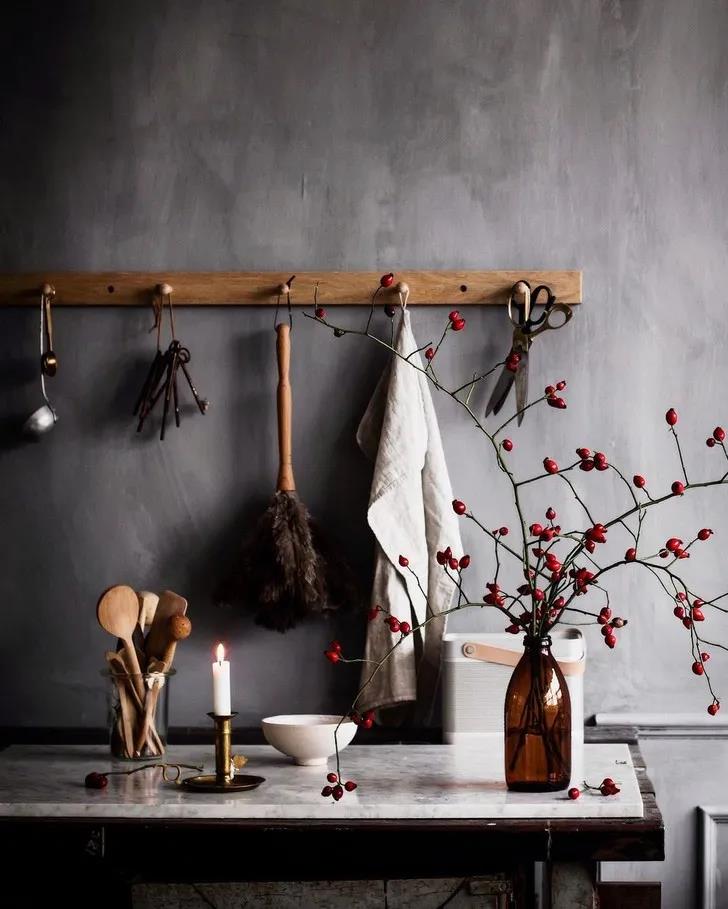
Having a tight budget doesn't mean you can't afford luxury goods from expensive brands. Many of you can buy an elegant picture frame from Ralph Lauren Home, or a small vase or lacquer box from Armani Casa. These items will be in front of your guests and earn you points. While cheap decorations, a bowl of fruit or vegetables are appropriate, branches or a bunch of tall flowers, coral branches and pebbles.
07
Follow the Fashion Boldly
Following trends is fun, but it's more important to experiment. It's a bold experiment with prints and accessories, creating an atmosphere inside that reflects both your personality and the designer's ingenuity.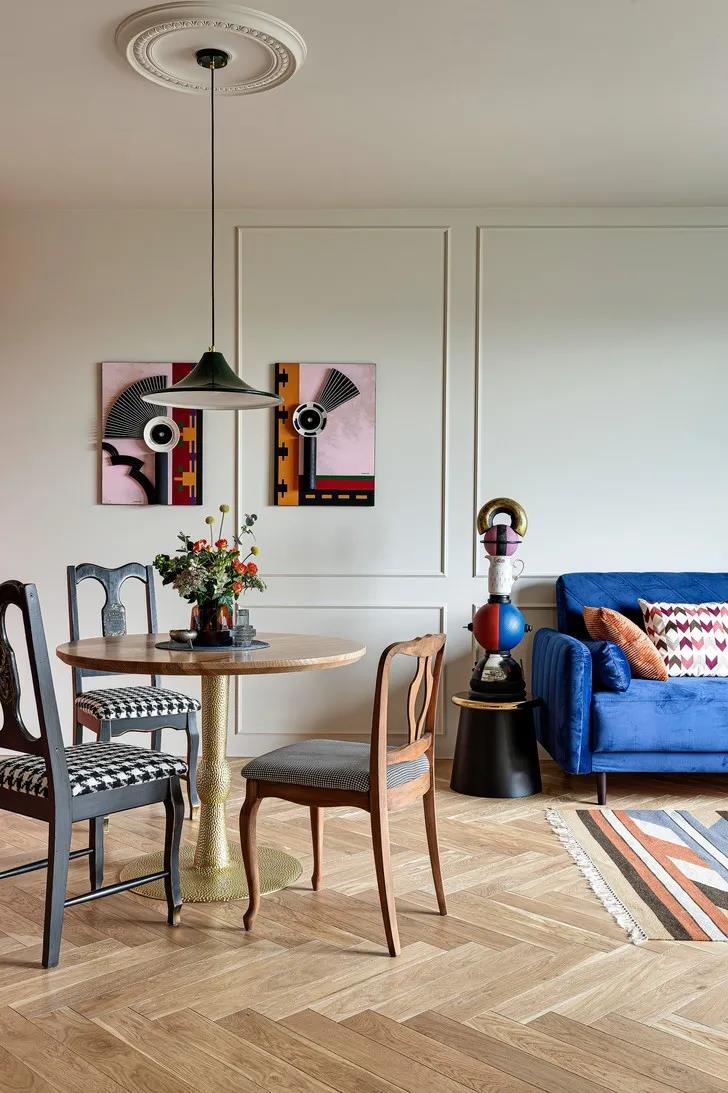
*****
What we can do?
Art Consultancy & Artwork Factory
SOA Arts, an art consultancy & artwork factory that served many interior designers and art dealers, has accumulated a wealth of experience in the art decor industry. For the interior designer, whether you are looking for ready-made artworks or customized artworks, we can meet all your needs. Moreover, we can also offer professional art solutions according to your project. For the hotel, we recommend different areas match with different artworks; for example, lobby with stunning and eye-catching artworks, room with warm and relaxing artworks. All in all, whatever your project is, we can provide corresponding art solutions.-End-
-
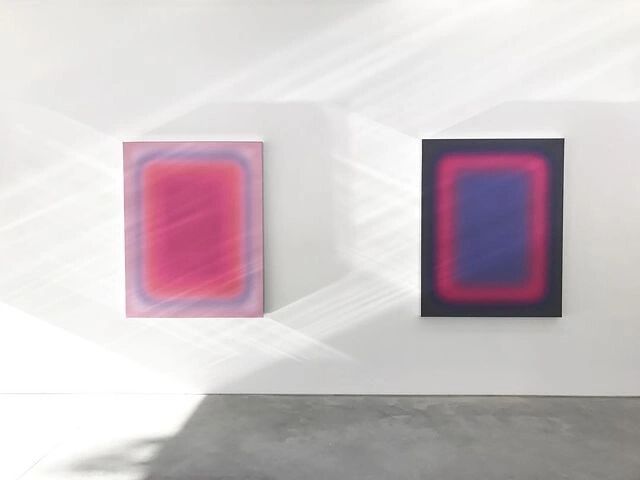
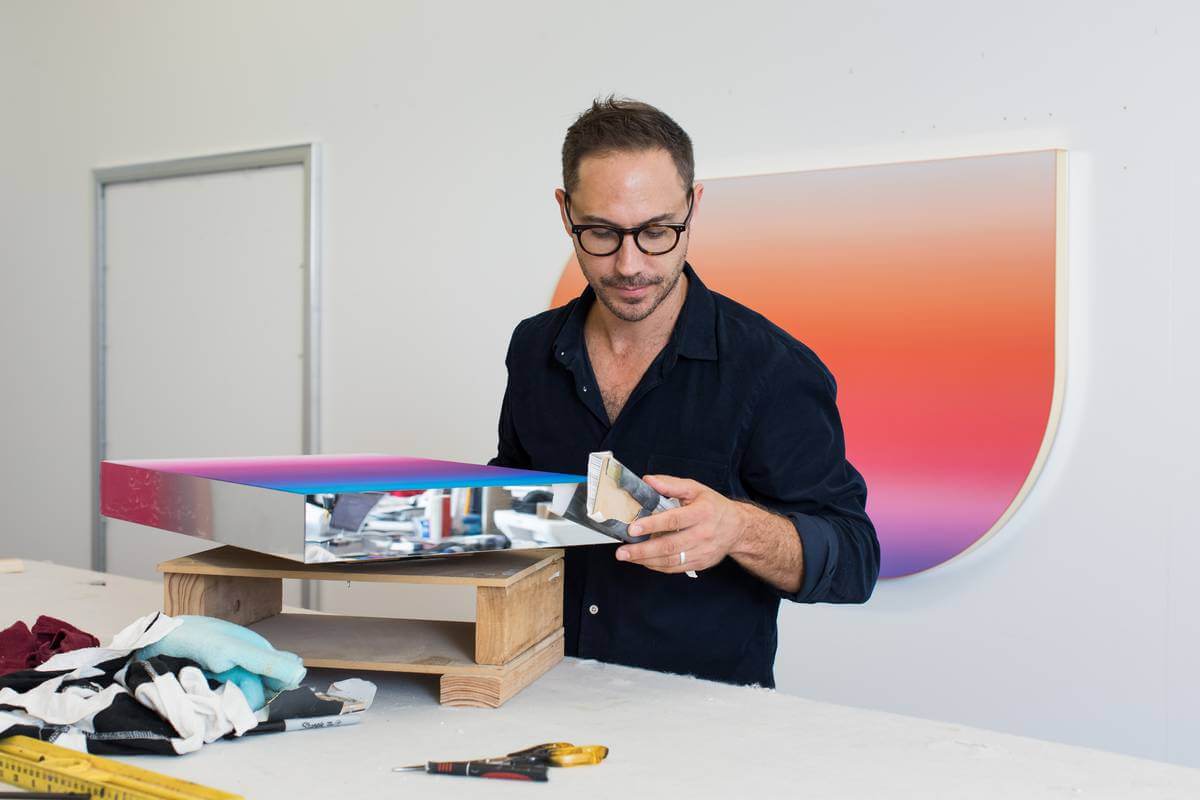
Jonny Niesche
Unlike many of his colleagues, Jonny Niesche never dreamed of becoming an artist. Nor did he imagine that he would one day become one of the most celebrated figures in the art world.
“I arrived very late to the game,” he explained. “I was living in New York and playing in hardcore bands, making experimental music until I was 30. Then, I came back to Sydney, unsure of what to do next. I renovated my parents’ house to help them sell it – once sold; I did a painting off the cuff on the ‘for sale’ sign. That was it for me. I was hooked. Two years later, I enrolled at art school as a mature student.”
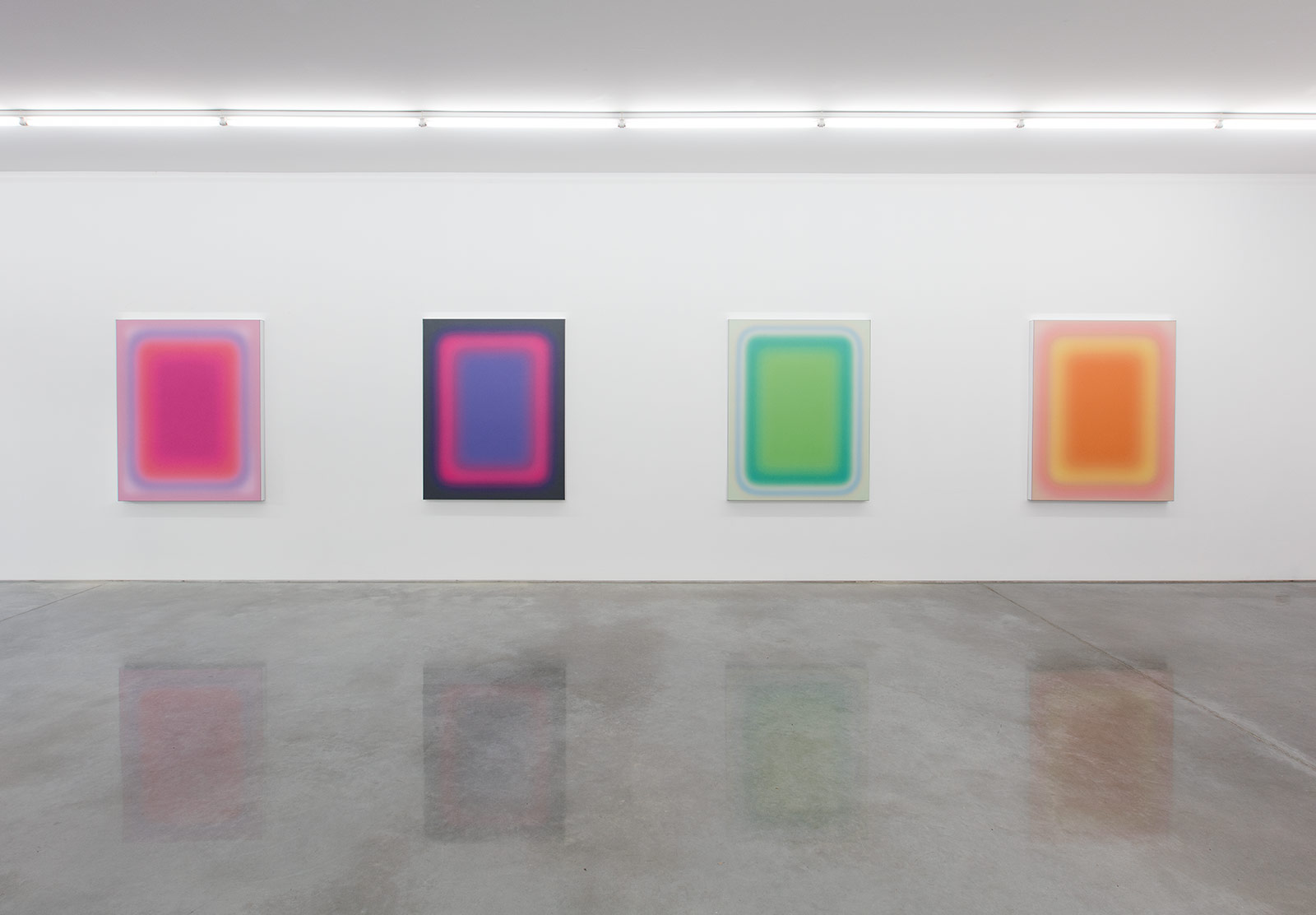
'Love-light' installation view at Sarah Cottier Gallery 2017 Photo: Ashley Barber.
In 2008, Niesche graduated from Sydney University with a degree in Visual Arts. He went on to study under the renowned artist Heimo Zobernig at the Academy of Fine Arts in Vienna before returning to his native Australia to complete his Master’s.
Since then, Niesche has been making waves in the art world, with countless museums clamoring for a chance to exhibit his sculptures, paintings, and abstractions. His work has been displayed at the König Galerie in Berlin, the National Gallery of Victoria in Melbourne, and The Flat - Massimo Carasi in Milan, just to name a few of them.
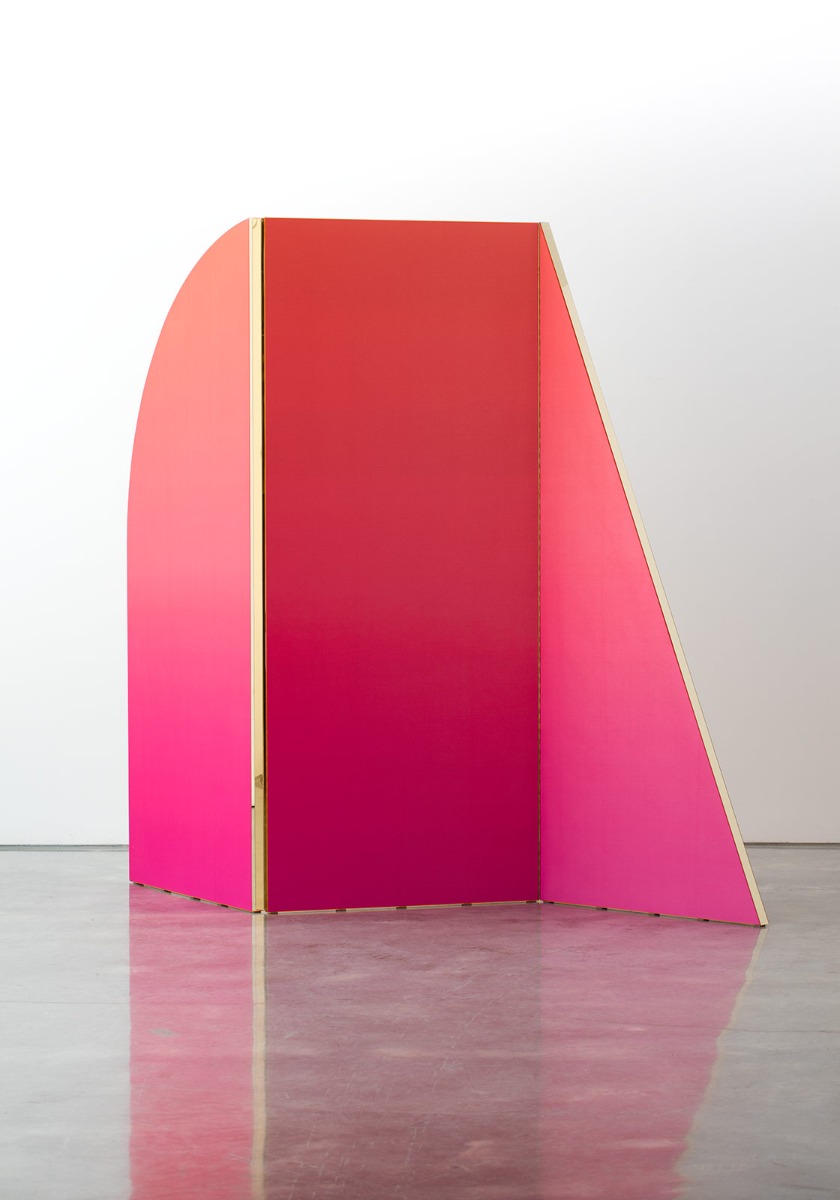
'En dehors (scarlet to choral), 2018. Photo: Ashley Barber.
While Niesche is best known for his breathtaking abstractions and contemporary art installations, his first few years in the art world were spent creating realistic paintings – a far cry from the neon-hued chromatic fields that has made him famous across the globe.
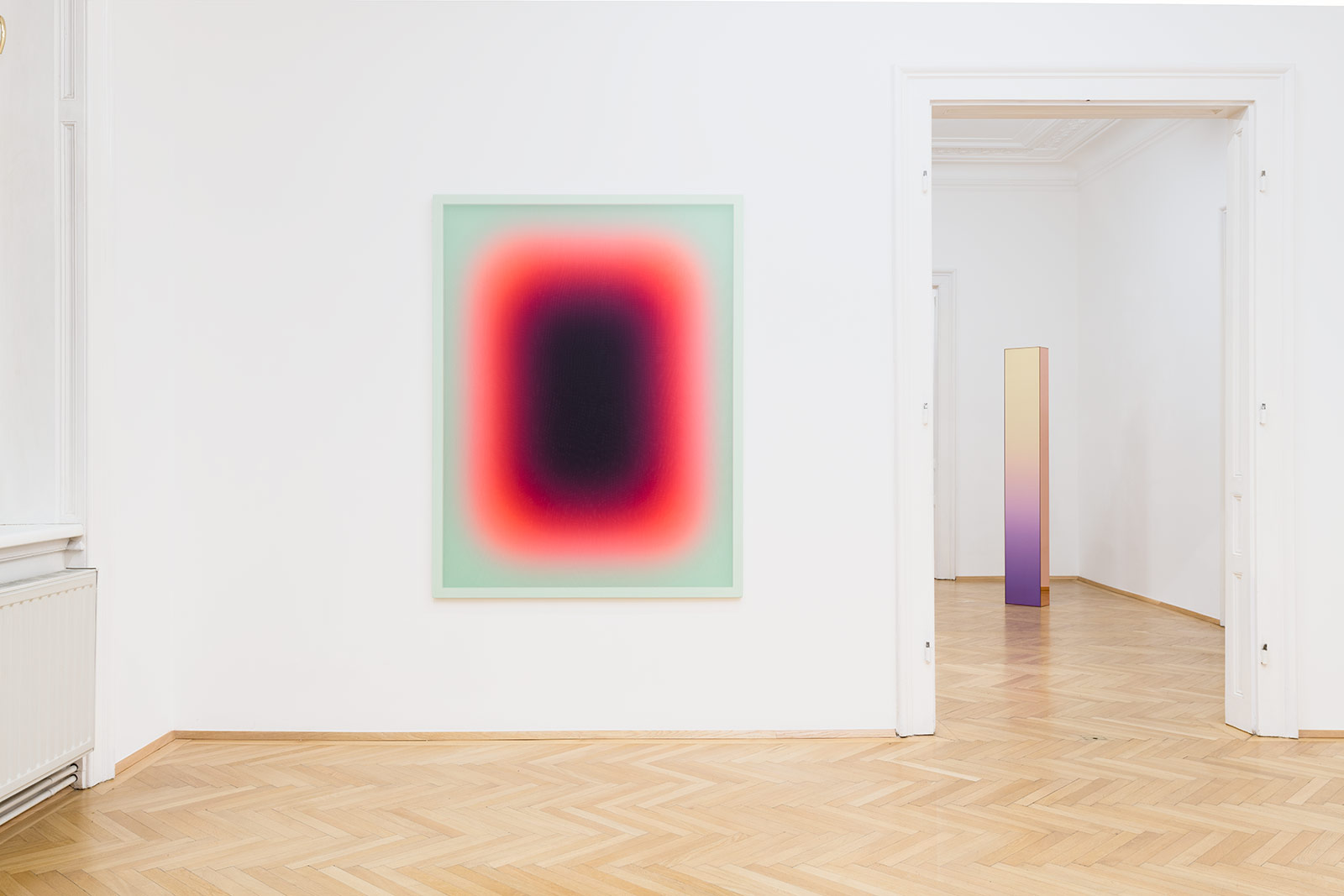
Installation view of 'throb' at Zeller Vam Almsick 2018.Photo: Peter Mochi.
“I was at a point when I was painting very realistically and the work itself was becoming too tight and closed-off. I tried using syringes and odd instruments to paint with, but this was only satisfying to an extent,” said Niesche in a recent interview. “I found that the more I emptied out figuration, the more possibilities there were. By reducing the work to color, form, material, and surface, and by limiting your choices, actually makes you focus on very specific elements and opens up new ideas and ways of thinking about making.”
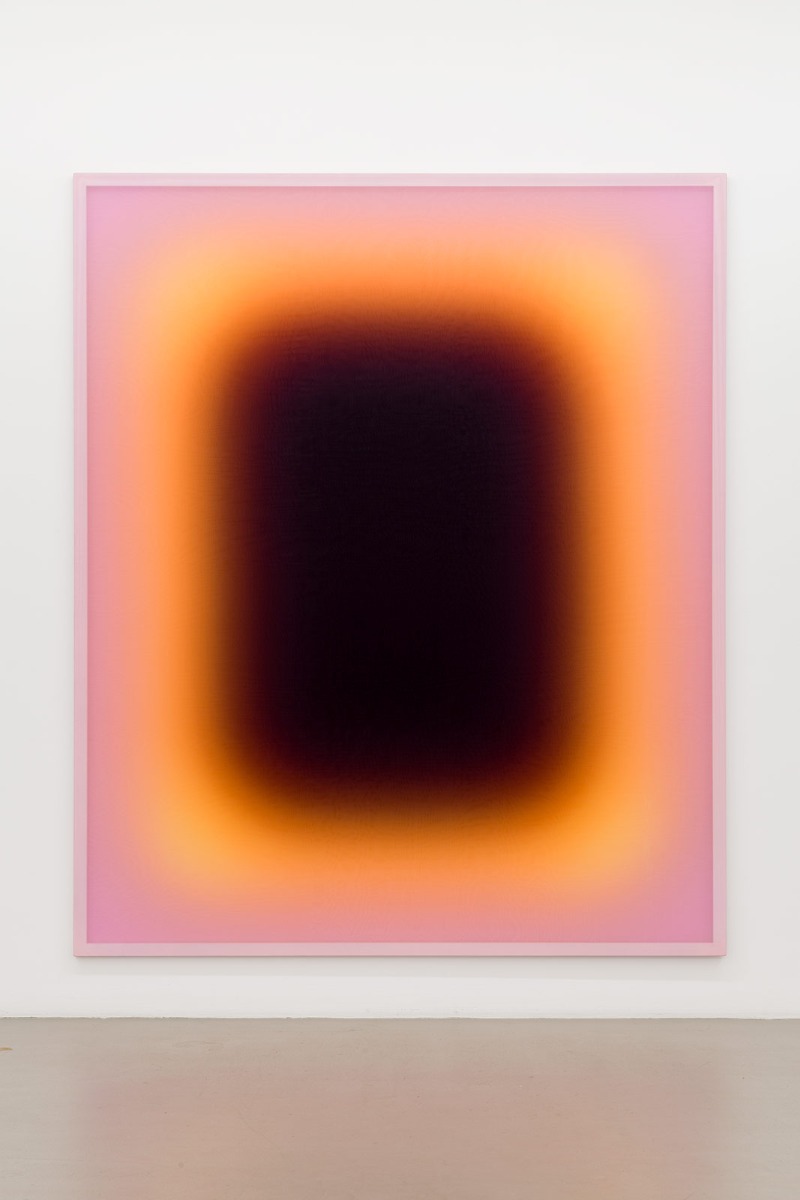
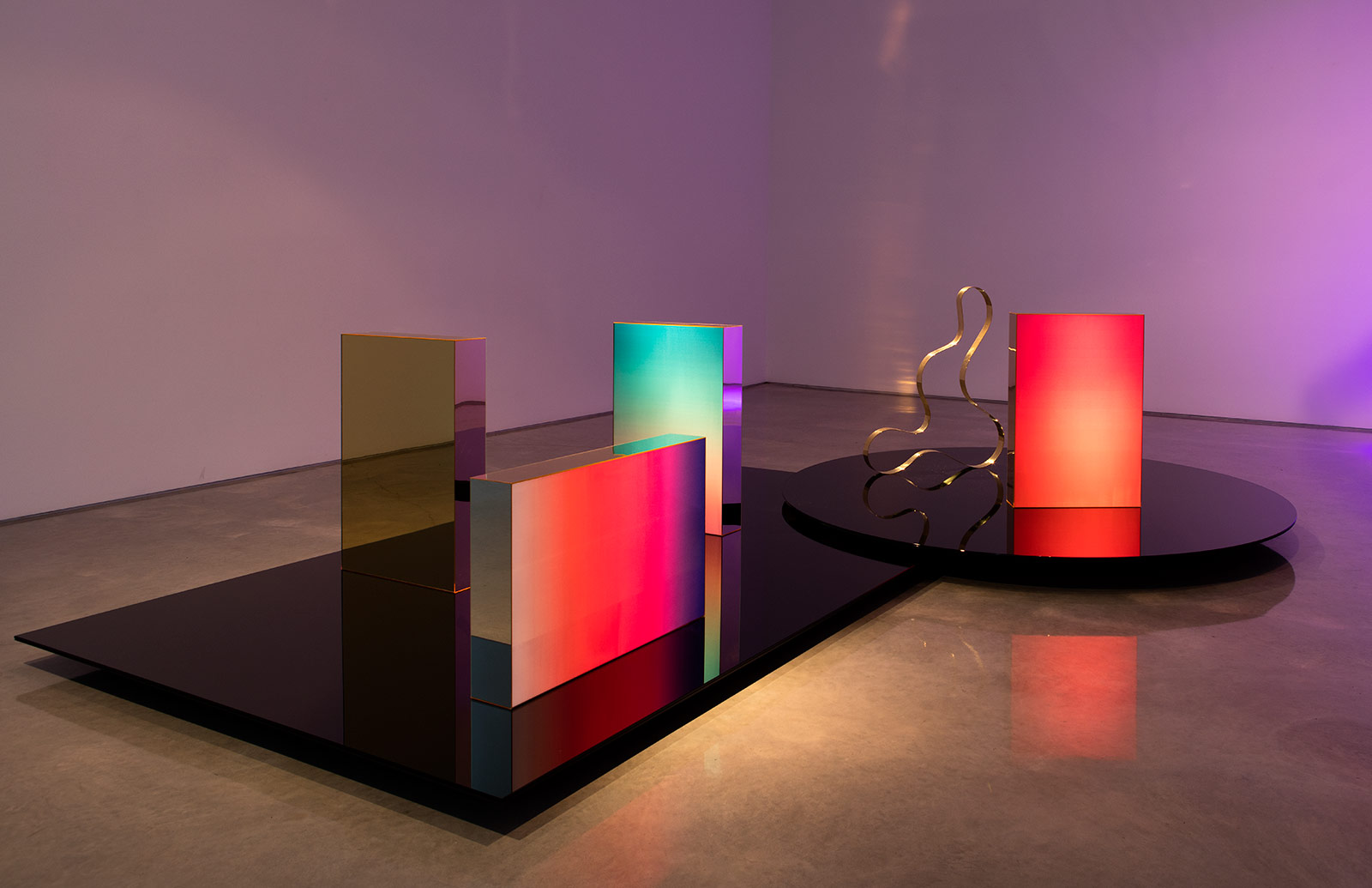
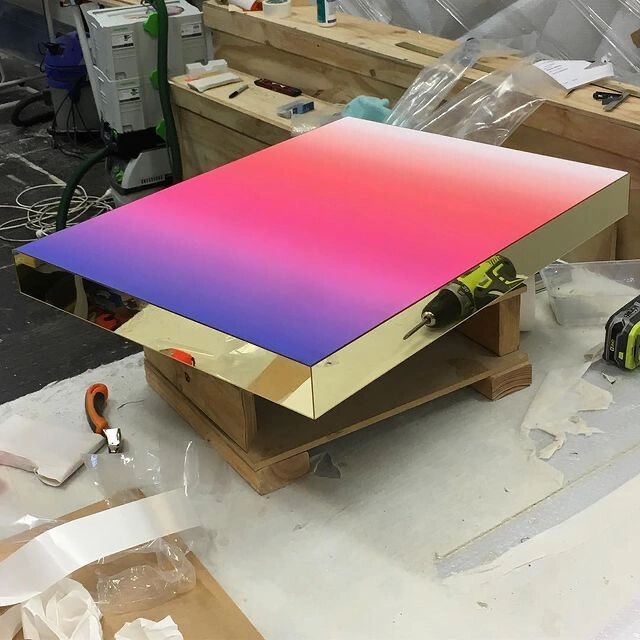
This realization led Niesche to create pieces that challenge the perception of those viewing it. To do so, he makes use of a wide range of materials, including transparent fabrics, acrylic mirrors, steel, and brass.
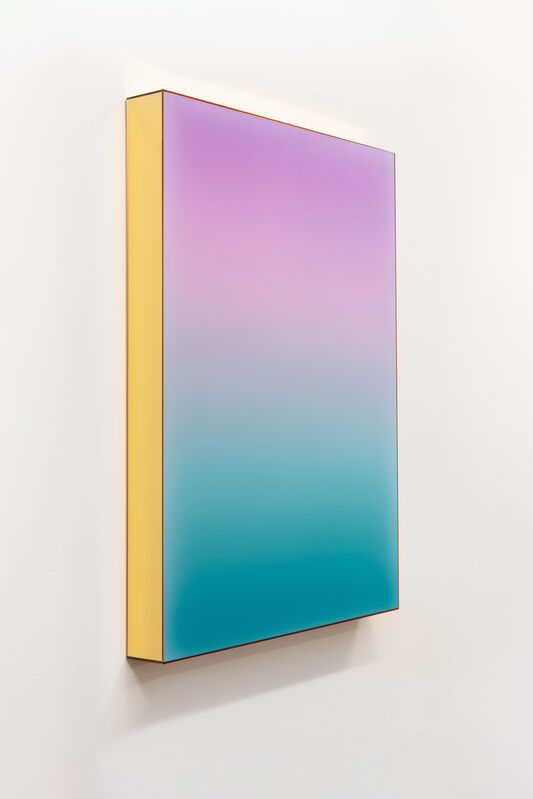
Hotsource Haze (cool study), 2021
Voile fabric, MDF and acrylic mirror29 93/100 × 66 93/100 in76 × 170 cm“It got me thinking: ‘How can I get beyond the flat plane of a painting and make it more performative and ever-changing, to renew the experience every time one looks at it,” he said. “I concluded, if a painting doesn’t do that, it is not mine.”
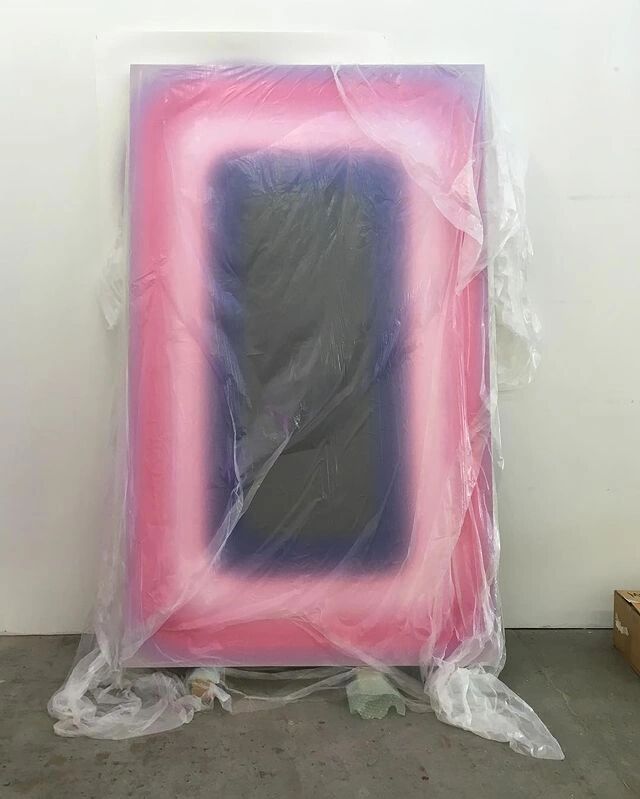
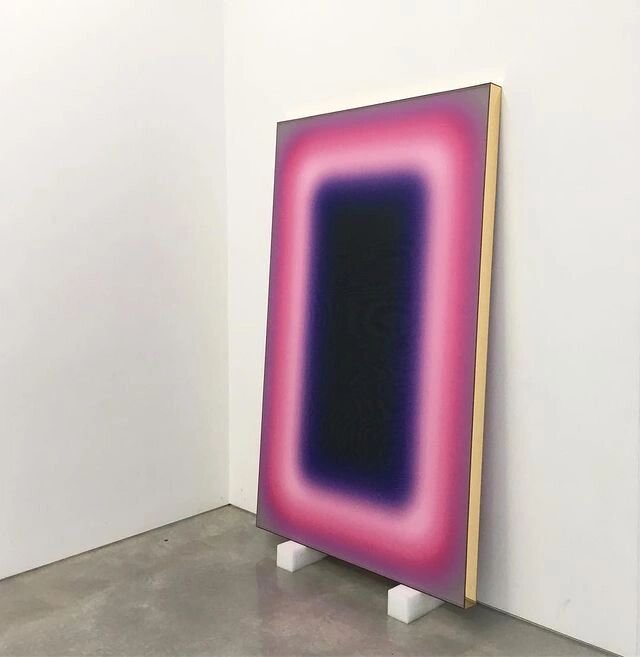
These criteria have led Niesche to create neon-hued chromatic fields that are simultaneously both painting and sculpture. His pieces are simply phenomenal, nothing like the art world has ever seen before.

“Working across an expanded field of painting, sculpture, and abstraction, Jonny Niesche’s vividly colored work wraps the viewer in total sensory stimulation,” wrote Starkwhite, an art gallery in Auckland, New Zealand. “The seductive, iridescent surfaces of his paintings hum and shimmer with pigment, color that seems to float slightly above the voile surface. The effect is intensified by the indistinct edges between bands of color that surround the dark middle ground.”
It adds, “As one tone blurs and dissolves into the next, a silky insubstantiality of pure color and sensation emerges.”
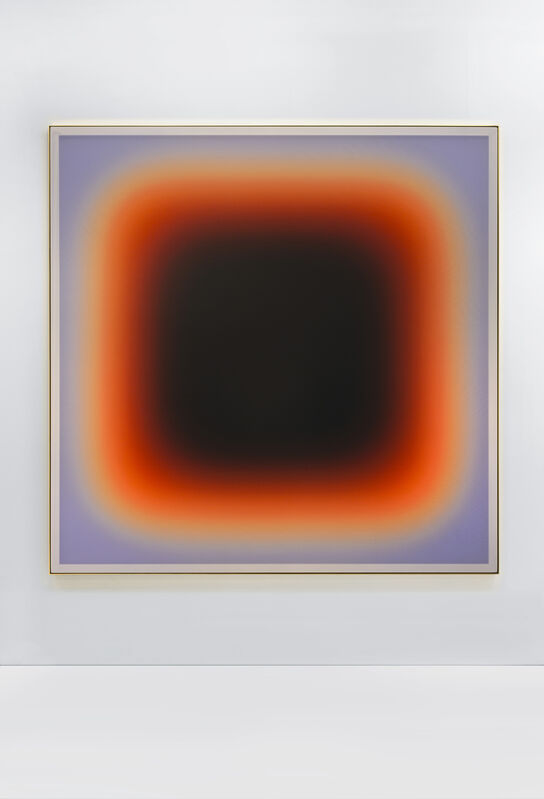
Starman Figurine From The Motion Picture, 2021
Voile, powder coated aluminum, mirror polished brass81 1/2 × 81 1/2 in207 × 207 cmNiesche’s one-of-a-kind pieces are influenced by many things, such as popular culture, twentieth-century art, and David Bowie. Interestingly enough, he also takes inspiration from childhood trips to David Jones, an Australian department store.
“To me, this was an all-encompassing experience of incredible color palettes of eyeshadows, the smell of perfumes, and all the seductive and reflective smoky mirrored surfaces of the late 1970s,” he shared.
'Where to sould and the world commingle', 2018 in Moving Picture at STation Gallery. Photo: Christo Crocker.
While many of Niesche’s contemporary art installations are currently held in exhibits and private collections, a few have been used as hotel decorations. For instance, Next Hotel Melbourne in Australia is one of his most avid clients.
“As part of curating a dynamic and engaging collection of artworks by Australian artists to feature throughout the new hotel, Niesche created a suite of pieces to hang in each of the guest rooms,” said Next Hotel Melbourne. “His signature minimalist works with abstract color bring an unexpected touch to the Next rooms and suites, complementing the other considered details and residential feel of the interiors.”
'but still I wait' collaboration with Brendan Van Hek at Sarah Cottier Gallery in Chrom, 2018. Photo: Ashley Barber.
Several of Niesche’s contemporary art installations also hang in The Club, a sophisticated retreat exclusive to guests of Next Hotel Melbourne. His 3D wall art livens up the space, adding to its Manhattan loft-style atmosphere.
With other high-end clients besides Next Hotel Melbourne, it’s clear that Jonny Niesche is taking the art world by storm, one abstraction piece at a time.
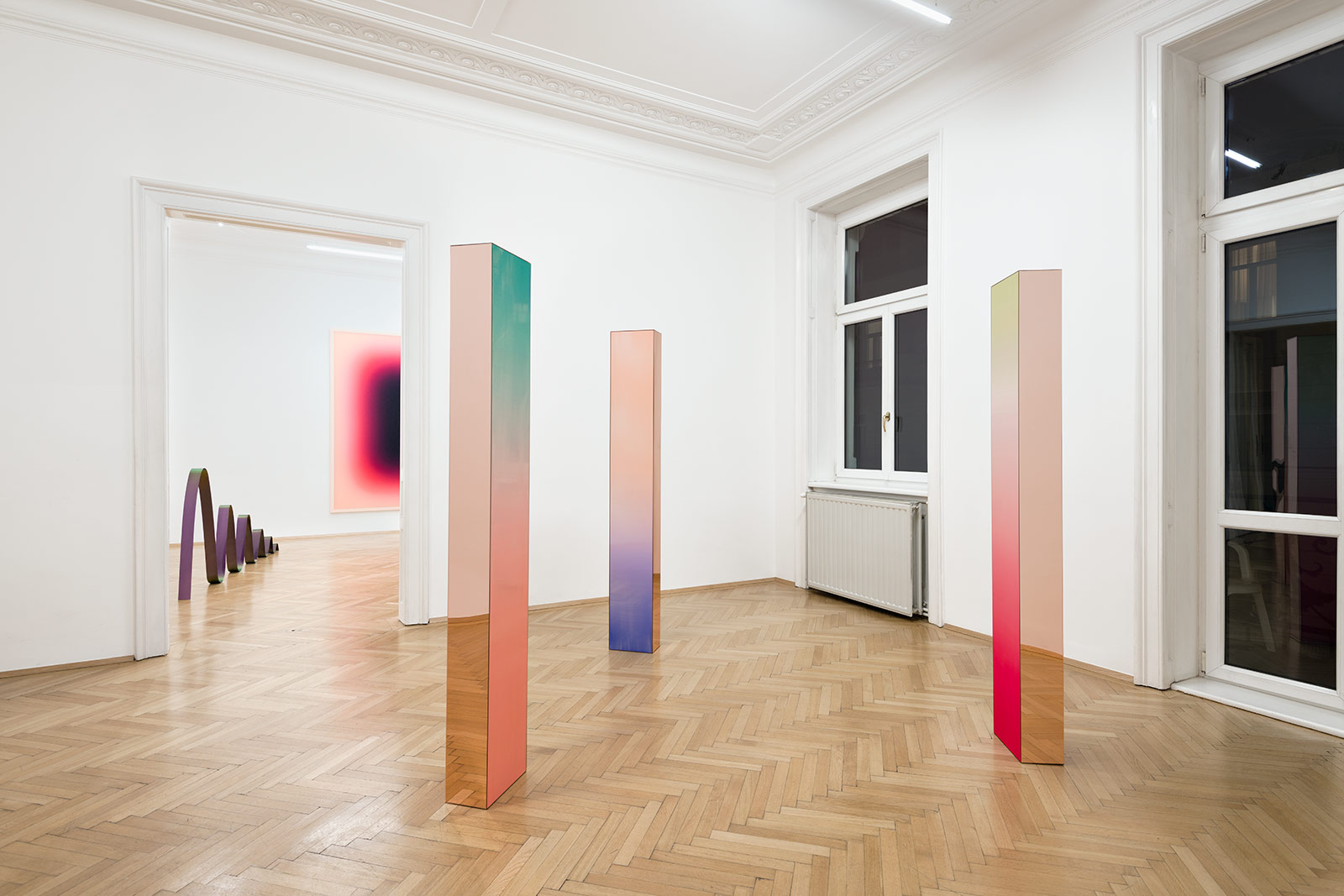
Installation view of 'throb' at Zeller Van Almsick, 2018. Photo: Peter Mochi. Credit to Jonny Niesche.
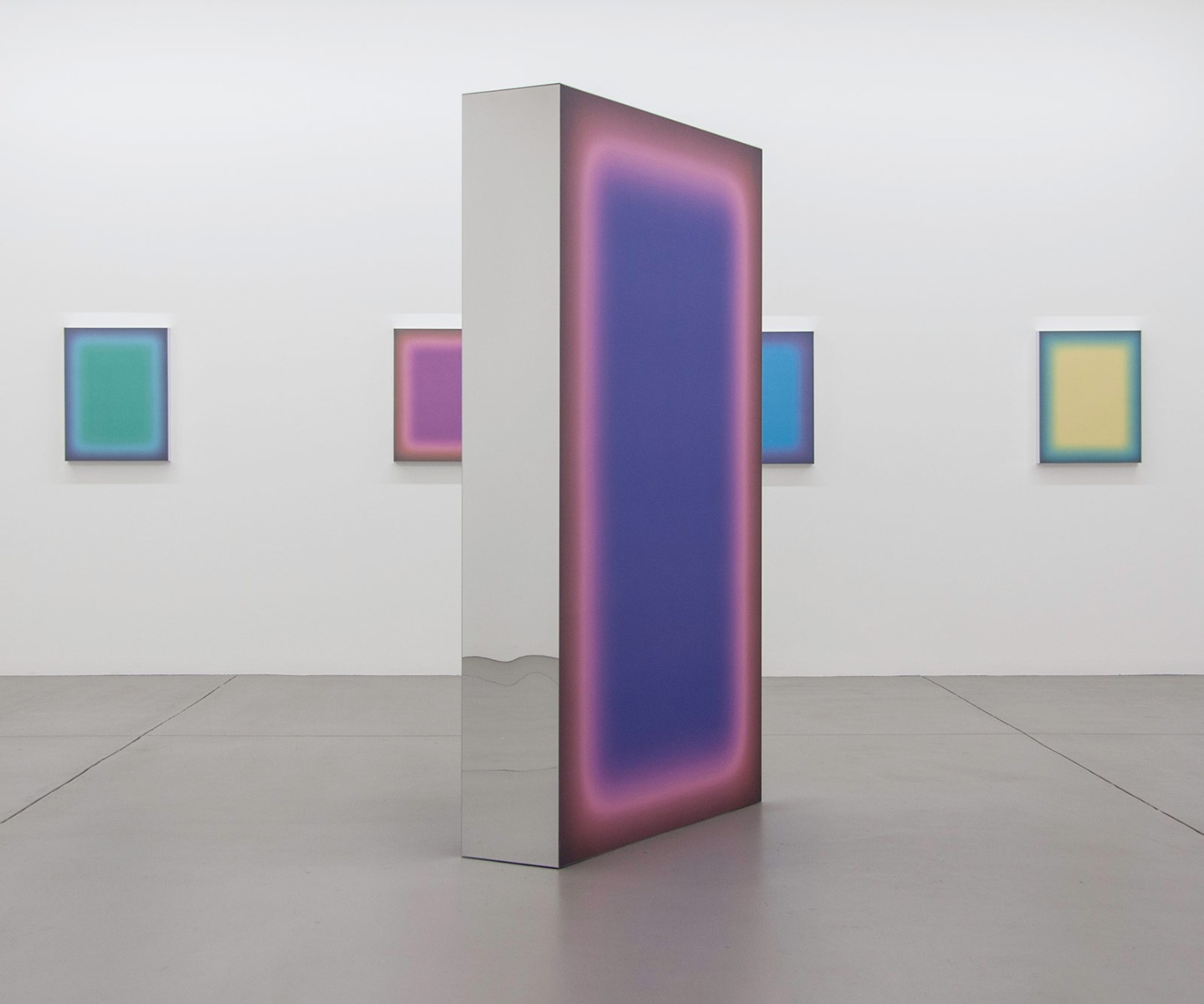
'Picture this' Installation view at Station Gallery 2016. Photo: Jack Willet. Credit to Jonny Niesche.
Want to sell your artwork? We do the work for you.
SOA Arts Can Provide Artwork Printing and Reproducing Service for You.

All images Credit to Jonny Niesche.
-End-
-
 27 Jan
Credit to: Cynthia Chavez Lamar. Photo by Walt Lamar
Last January 19, the Smithsonian Institution announced that it had appointed Cynthia Chavez Lamar to become director of the National Museum of the American Indian, which is home to one of the largest collections of Native and Indigenous items in the world. Its exhibits are spread across three different facilities: New York, Washington, D.C., and Suitland, Maryland.
Currently the Acting Associate Director for Collections and Operations, Chavez Lamar is set to become the first Native American woman to serve as the museum’s director when she takes over the role on February 14.
“Dr. Chavez Lamar is at the forefront of a growing wave of Native American career museum professionals,” said Lonnie Bunch, the secretary of the Smithsonian Institute. “They have played an important role in changing how museums think about their obligations to Native communities and to all communities.”
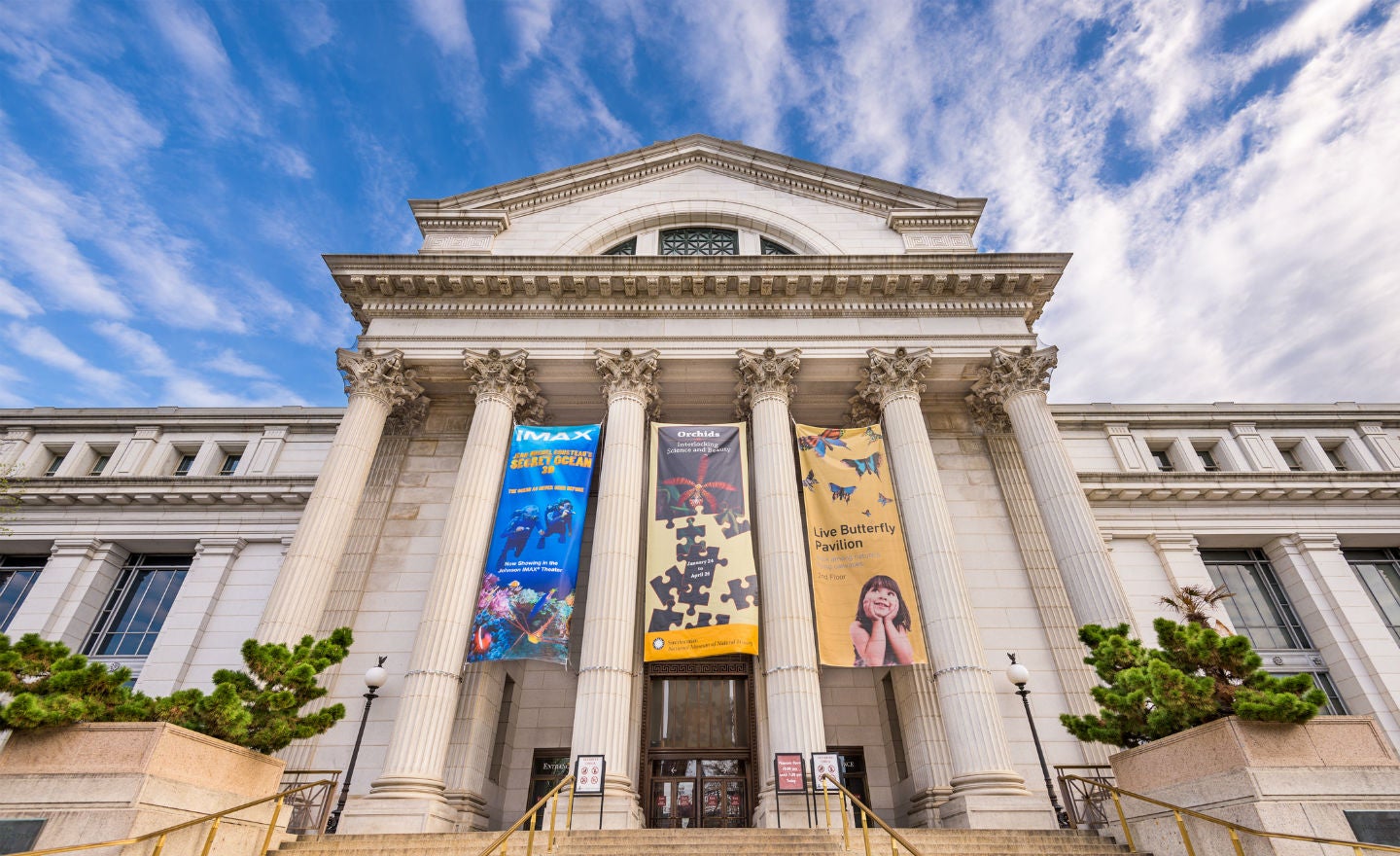
Smithsonian Museum © iStock
An enrolled member at San Felipe Pueblo, Chavez Lamar’s maternal ancestry boasts Hopi, Tewa, and Navajo. She will be the third director of the National Museum of the American Indian, succeeding Kevin Gover, a citizen of the Pawnee Tribe, whose tenure spanned from 2007 to 2021. He, in turn, was preceded by W. Richard West Jr., a Southern Cheyenne who became the museum’s founding director in 1990.
“I am excited to begin my tenure as the director of the National Museum of the American Indian,” said Chavez Lamar in a statement. “I am looking forward to leading and working with the museum’s experienced and dedicated staff. Together, we will leverage the museum’s reputation to support shared initiatives with partners in the U.S. and around the world to amplify Indigenous knowledge and perspectives all in the interest of further informing the American public and international audiences of the beauty, tenacity, and richness of Indigenous cultures, arts, and histories.”
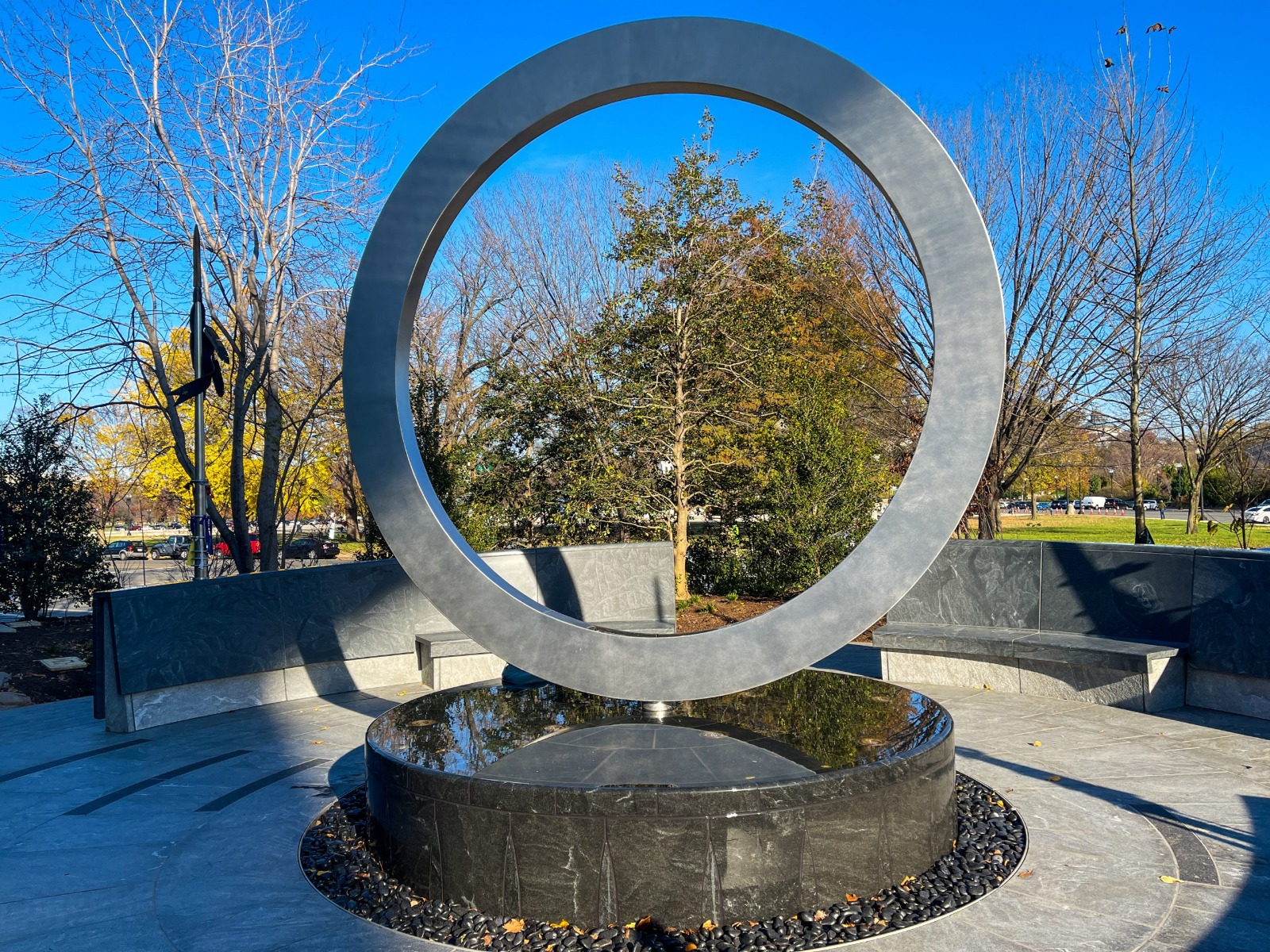
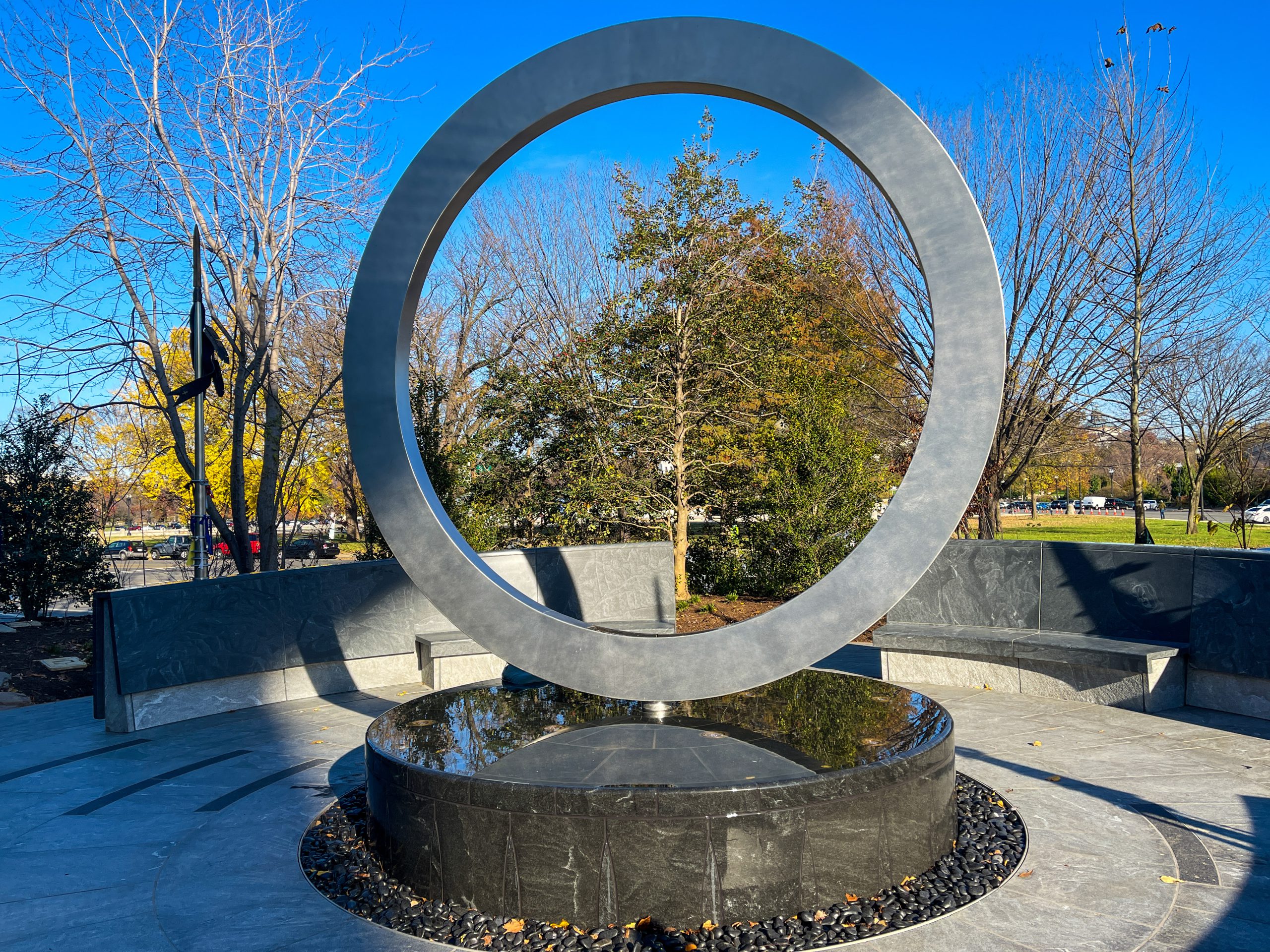
The National Native American Veterans Memorial is located at the National Museum of the American Indian in Washington, D.C. Photo by Indianz.Com
Chavez Lamar is known for her long and colorful career, having earned a bachelor’s degree from Colorado College in studio art, a master’s degree in American Indian studies from the University of California in Los Angeles, and a doctorate in American Studies from the University of New Mexico.
From 2000 to 2005, Chavez Lamar served as an associate curator at the National Museum of the American Indian, where she handled “Our Lives,” an inaugural exhibition that was made possible with the help of eight Native communities.
In 2006, she became the director of the Indian Pueblo Cultural Center in Albuquerque, New Mexico – a position that she held until the following year.
Chavez Lamar also served as director of the Indian Arts Research Center at the School for Advanced Research in Santa Fe, New Mexico, from 2007 to 2014. There, she developed institutional projects and programs to help raise awareness for the 12,000-object collection.
From there, Chavez Lamar became the assistant director for collections at the National Museum of the American Indian.

Credit to: naturalhistory.si.edu
“In this role, she guided the overall stewardship of the museum’s collection, which is one of the largest and most extensive collections of Native and Indigenous items in the world,” said the Smithsonian Institute in its announcement. “Chavez Lamar led museum efforts to improve collection access and availability by advocating for and encouraging an increase in the number of collections online. She supported the development of a collection-information system module to record access, care, and handling instructions provided by tribal, nation, and community representatives.”
The Smithsonian Institute added, “Chavez Lamar also established and prioritized partnerships and collaborations with Native nations and tribes, and developed a loan program for tribal museum and cultural centers that provides training and technical assistance to enhance [the] collection’s stewardship and reconnects descendant communities with the museum’s collections.”
Besides her contributions to museums, Chavez Lamar is also an author and scholar, whose research mainly focuses on Southwest Native art. In her new role, she will be overseeing three different facilities: the George Gustav Heye Center in Lower Manhattan, the Cultural Resources Center in Suitland, Maryland, and the National Museum of the American Indian on the National Mall in Washington, D.C.
The art world has welcomed the news of Chavez Lamar’s appointment, noting that she joins a growing list of Native Americans working as museum professionals.
It includes Patricia Marroquin Norby (Purépecha), who, in 2020, became the first-ever full-time curator of Native American art at the Metropolitan Museum of Art in New York City. There is also Danyelle Means (Oglala Lakota), who was recently named director of the Center for Contemporary Arts in Santa Fe.
-End-
-
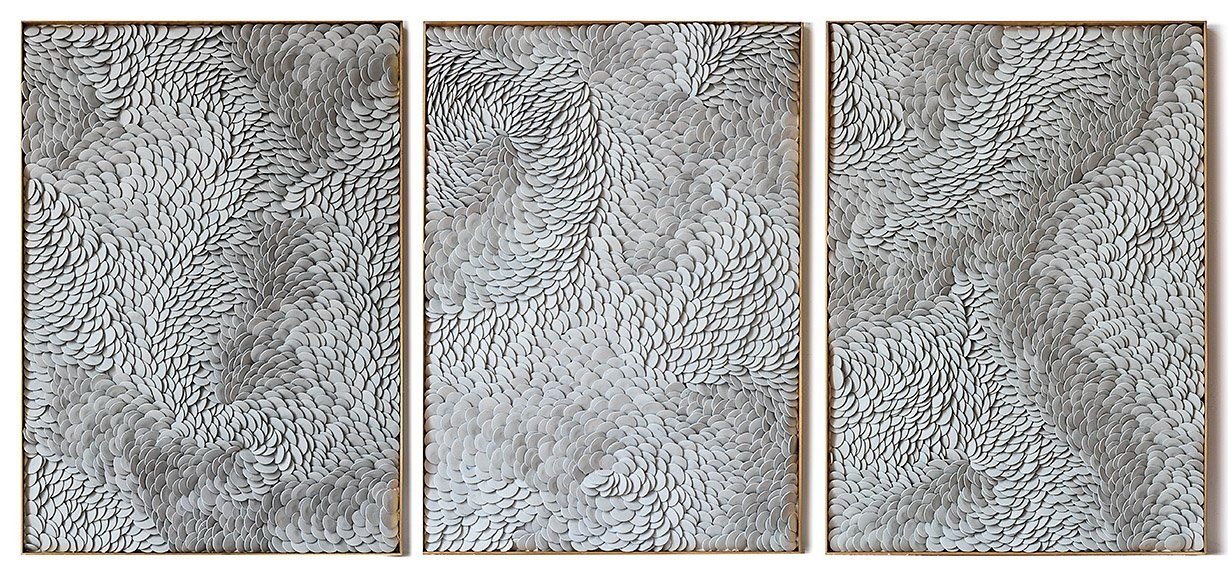
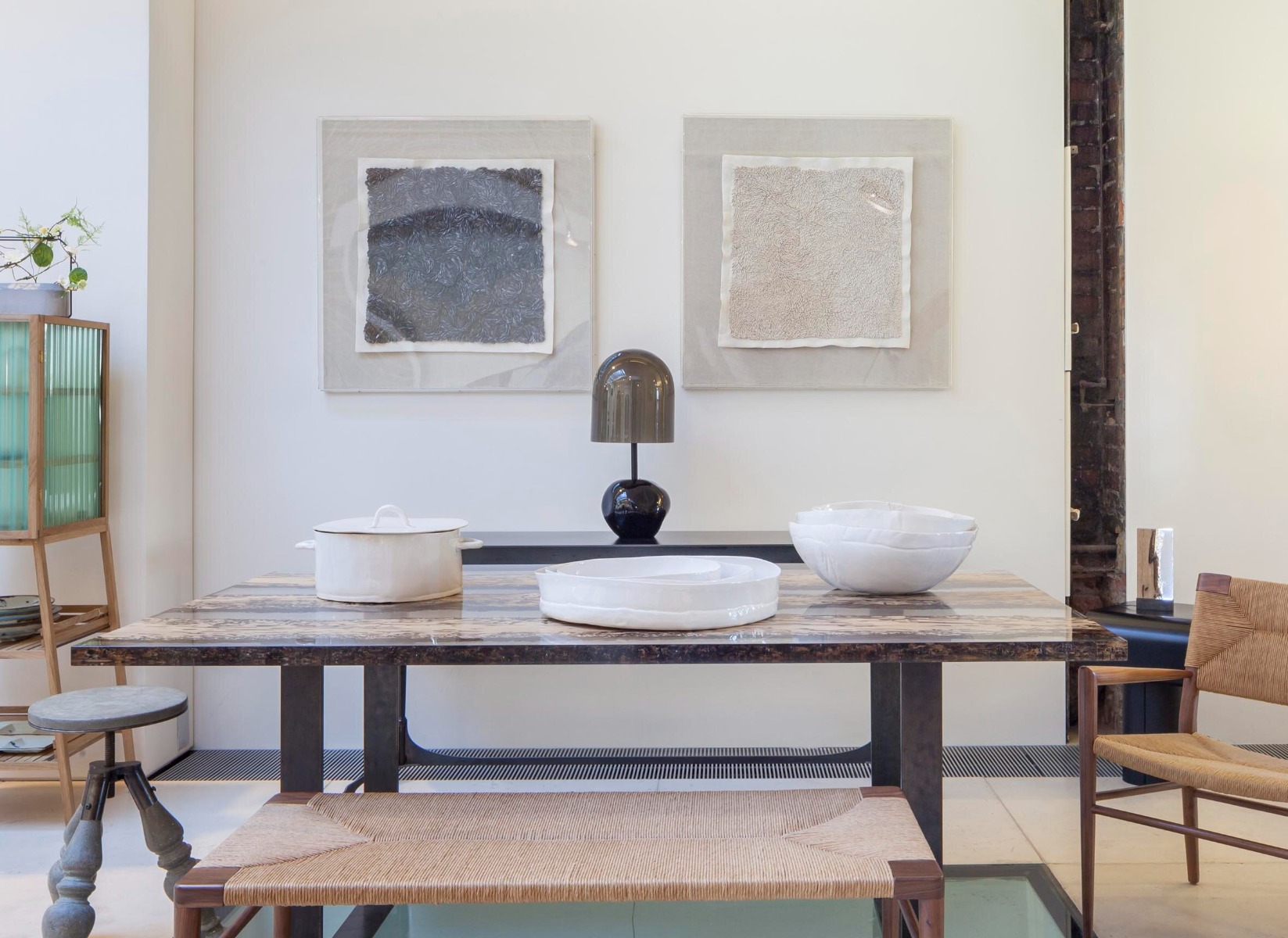
All Source and Credit: Fenella Elms
At SOA Arts, we’re committed to staying as up-to-date as possible with what’s going on in the art world. This means we learn about noteworthy artists nearly every day. You’d think at this point that nothing would surprise us anymore. On the contrary, even we were blown away by Fenella Elms.
The ceramic work and staggeringly beautiful designs of this Wiltshire-based artist are some of the best we’ve ever seen. If you’re interested in ceramics or interior design, this is most certainly one to watch.
About Fenella Elms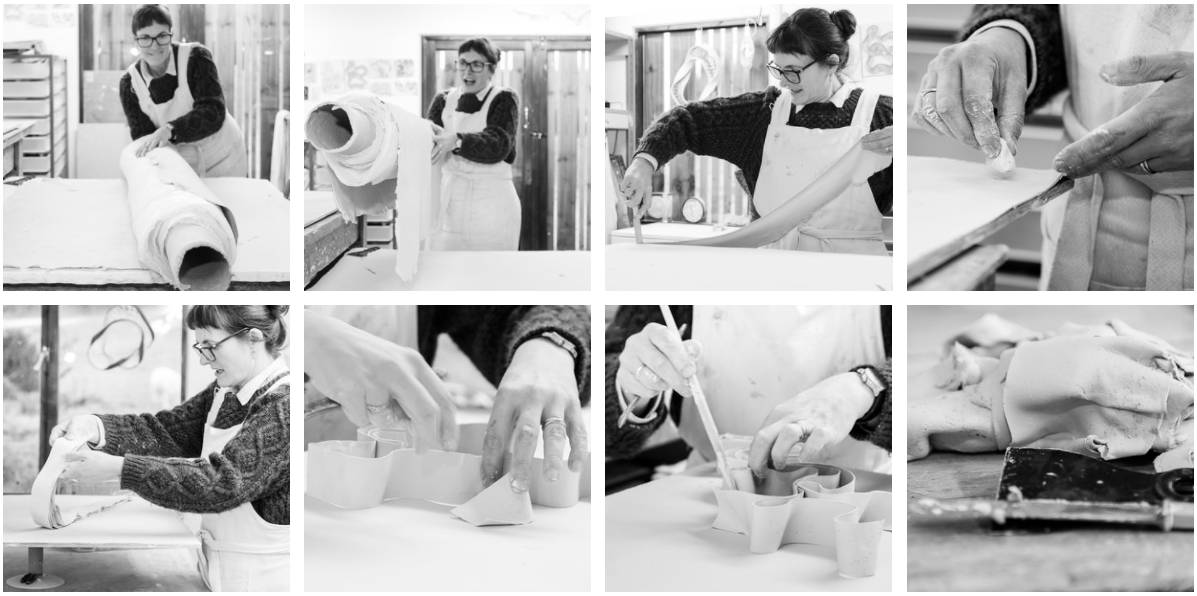
Fenella Elms creates ceramic installations, clay sculptures, and porcelain creations that turn heads wherever they’re installed.She now works out of a fabulous, fit-for-purpose studio in Wiltshire, England, but it hasn’t always been this way. The artist first discovered her love for clay work in 1981 during a school trip and knew at this moment that it was worth pursuing.
Countless workshops and college training courses later, Elms is now a constant source of innovation and inspiration for ceramics, sculpture, and design in the UK and beyond.
The artist’s creative process does not focus exclusively on how the final product will look. Rather, “movement, growth, structure and interaction” are all taken into account. The flutter of a bee’s wing, the sway of flowers in the breeze, these are the starting points of Elms’ work.
Wall-Mounted Masterpieces
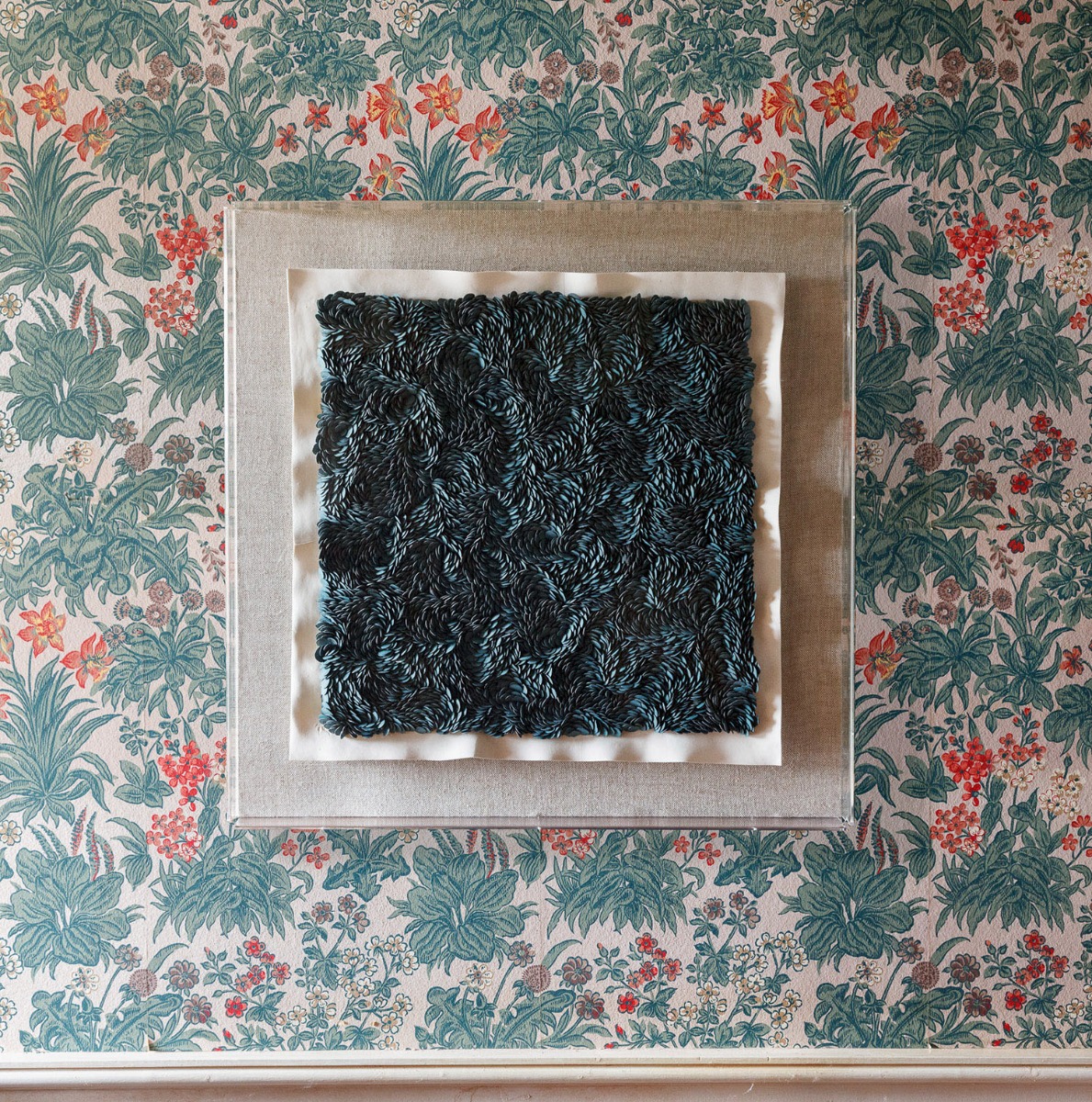
The wall-mounted ceramic artworks by this artist look incredible in basically any interior space. Their virtues are especially noticeable in the presence of natural light. When sunlight dances on the surface of these structures, their beauty is impossible to deny.They use porcelain/ clay materials in dazzling arrangements and are worth every single penny in our opinion.
Free Standing Sensations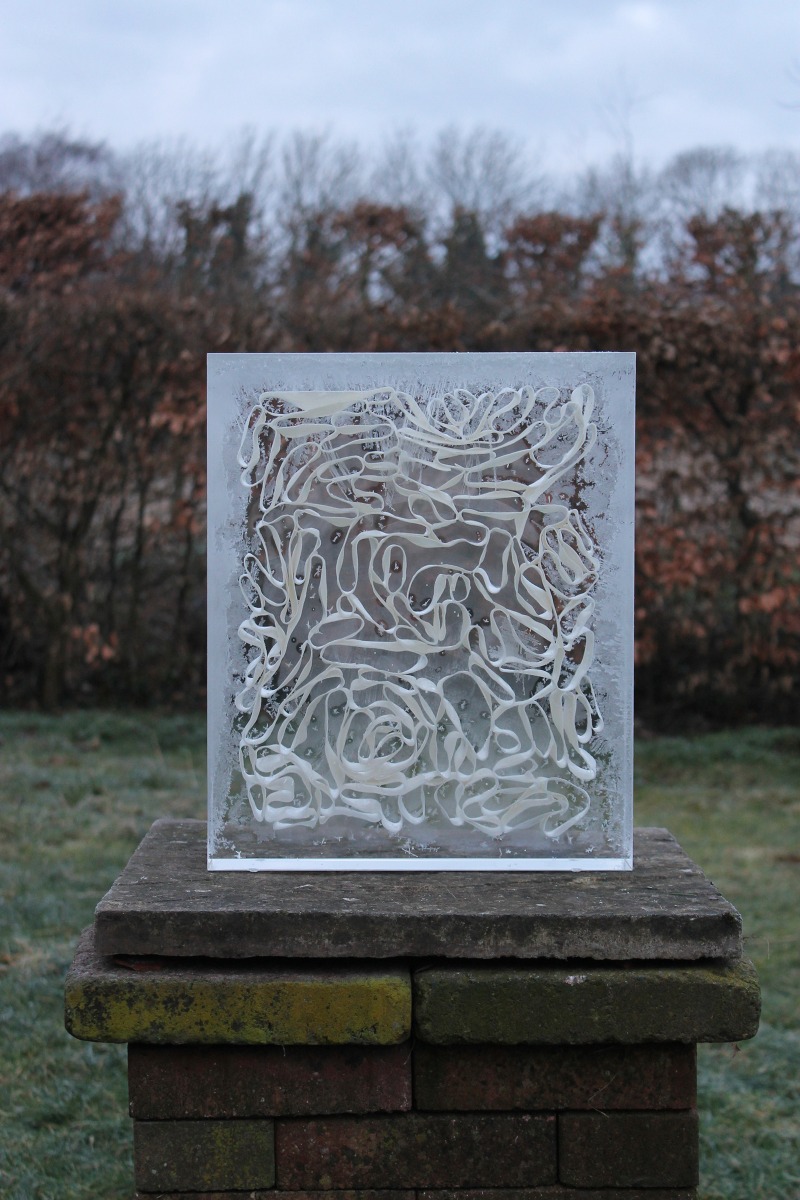
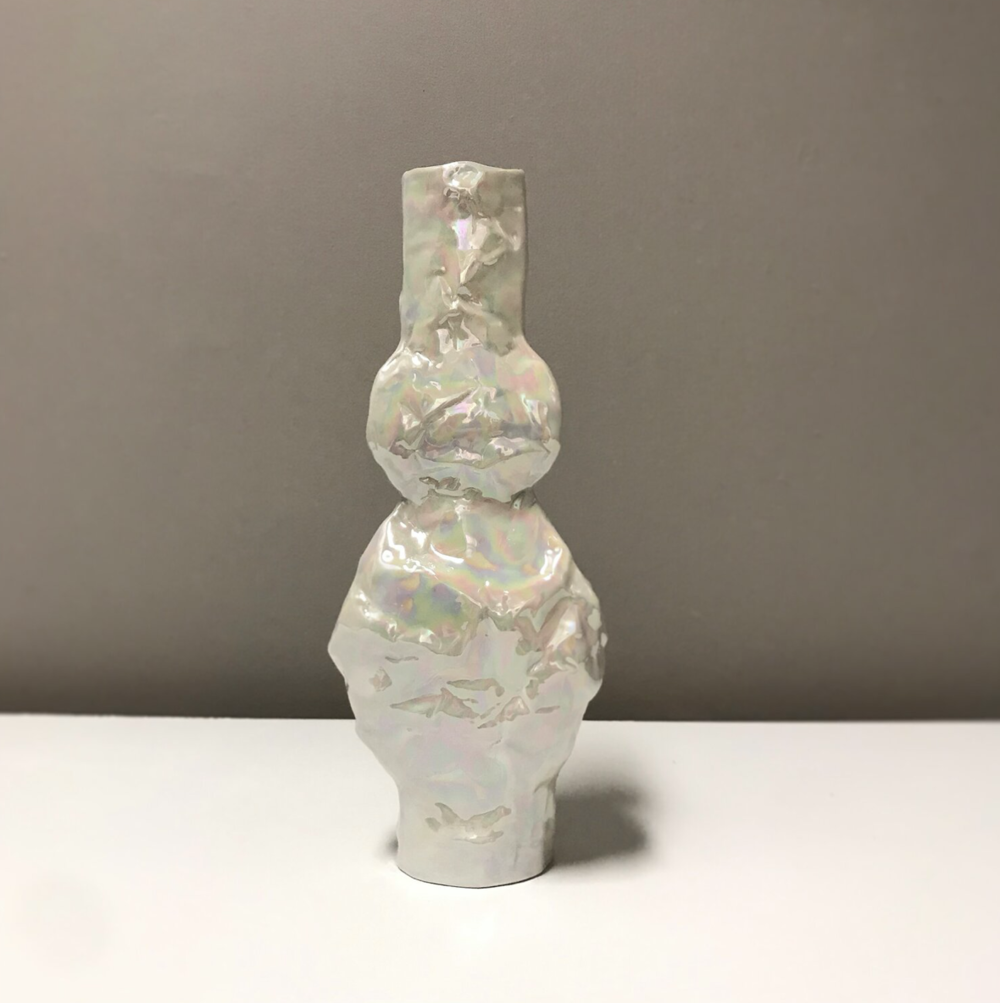
These free-standing artworks have an otherworldly quality to them. Every inch feels intentional and is positively dripping with elegance and style. The forms and lines they employ seem almost impossible at first glance, and yet they’re very authentic.As with the wall-mounted creations described above, the way that light interacts with the surfaces of these artworks is truly remarkable. When positioned strategically within a lobby or similar interior, these pieces could really elevate the design of the entire space.
Ebb – A Contemporary Art Installation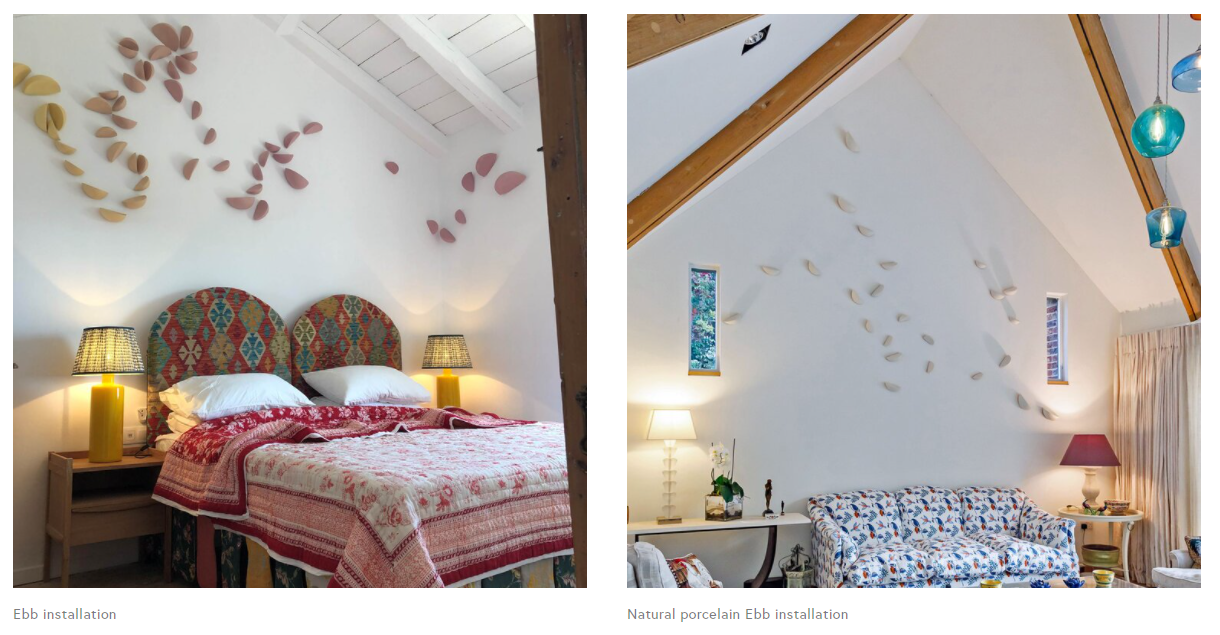
First commissioned by designers in Hong Kong in 2019, Ebb is a two-tone contemporary art installation that engenders a palpable sense of awe and elegance. The contractors,z Venus Assets, wanted to use Fenella Elms’ designs on a feature wall in one of their Chinese restaurants.After a detailed process of planning and painstaking design, Elms created a piece that would spread throughout the restaurant’s seating area for guests to enjoy. The curved, soft lines of each porcelain ‘pod’ interact wonderfully with the available light in the space, casting intriguing shadows and flickering lines.
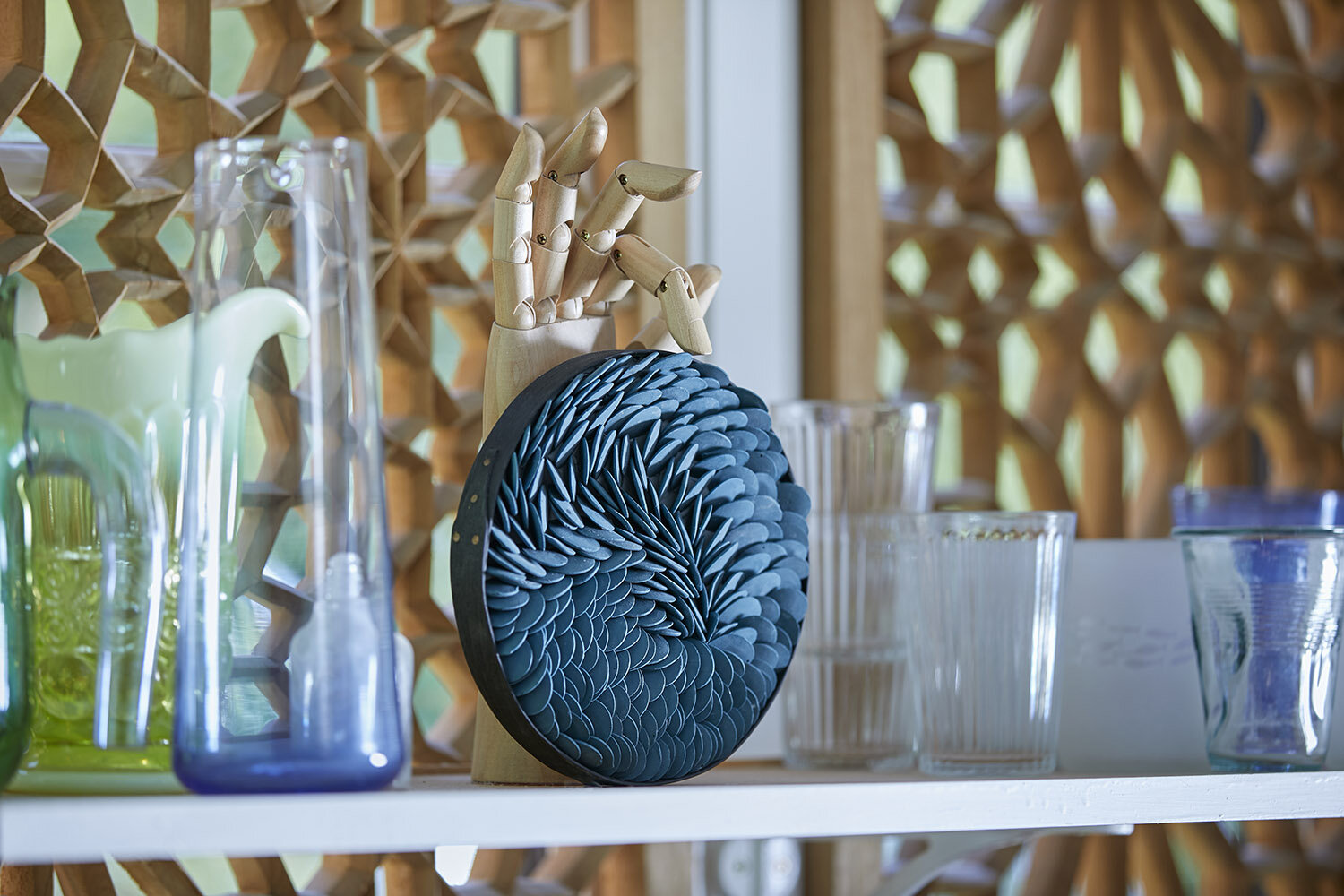
A selection of smaller, carefully curated works can usually be bought via the link above. Unfortunately, the artist’s playfully named ‘shop window’ is currently closed. Want to be the first to know about new releases and the store’s eventual reopening?
Sign up to their mailing list for regular updates!
SOA Arts – Your Source for Hotel Decoration and More
When it comes to designing the interiors of your hotel, restaurant, or business, we understand that only the best will do. We have over a decade’s experience in curating, commissioning, and sourcing artwork that makes a lasting impression.As a Chinese art factory and interior design specialist, we’ve got everything your property needs to transform its appearance and make the right first impression. Wondering how to get started? Know exactly what you’re looking for?
Get in touch today, and we’ll be happy to help. For all your hotel decoration needs, think SOA Arts.
-End-
Toggle Nav

.JPG)

